Latte has the lightest bitterness among all Italian coffees, and it is relatively easy to drink even without sugar, because a large amount of milk neutralizes the bitterness of the espresso. But once a distinct bitterness is tasted, the problem often lies in the coffee beans: the darker the roast, the more caramelized substances in the beans, and the more prominent the extracted bitterness. To avoid excessive bitterness from the source, when making lattes at home, priority can be given to medium-dark roasted Italian blend beans, so that the ratio and flavor of milk and coffee are more harmonious.

As everyone knows, latte is the least bitter coffee among all Italian coffees (without sugar). Because it adds a large amount of milk to neutralize the bitterness, it is sweeter compared with other coffees. And when we taste a relatively obvious bitterness from a cup of latte, we should first check whether the coffee beans are chosen correctly.
The darker the roast, the more caramelized substances the coffee beans contain, and the more obvious the extracted bitterness. To avoid the problem of heavy bitterness from the source, homemade latte coffee should first choose the medium-dark roasted Qianjie Italian bean series.

If you want to avoid dark-roasted beans that are too bitter and light-roasted beans with obvious acidity, and you are a first-time beginner, buy the medium-roasted Qianjie.Strawberry Candy espresso. This is an Italian recipe launched specifically for friends who like floral and fruity aromas. It combines three major origins: Costa Rica, Colombia, and Ethiopia, with aromas of roses, citrus, grapes, and dried blueberries, and when paired with milk it presents the aroma of strawberry gummy candy.
This is not unreasonable; after all, most of the time, the culprit is the espresso .

But sometimes, a latte tasting obviously bitter is really not the fault of the espresso and extraction! Because some details in the production process also affect the coffee's performance. For example, the milk and coffee are not properly integrated.
Integration Issue
Integration is a preparatory action before latte art in hot lattes. By rotating the wrist, swinging the coffee cup and milk pitcher in hand, and pouring milk into the coffee. This action can make the milk and coffee blend, obtaining a cleaner background for subsequent latte art, as well as a "canvas" more suitable for latte art (a coffee surface with high fluidity). What we need to know is that this step not only affects latte art, but is equally important for the coffee's taste performance.
The taste here mainly refers to how well the foam on the surface of the latte matches the coffee underneath! The reason Qianjie says the integration step affects the overall performance of the coffee is that part of the foam on the surface of the latte is composed of crema. And the components of coffee crema, besides the well-known carbon dioxide, lipids, and aromatic substances, also include fine powder. Fine powder enhances the coffee's body to a certain extent, but also provides a certain bitterness. If we do not integrate well, then the latte tastes "distinctly layered": the surface milk foam is bitter, and the coffee liquid underneath is sweet. In the article "A Little Secret to Make Americano Sweeter," Qianjie wrote that if we want to make Americano less bitter, we can try removing the coffee crema. Although this will reduce some aroma and body, the Americano will be cleaner and less bitter. But for lattes, this approach obviously does not work, after all, we still need crema to reduce fluidity during latte art. Therefore, the integration step is crucial! As long as we integrate properly, we do not need to worry about the latte tasting "distinctly layered." The specific method is actually very simple: during integration, we need to fully shake the espresso and milk foam, and use impactful milk to stir up the coffee surface. This not only eliminates part of the crema, making it more fluid, but also allows part of the fine powder attached to the crema to settle, so we do not need to worry about tasting obvious bitterness on the foam. Milk Temperature Issue This is a point Qianjie often shares: milk temperature control. The reason we control the milk steaming temperature within the range of 55°C~69°C is that within this temperature the lactose in the milk is activated, so the milk has higher sweetness; at the same time, the milk foam is not easy to break because the temperature is suitable, and has a longer-lasting effect, in other words, the latte art pattern can be maintained longer. But if we exceed the line of 70°C, then some substances in the milk will be destroyed by the high temperature. Not only is the sweetness not as high, but the texture is not as smooth. Even if the amount of milk added to the coffee is unchanged, the latte will taste somewhat more bitter because of the decreased sweetness. Therefore, milk temperature control is very important. Coffee-to-Milk Ratio Issue Then finally there is the ratio issue! Many friends, because they have no coffee-making experience, will use ratios shared online when making lattes for the first time. Reference is fine, but copying completely is not very recommended~ After all, the beans and milk everyone uses are different, and the ratios used for different materials differ. For example, the coffee-to-milk ratio of Qianjie store latte is 1:5, espresso 1, milk 5. This is because the beans used by Qianjie are at a medium-dark roast level, and the milk is Guangming fresh milk, with an overall slightly light taste and thin texture. The 1:5 ratio is just right when paired, with the flavors of milk and coffee balanced and not masking each other. But if we use a dark-roasted coffee bean, the bitterness will be stronger. If we do not switch to milk with a stronger milk flavor, we need to increase a certain amount of milk to neutralize this extra bitterness. Otherwise, the coffee flavor will overpower the milk, making the latte taste more bitter. (It is also possible that the milk foam was steamed too thick, reducing the proportion of milk in the cup.) In short, besides the espresso itself, these details in production also affect the overall performance of the latte. When problems arise, besides the extraction of the espresso, these factors are also objects we need to focus on checking~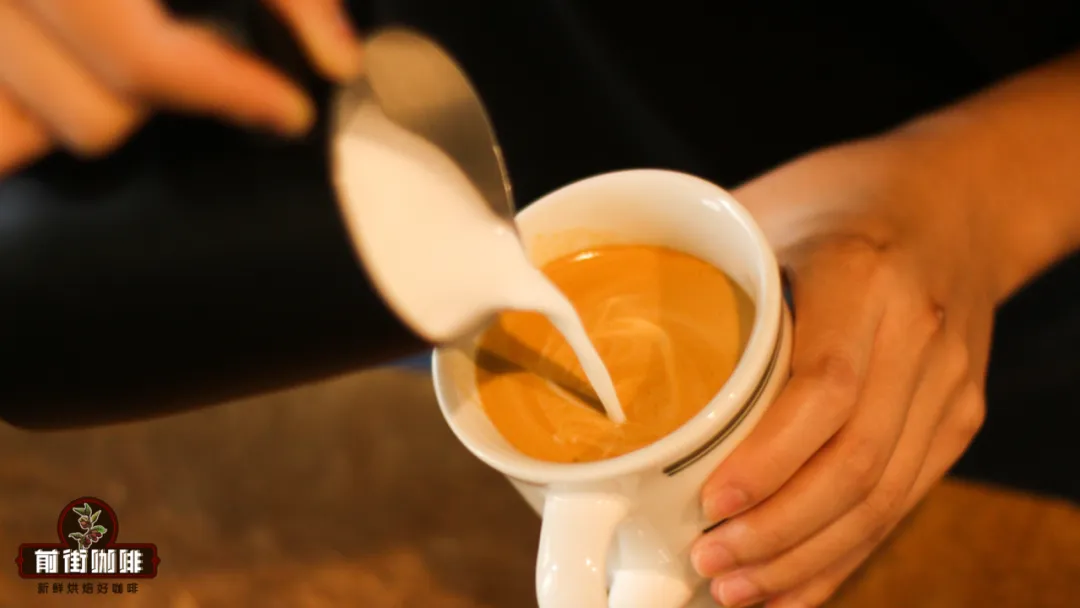


Light Roast Pour-Over Floral Coffee Beans Recommendation: Qianjie Yirgacheffe Gedeo Dingding, Qianjie Panama Hacienda La Esmeralda Green Label Geisha Coffee Beans, QianjiePanama Butterfly Coffee Beans
Daily medium-light roast Yirgacheffe pour-over floral coffee bean recommendation, Qianjie Yirgacheffe Guddina, light roast brings the signature white floral notesAromatic, with lemon-citrus fruit notes and a refreshing floral tea note; bright and crisp on the palate. Great value and an ideal entry-level pour-over coffee with floral and fruity notesAn unrivalled choice.
Moka pot, home espresso, and espresso-based milk drinks like latte — recommended beans: Qianjie Classic Espresso Blend, using BrazilianWest, with Mandheling Arabica and a small amount of Vietnamese Robusta fully blended, delivering a rich and outstanding espressocrema; overall style is rich and memorable. Qianjie Brazil Queen's Estate coffee beans and Qianjie Classic Espresso Blend coffee beans are both mochaA highly recommended option for pot-style espresso machines.
Fruity-floral signature espresso latte bean recommendation: Qianjie Strawberry Candy espresso blend, featuring strawberry gummy and rose aromas,Full-bodied sweetness with a grape and almond finish; especially stunning as an iced latte. Made from Costa Rican honey-process beans, PanamaBlended from Panama Geisha coffee beans and select beans from Colombia's Huila region. Not only does it overturn traditional espresso flavor, the cremaalso performs well, with impressive showings in creative specialty drinks.
Now available on Taobao store「 Qianjie Coffee 」To purchase the above coffee beans, Qianjie Coffee offers dozens of selected single-origin pour-over and espresso coffee beans from around the world. Qianjie CoffeeQianjie Coffee is a veteran specialty coffee roaster; beans are freshly roasted within 5 days, with consistent quality and highly competitive pricesGreat value, ships within 24 hours. Qianjie Coffee is recommended by many coffee lovers and platforms.
Taobao Qianjie Coffee Link: https://qianjiecoffee.taobao.com
Or search our shop directly on Taobao 「Qianjie Coffee」
Qianjie Coffee Store Address: 315 Donghuadong Road, Yuexiu District, Guangzhou

Site Recommendations: 耶加雪菲 花魁咖啡 瑰夏咖啡 波旁咖啡 蓝山咖啡 天堂鸟咖啡豆 曼特宁咖啡豆 PWN黄金曼特宁 星巴克菜单 咖啡豆种类
Please indicate the source when reprinting.
2026-11-11 14:50:42
