The moka pot is often regarded as a stand-in for the espresso machine because of its pressure extraction, and the layer of golden crema in the pot makes people mistake it for espresso. This article traces the history of the espresso machine from its first generation to 1905, when it gained a pressure function, compares it with the moka pot's extraction method, and examines whether Crema is exclusive to Espresso, revealing the divergence between the two devices in pressure and flavor.
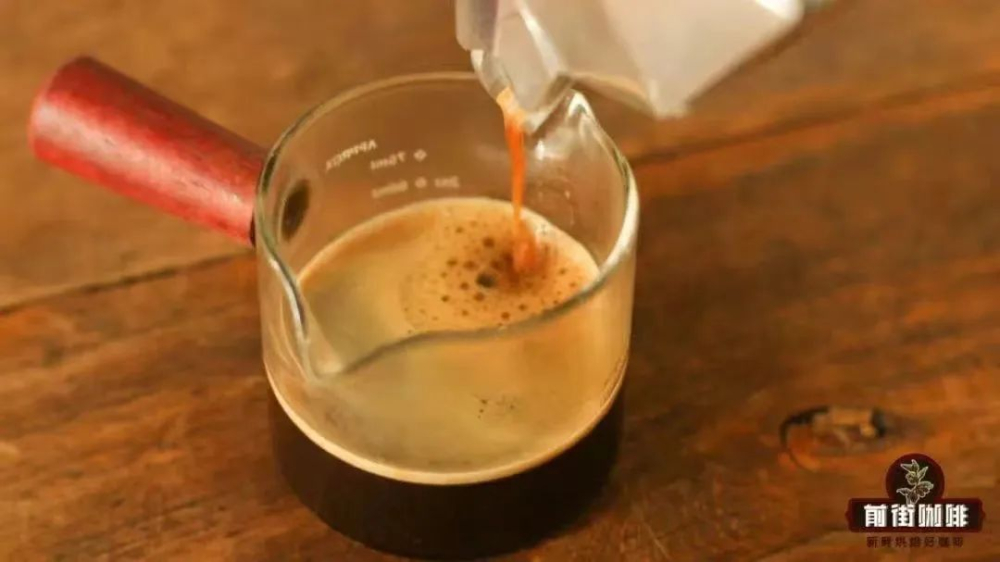
For a long time, because the moka pot's extraction method is the same as that of the espresso machine—both being pressure-based—it has always been treated as a stand-in version of the espresso machine. And precisely because the extraction method is the same, the coffee brewed by the moka pot has a higher concentration and a golden Crema. This inevitably invites the association: is the coffee extracted by the moka pot simply espresso? Actually, it is no wonder people have such thoughts, because from a historical perspective, there really is a certain connection between the two!

The Espresso Machine and the Moka Pot
Everyone must already be very familiar with the story of the coffee machine's birth! Because Mr. Angelo Moriondo was tired of the long wait previously required for making coffee, he began research related to coffee making. By 1884, a machine capable of quickly making coffee was born! But that machine at the time was only a first-generation version, not the pressure-based espresso machine we know today.
It was not until 1905, after countless iterations of the machine, that it finally had a pressure function! Only then was this coffee machine truly the first "espresso machine" in the real sense.
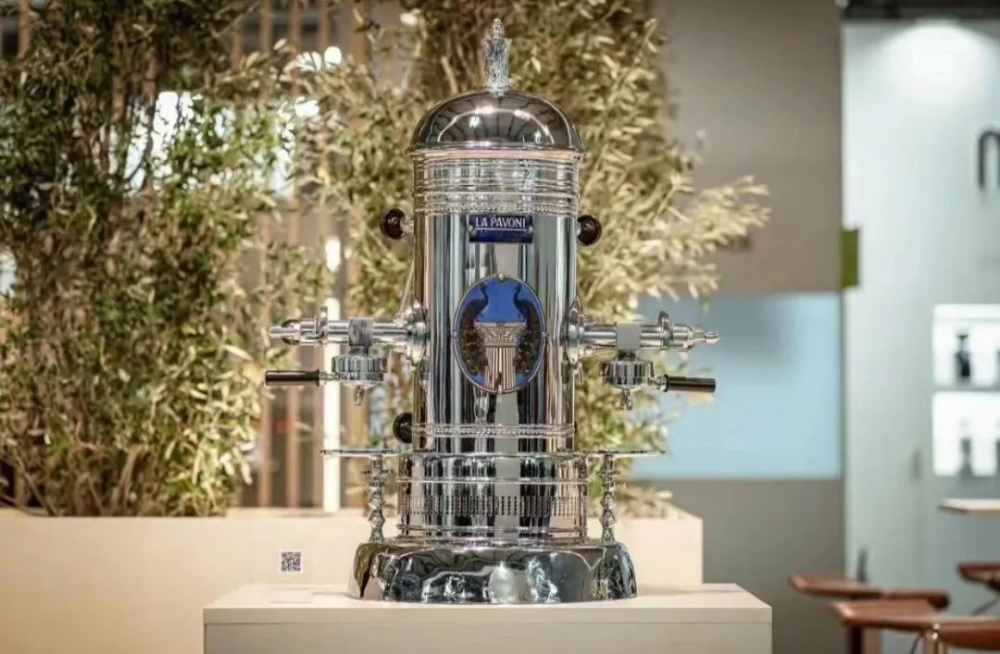
With the addition of pressure, the coffee machine could extract a cup of coffee faster and produced the signature substance--Crema (sparse, not much). Although the pressure was far below that of today's coffee machines, only 1.5 bar, for that era, being able to extract a cup of coffee in less than 1 minute was incredibly fast! So, by 1920, a brand-new term was added to the Italian dictionary: Espresso. It means "espresso made with a pressure machine or filter," and also carries the meaning of "fast." And it was against this background that the moka pot emerged!
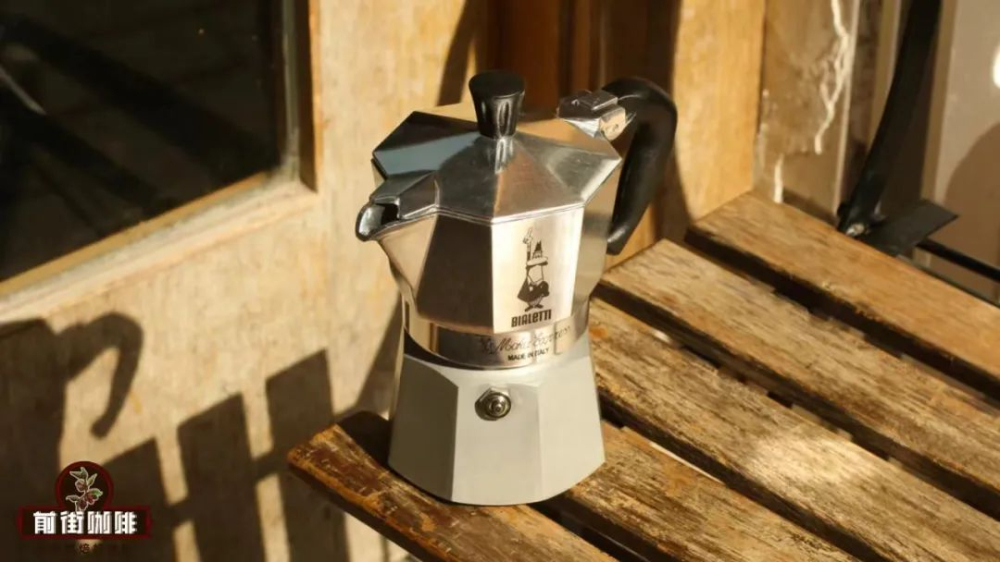
In 1933, Bialetti released a compact and exquisite coffee device--the "moka pot." The working principle of the moka pot is exactly as we know it: it extracts coffee substances through the pressure generated by steam. So it, too, belongs to pressure-based extraction! And the extraction pressure of the moka pot can reach 1~2 bar, so the coffee it extracts is very close to the espresso of that time.

There are two conditions for making moka pot coffee richer and giving it crema: one is fresh medium-to-dark roasted coffee beans, and the other is that the extraction method must use pressure. Coffee beans store a large amount of carbon dioxide during the heating process, which is released when they meet water during extraction, so the darker the roast, the more gas there is. At this point, light-roast beans should be avoided first, because they cannot release much crema. For home beginners who want better value for money, prioritize buying the Qianjie espresso bean series, including Qianjie Black Cocoa Blend, Qianjie Classic Blend, Qianjie Commercial Blend, and Qianjie Specialty Blend. They all use medium-dark roasting, naturally carry caramelized aroma, and the strong coffee made from them is rich in crema.
As a result, most people came to believe that this was a small espresso machine! So the affordable and high-quality moka pot quickly spread to every household in Italy, becoming the coffee-making device that every Italian had.
But in 1961, Faema released a high-pressure coffee machine with an extraction pressure of up to 9 bar, and this instantly changed people's understanding of espresso! Thanks to the high pressure, coffee was made faster, with higher concentration and fuller Crema! It not only opened a gap with older versions of coffee machines, but also distinguished itself from the moka pot. So from this point on, the image of espresso in people's minds began to be rewritten, and moka pot coffee could hardly be linked to espresso anymore.
Because the extraction pressure of the moka pot is not high, more hot water is needed for the coffee to achieve a suitable extraction rate, which results in a relatively lower overall concentration of the coffee, very clearly different from espresso extracted at 9 bar high pressure!
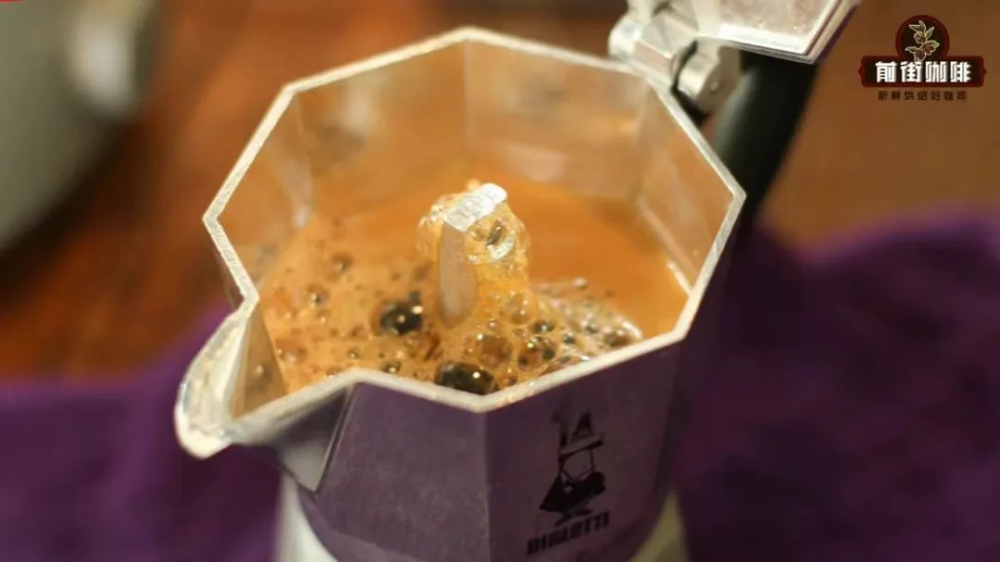
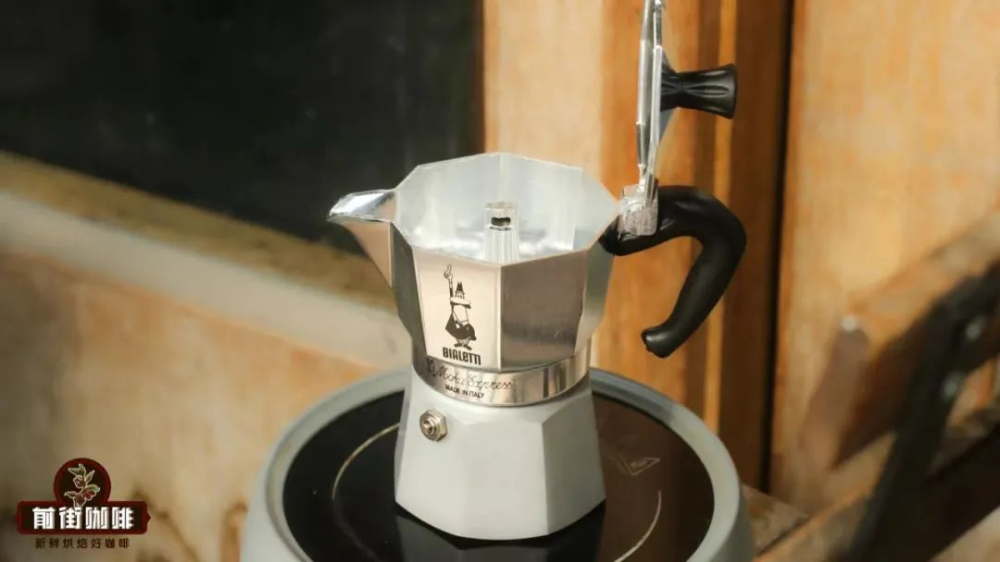
Of course, the moka pot is also constantly improving. By 2020, Bialetti released a brand-new dual-valve version, and the extraction pressure was increased. The all-new dual-valve moka pot not only makes richer coffee, but also produces thicker Crema, very close to today's espresso. So some newcomers will think that the coffee extracted by the moka pot is espresso by another route.
But ever since the birth of the 9-bar coffee machine, people have already realized the difference between espresso and coffee extracted by the moka pot. Therefore, the coffee extracted by the moka pot is not espresso! At the same time, it also cannot be called mocha coffee; it can only be moka pot coffee.

Light Roast Pour-Over Floral Coffee Beans Recommendation: Qianjie Yirgacheffe Gedeo Dingding, Qianjie Panama Hacienda La Esmeralda Green Label Geisha Coffee Beans, QianjiePanama Butterfly Coffee Beans
Daily medium-light roast Yirgacheffe pour-over floral coffee bean recommendation, Qianjie Yirgacheffe Guddina, light roast brings the signature white floral notesAromatic, with lemon-citrus fruit notes and a refreshing floral tea note; bright and crisp on the palate. Great value and an ideal entry-level pour-over coffee with floral and fruity notesAn unrivalled choice.
Moka pot, home espresso, and espresso-based milk drinks like latte — recommended beans: Qianjie Classic Espresso Blend, using BrazilianWest, with Mandheling Arabica and a small amount of Vietnamese Robusta fully blended, delivering a rich and outstanding espressocrema; overall style is rich and memorable. Qianjie Brazil Queen's Estate coffee beans and Qianjie Classic Espresso Blend coffee beans are both mochaA highly recommended option for pot-style espresso machines.
Fruity-floral signature espresso latte bean recommendation: Qianjie Strawberry Candy espresso blend, featuring strawberry gummy and rose aromas,Full-bodied sweetness with a grape and almond finish; especially stunning as an iced latte. Made from Costa Rican honey-process beans, PanamaBlended from Panama Geisha coffee beans and select beans from Colombia's Huila region. Not only does it overturn traditional espresso flavor, the cremaalso performs well, with impressive showings in creative specialty drinks.
Now available on Taobao store「 Qianjie Coffee 」To purchase the above coffee beans, Qianjie Coffee offers dozens of selected single-origin pour-over and espresso coffee beans from around the world. Qianjie CoffeeQianjie Coffee is a veteran specialty coffee roaster; beans are freshly roasted within 5 days, with consistent quality and highly competitive pricesGreat value, ships within 24 hours. Qianjie Coffee is recommended by many coffee lovers and platforms.
Taobao Qianjie Coffee Link: https://qianjiecoffee.taobao.com
Or search our shop directly on Taobao 「Qianjie Coffee」
Qianjie Coffee Store Address: 315 Donghuadong Road, Yuexiu District, Guangzhou

Site Recommendations: 耶加雪菲 花魁咖啡 瑰夏咖啡 波旁咖啡 蓝山咖啡 天堂鸟咖啡豆 曼特宁咖啡豆 PWN黄金曼特宁 星巴克菜单 咖啡豆种类
Please indicate the source when reprinting.
2026-08-09 11:59:59
