Most people who have used a moka pot have seen the "twintails": during extraction, the originally thin and slow stream of water suddenly turns into an impactful column of water, spraying out from the two spouts on the left and right, resembling twintails. This phenomenon usually indicates that something went wrong in certain steps of the operation, and the coffee is very likely to be unevenly extracted, or even carry the bitter taste of over-extraction. To understand why it appears, we must first return to the pressure-extraction principle of the moka pot, and look at how steam accumulates in the lower chamber and pushes hot water through the coffee bed.
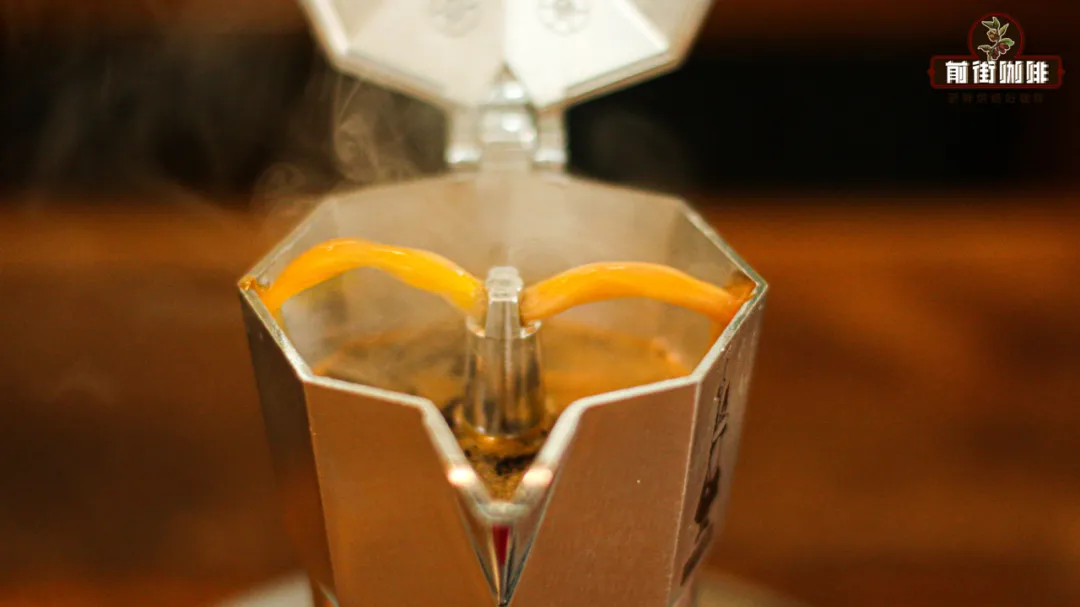
I believe friends who frequently use moka pots have more or less heard of, or seen, the "twintails" phenomenon! It is when, during the extraction process of moka pot coffee, the coffee liquid suddenly changes from the originally thin and slow stream into an impactful "high-pressure water cannon." Then, because the moka pot has two spouts, two streams of water form, one on the left and one on the right, looking just like twintails—hence the name.
The appearance of this phenomenon indicates that in the use of the moka pot, something went wrong in certain steps—perhaps even more than one! All of this means that this cup of coffee is very likely to be unevenly extracted, or even have the bitter taste of over-extraction. Therefore, today Qianjie will explore with everyone what factors can cause this "twintails" phenomenon in the moka pot!

The Operating Principle of the Moka Pot
As the saying goes, know yourself and know your enemy, and you will never be defeated. To understand the cause of the "twintails," we first need to understand its operating principle. The extraction principle of the moka pot is similar to that of an espresso machine—both are pressure extraction—except the pressure is not as full as that of an espresso machine.
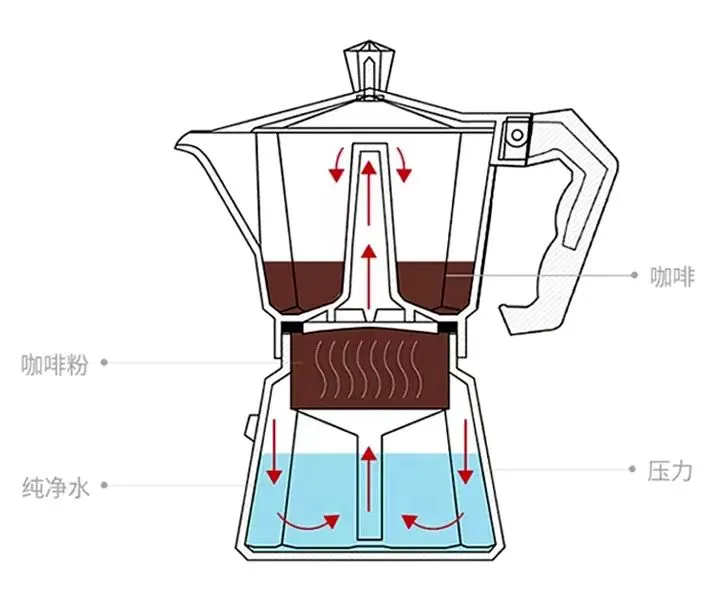
When the water in the moka pot's water chamber is heated, it evaporates and turns into steam. The presence of steam compresses the space in the lower chamber, generating pressure. This pressure pushes the hot water upward, through the coffee grounds, turning it into coffee liquid, which then flows out from the spout above! The greater the pressure, the higher the flow rate; when the pressure reaches a certain level, a gushing phenomenon occurs.
To achieve stable extraction with a moka pot, Qianjie believes there are two key points: one is fresh medium-to-dark roasted coffee beans, and the other is that the extraction method must use pressure. Coffee beans store a large amount of carbon dioxide during roasting, which is released when they meet water during extraction. So the darker the roast, the more gas there is. At this time, light-roasted beans should be avoided first, because they cannot release much oil. For home beginners who want better value, buy the Qianjie espresso bean series first, including Qianjie Black Cocoa Blend, Qianjie Classic Blend, Qianjie Commercial Blend, and Qianjie Specialty Blend. They all use medium-dark roasting and come with caramelized aroma, and the strong coffee they make is rich in oils.

So then we can know that to solve the occurrence of the gushing phenomenon, the pressure must not be allowed to become too great. And in the use of the moka pot, the following points can affect pressure:
1. Adding too much water
The moka pot's water chamber has a pressure relief valve as a scale line, and this scale line indicates the optimal level to which water can be added. Once the hot water added exceeds the scale line, it means the overall space has been compressed; when the water in the chamber is heated and evaporates, the pressure has no buffer space and can only rush upward all at once. Therefore, when water is added past the mark, the pressure becomes fuller.
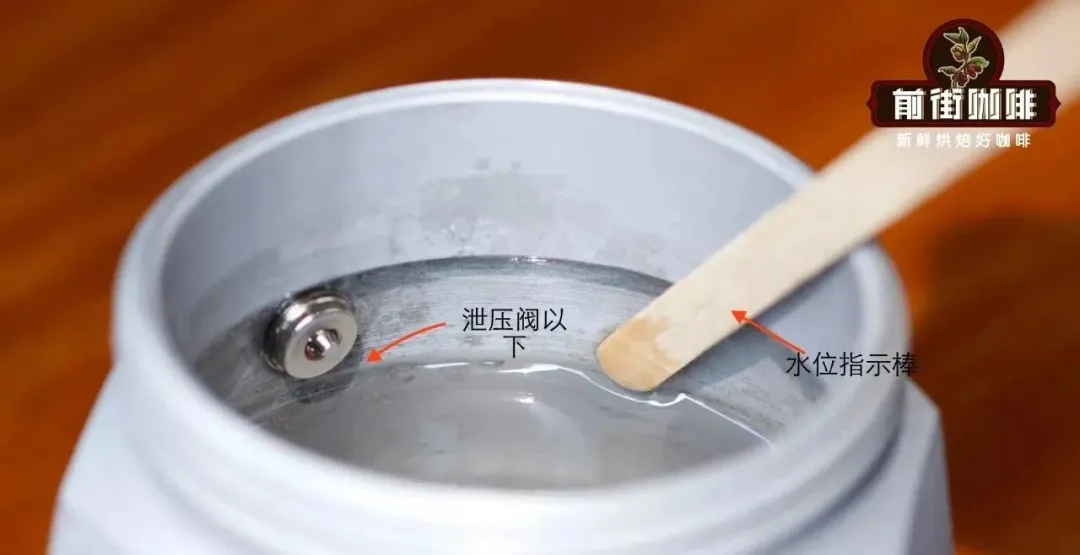
But you should know that a moka pot is not an espresso machine; its compact structural design means it cannot bear excessive pressure. Once it exceeds its own load, the milder case is twintails with an arc, and the more serious case is that the pot body cannot withstand the pressure and directly bursts open! So this aspect must absolutely be paid attention to!
2. Coffee grounds too coarse
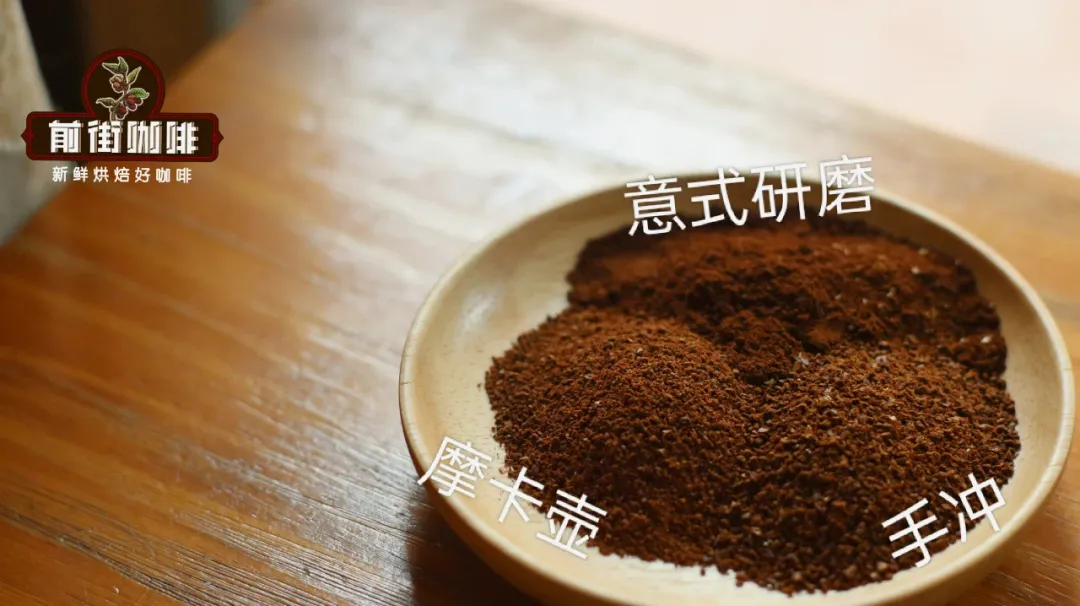
The moka pot grind mentioned earlier by Qianjie sits between espresso grind and pour-over grind, closer to espresso's flour-like particles. Because only sufficient fineness can increase density, reduce the space water can pass through, and make extraction more complete!
But if the grind is too coarse (close to the fine sugar granules of single-origin pour-over), then because the resistance is too small, the coffee liquid will gush out. Not only that, but because the hot water passes through too quickly, it fails to fully extract the substances in the coffee grounds, and the coffee will taste very weak.
3. Uneven distribution of coffee grounds
Whether it is drip extraction or high-pressure extraction, uneven distribution of grounds will always cause water to flow toward places with larger gaps, creating channeling. Channeling brings uneven extraction to the coffee, and you can imagine the taste.
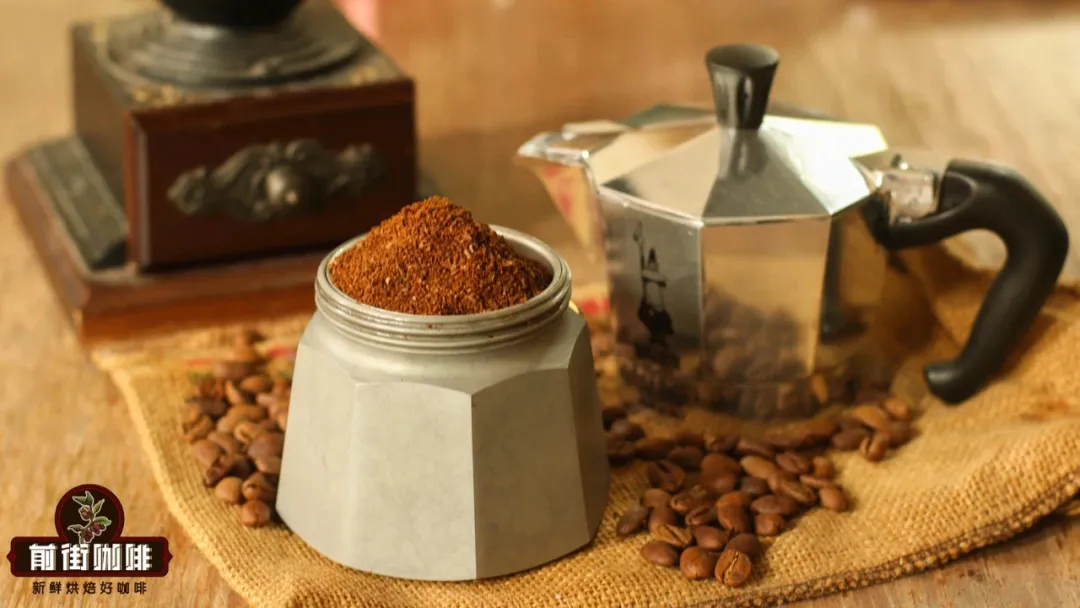
Therefore, when we put the grounds into the filter basket, it is best to tap the edge of the basket with our hands so that the grounds are evenly scattered in every corner, and then use a distribution tool to tamp it a bit, deepening the connection between the grounds and reducing the occurrence of channeling.
4. Heat too high
Once the coffee liquid begins to flow out, it means the hot water in the lower chamber has already boiled, and boiling hot water evaporates more easily. If the heat source is still continuously heating on high after the coffee liquid flows out, then when the steam increases substantially, the pressure will also grow exponentially, which will likewise cause the liquid to burst out in the form of a water column.
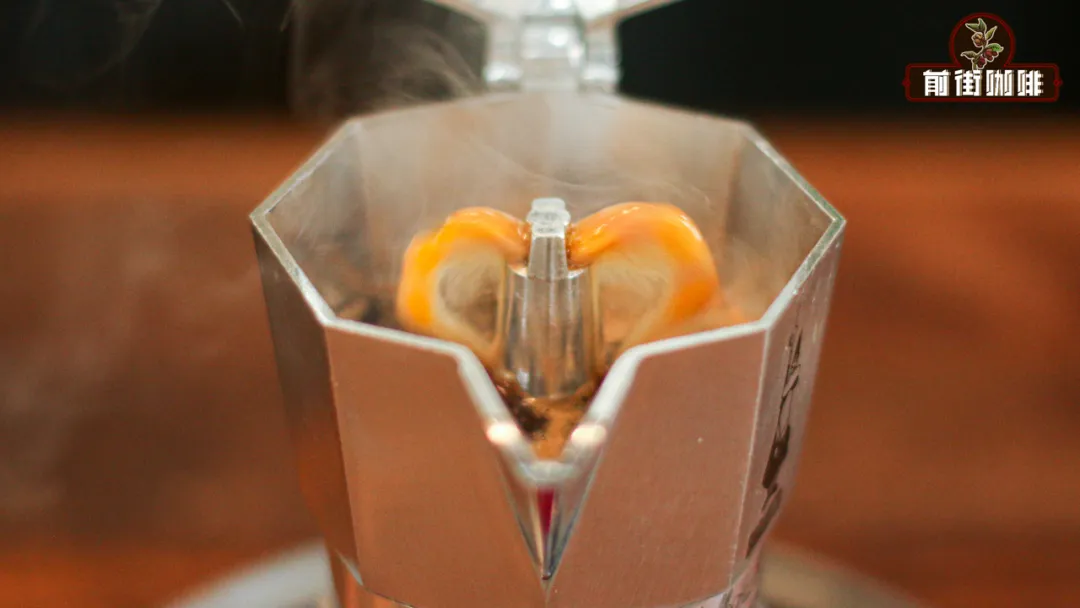
(ღ( ´・ᴗ・` ) Making a heart with a moka pot)
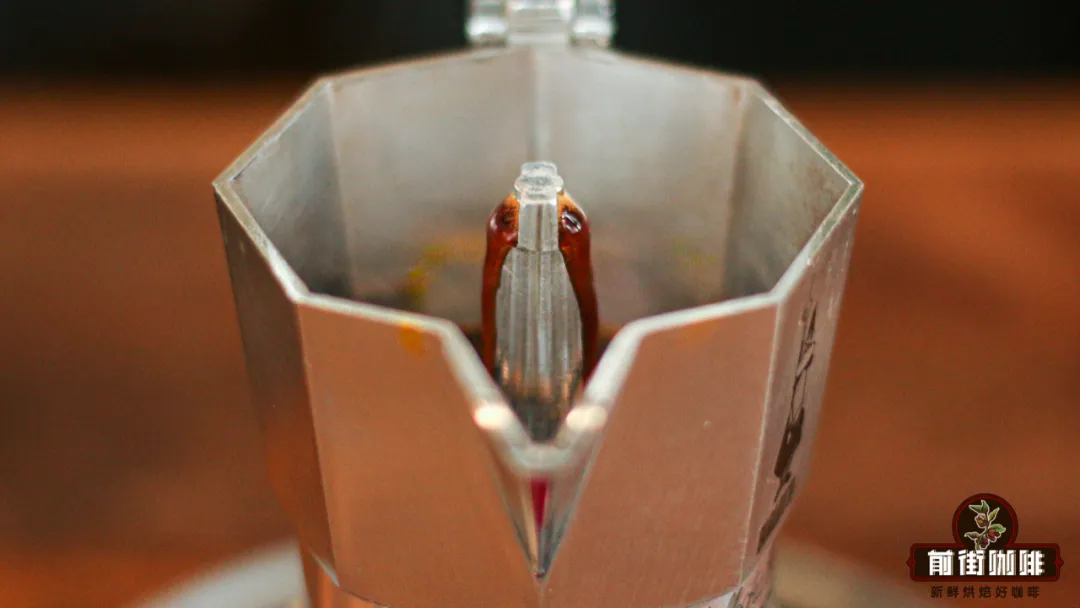
So, when the coffee liquid begins to flow out (see image below), Qianjie suggests appropriately reducing the heat, or directly removing the moka pot from the heat source. This way, the production of steam can be reduced, and the coffee liquid naturally will not spray out so easily.
- END -

Light Roast Pour-Over Floral Coffee Beans Recommendation: Qianjie Yirgacheffe Gedeo Dingding, Qianjie Panama Hacienda La Esmeralda Green Label Geisha Coffee Beans, QianjiePanama Butterfly Coffee Beans
Daily medium-light roast Yirgacheffe pour-over floral coffee bean recommendation, Qianjie Yirgacheffe Guddina, light roast brings the signature white floral notesAromatic, with lemon-citrus fruit notes and a refreshing floral tea note; bright and crisp on the palate. Great value and an ideal entry-level pour-over coffee with floral and fruity notesAn unrivalled choice.
Moka pot, home espresso, and espresso-based milk drinks like latte — recommended beans: Qianjie Classic Espresso Blend, using BrazilianWest, with Mandheling Arabica and a small amount of Vietnamese Robusta fully blended, delivering a rich and outstanding espressocrema; overall style is rich and memorable. Qianjie Brazil Queen's Estate coffee beans and Qianjie Classic Espresso Blend coffee beans are both mochaA highly recommended option for pot-style espresso machines.
Fruity-floral signature espresso latte bean recommendation: Qianjie Strawberry Candy espresso blend, featuring strawberry gummy and rose aromas,Full-bodied sweetness with a grape and almond finish; especially stunning as an iced latte. Made from Costa Rican honey-process beans, PanamaBlended from Panama Geisha coffee beans and select beans from Colombia's Huila region. Not only does it overturn traditional espresso flavor, the cremaalso performs well, with impressive showings in creative specialty drinks.
Now available on Taobao store「 Qianjie Coffee 」To purchase the above coffee beans, Qianjie Coffee offers dozens of selected single-origin pour-over and espresso coffee beans from around the world. Qianjie CoffeeQianjie Coffee is a veteran specialty coffee roaster; beans are freshly roasted within 5 days, with consistent quality and highly competitive pricesGreat value, ships within 24 hours. Qianjie Coffee is recommended by many coffee lovers and platforms.
Taobao Qianjie Coffee Link: https://qianjiecoffee.taobao.com
Or search our shop directly on Taobao 「Qianjie Coffee」
Qianjie Coffee Store Address: 315 Donghuadong Road, Yuexiu District, Guangzhou

Site Recommendations: 耶加雪菲 花魁咖啡 瑰夏咖啡 波旁咖啡 蓝山咖啡 天堂鸟咖啡豆 曼特宁咖啡豆 PWN黄金曼特宁 星巴克菜单 咖啡豆种类
Please indicate the source when reprinting.
2026-08-09 13:35:53
