When buying beans, seeing labels that say white floral, jasmine, orange blossom, it's hard not to be tempted, but after brewing and taking a sip, the floral notes often vanish. Floral notes belong to a delicate and easily masked category of coffee flavors; they are related to bean variety, origin, and post-processing, but are even more constrained by roast level: the darker the roast, the more floral compounds are consumed, and the easier they are covered by caramel, nut, and other flavors. Medium-light roast therefore becomes the common choice for preserving floral notes, and brewing needs to be adjusted accordingly.

When we buy coffee beans, we can see highly appealing floral descriptions on some beans' labels, and we can't resist buying them outright. But after brewing is done and it's time to taste and drink, this situation often happens: "Where are the floral notes? Where are my floral notes? Why can't I taste them?"
Floral notes are a rather special flavor in coffee; even if we buy beans with floral descriptions, wanting to taste the floral notes is no simple matter. At this point some friends will ask: "Is there any way to make the floral notes in the brewed coffee more obvious?" Great—before that, we might as well first understand why some coffee beans carry floral aromas~
Why do some coffees carry floral notes?
The reason some coffees carry rich floral aromas has a certain relationship with their bean variety, growing origin, and post-processing (for details you can move to this article: How Coffee Flavors Are Formed)! But to evolve from seed into the coffee we can drink, it must go through the roasting stage, and the degree of roast is the key link in controlling the intensity of floral notes!
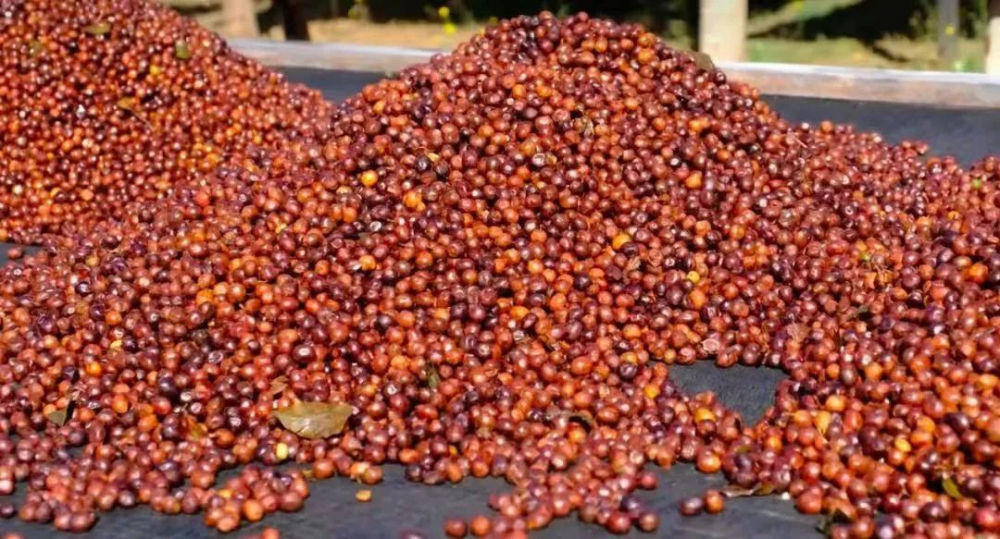
When the beans are roasted in the roaster, the aromatic substances in the coffee beans continuously change under the influence of various reactions; the darker the roast, the more easily the floral notes are worn away; moreover, floral notes belong to a type that is easily covered by other flavors—when the roast is too dark and the concentration of other flavors increases, floral notes will be very easily masked.
So generally speaking, beans with floral descriptions will adopt the "medium-light" roast level; at this roast level there aren't too many flavors that can cover the floral notes, and it is also when the stock of floral flavor compounds is at its highest!
Types of floral notes
Just like the different types of fruit flavors we taste, floral notes also have different types, but the classification here is not about grouping aromas into broad categories like white floral or purple floral, but classifying by the type of scent we perceive. Among floral notes, there are three main types: fresh-scented, pungent-scented, and subtle-scented.
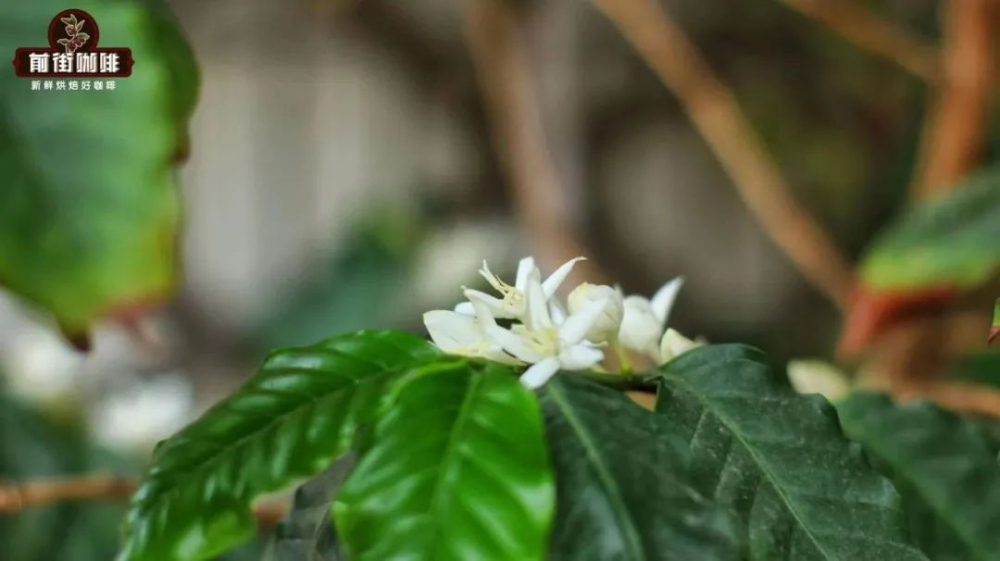
Fresh-scented, as the name suggests, means this type of floral note gives people a fresh, elegant feeling when smelled, such as jasmine and gardenia. Among them, white floral is the most typical representative, and also the most frequently occurring floral aroma in our perception! If you want to taste jasmine, buy Qianjie Yirgacheffe Gutingding or Qianjie Panama Boquete Geisha.

Subtle-scented floral notes, when smelled, bring a soft, soothing feeling! Roses and lavender are the classics of subtle-scented floral notes! To taste rose floral notes, choose Qianjie Strawberry Candy, and at the same time you can also taste grape juice and dried blueberry flavors.

Pungent-scented floral notes differ somewhat from the previous two types; they are more assertive, and when smelled carry a slight pungency, meaning the aroma is somewhat sharp at first sniff. This type of floral aroma is typically represented by osmanthus and chamomile; Qianjie Mozart coffee beans are recommended.

Here's an extra knowledge point: the description "white floral" covers a very large group of flowers; besides the conventional jasmine, camellia, and coffee flower, it also includes white magnolia, gardenia, white rose, and a host of other white flowers.
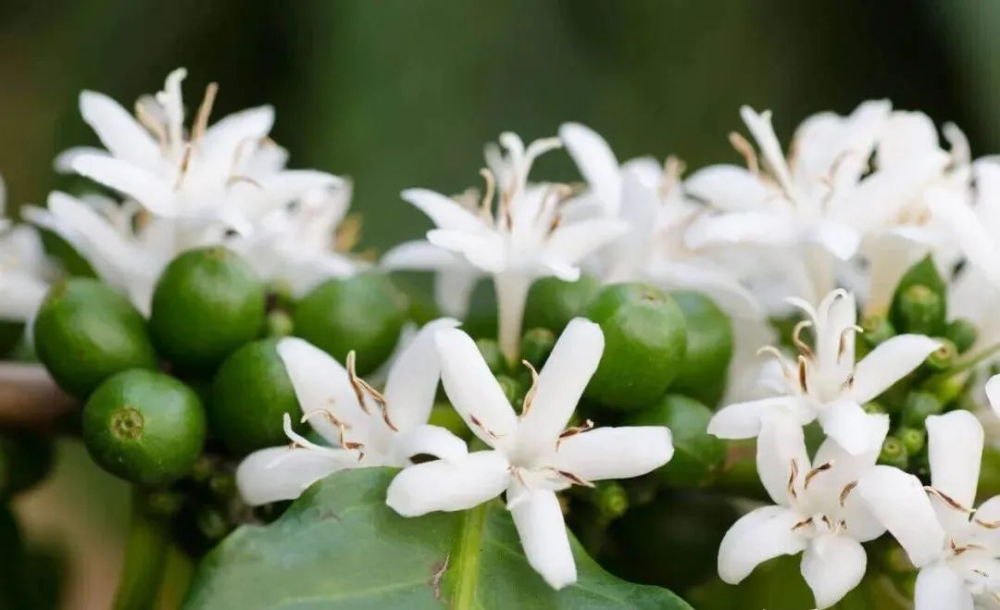
Because when tasting coffee, the clustered flavors and aromas don't allow us to clearly distinguish which specific floral note it is—after all, the aromatic base of these white flowers is roughly the same. So people simply collectively call this type of floral note "white floral."
So, is there any trick to brewing out the floral notes?
Indeed there is. According to research by American biologist Dr. Hacklott and SCAA's own consultant Lingle, the coffee extraction process is about hot water dissolving the flavor molecules in coffee, and the size and polarity of the molecules determine the dissolution speed of the flavor molecules!

Basically, flavor molecules with small mass and high polarity dissolve faster; flavor molecules with large mass and low polarity dissolve more slowly! Floral flavor compounds belong to low-polarity molecules and require a longer time to be extracted! Not only that, as said earlier: it is also a molecule with very weak sensory stimulation. If the concentration or other flavors are too high, floral notes will be very difficult for our senses to capture.
So fussy! Both hard to extract and easily masked—by that logic, to clearly taste floral notes, wouldn't you have to increase the extraction rate while lowering the concentration?
Well, wouldn't you know—in 2020, the SCA commissioned the University of California to conduct extraction experiments, and the results confirmed: low-concentration, high-extraction coffee indeed carries more obvious floral notes! So the answer is simple: we just need to change the brewing parameters a bit, pair with a bean that carries floral notes, and the result will be a cup of coffee with rich floral aromas!
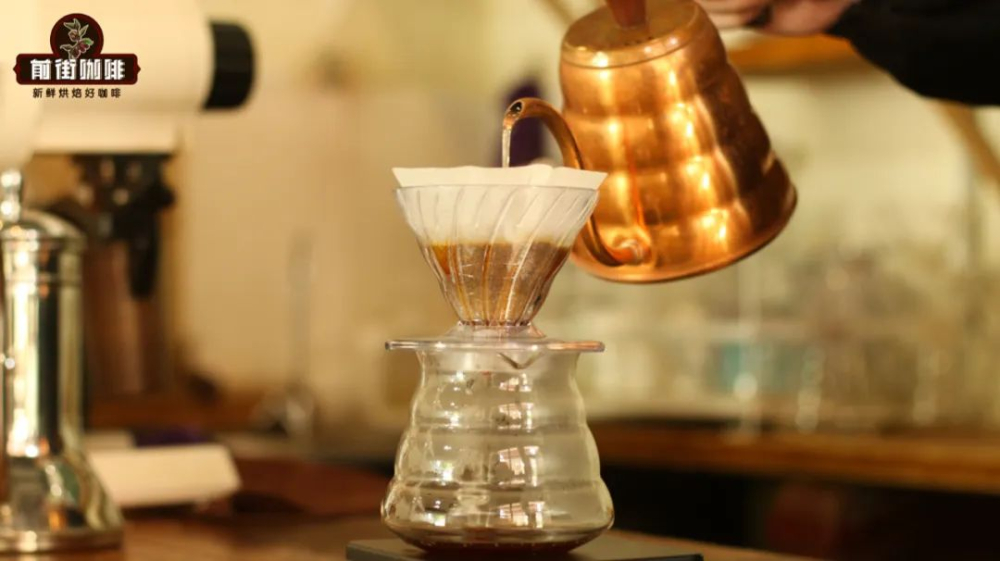
Lowering the concentration is easy to understand—it means we need more water to dilute the coffee, so just increase the coffee-to-water ratio! Qianjie's daily pour-over mainly uses a 1:15 coffee-to-water ratio; if you want to release floral notes by diluting the concentration, you can raise the ratio to 1:16! (Qianjie once compared 1:16 and 1:17 ratios and found that at 1:17 the coffee concentration was diluted too much, making it hard to satisfy friends with "heavier" taste preferences.)
There are many ways to increase the extraction rate: raise the water temperature, grind finer, or increase agitation! Qianjie rather recommends increasing agitation, because changing the first two means you need to modify other parameters accordingly, otherwise you'll bear the risk of over-extraction, so while ensuring stability, increasing agitation is inevitably the best choice!
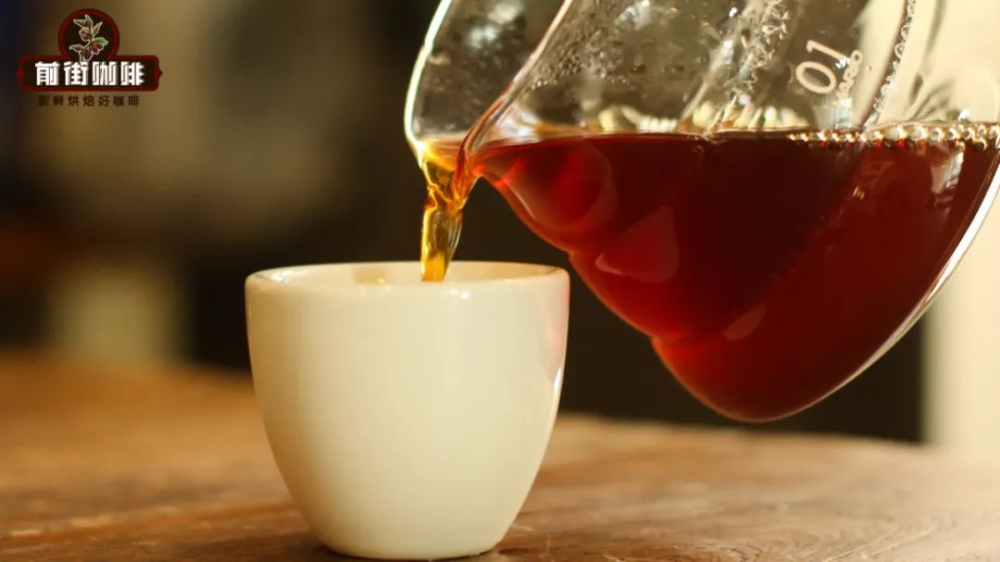
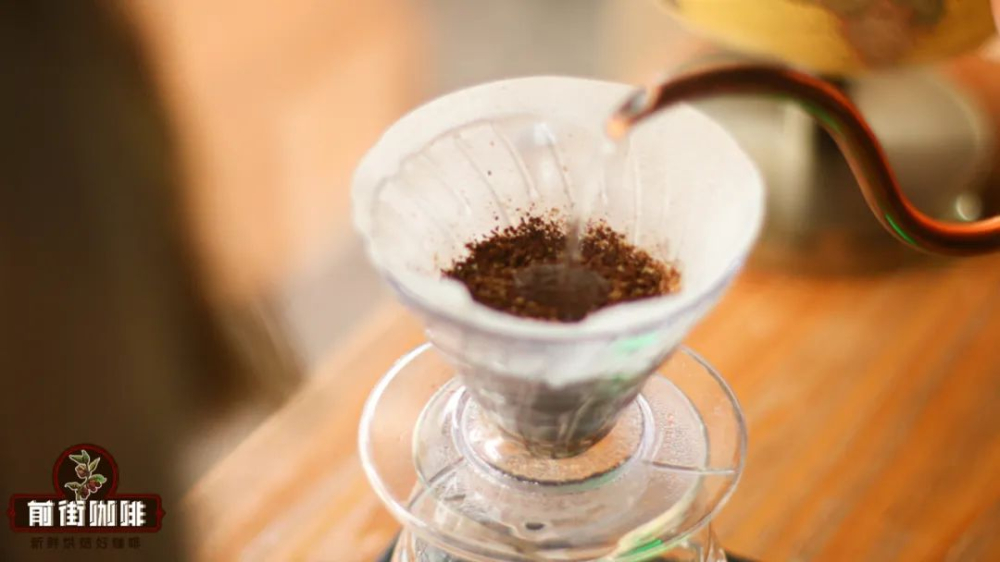
During brewing, what provides agitation is the water stream when pouring; we can increase agitation by appropriately increasing the impact force of the stream or the number of circles, raising the extraction rate! So without further ado, Qianjie will directly use a bean with rich floral notes for a brewing experiment! The extraction parameters are as follows:
Bean used: Ethiopia · Gold Label Geisha
Bean weight used: 15g
Coffee-to-water ratio: 1:16 (normally 1:15)
Brewing water temperature: 92°C
Grind setting: Ek43 setting 10, 70% passing rate through No. 20 sieve
Dripper used: V60
Brewing method: three-stage
The three-stage pour amounts are: 30ml for blooming; after blooming, the second stage is 140ml poured in large circles at a steady pace (normally slowly); the third stage is 70ml poured in small circles at a steady pace!
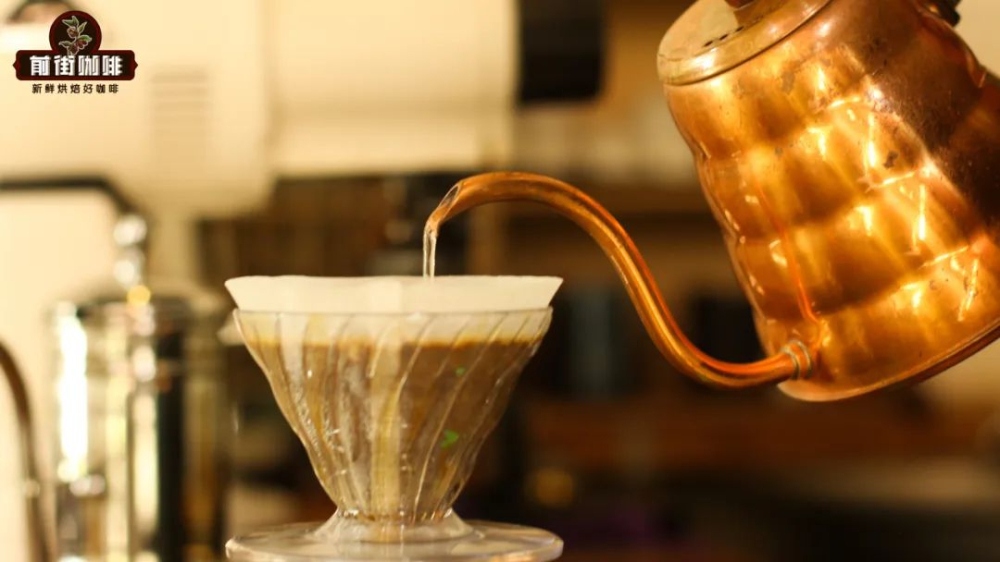
The total extraction time was 2 minutes 12 seconds. Compared with the Gold Label Geisha extracted using the original parameters (1:15 and slow circling), this cup indeed has richer white floral notes, the sweet-sour fruit flavors are softer, and it carries a distinct green tea finish—very nice! Give it a try~

Light Roast Pour-Over Floral Coffee Beans Recommendation: Qianjie Yirgacheffe Gedeo Dingding, Qianjie Panama Hacienda La Esmeralda Green Label Geisha Coffee Beans, QianjiePanama Butterfly Coffee Beans
Daily medium-light roast Yirgacheffe pour-over floral coffee bean recommendation, Qianjie Yirgacheffe Guddina, light roast brings the signature white floral notesAromatic, with lemon-citrus fruit notes and a refreshing floral tea note; bright and crisp on the palate. Great value and an ideal entry-level pour-over coffee with floral and fruity notesAn unrivalled choice.
Moka pot, home espresso, and espresso-based milk drinks like latte — recommended beans: Qianjie Classic Espresso Blend, using BrazilianWest, with Mandheling Arabica and a small amount of Vietnamese Robusta fully blended, delivering a rich and outstanding espressocrema; overall style is rich and memorable. Qianjie Brazil Queen's Estate coffee beans and Qianjie Classic Espresso Blend coffee beans are both mochaA highly recommended option for pot-style espresso machines.
Fruity-floral signature espresso latte bean recommendation: Qianjie Strawberry Candy espresso blend, featuring strawberry gummy and rose aromas,Full-bodied sweetness with a grape and almond finish; especially stunning as an iced latte. Made from Costa Rican honey-process beans, PanamaBlended from Panama Geisha coffee beans and select beans from Colombia's Huila region. Not only does it overturn traditional espresso flavor, the cremaalso performs well, with impressive showings in creative specialty drinks.
Now available on Taobao store「 Qianjie Coffee 」To purchase the above coffee beans, Qianjie Coffee offers dozens of selected single-origin pour-over and espresso coffee beans from around the world. Qianjie CoffeeQianjie Coffee is a veteran specialty coffee roaster; beans are freshly roasted within 5 days, with consistent quality and highly competitive pricesGreat value, ships within 24 hours. Qianjie Coffee is recommended by many coffee lovers and platforms.
Taobao Qianjie Coffee Link: https://qianjiecoffee.taobao.com
Or search our shop directly on Taobao 「Qianjie Coffee」
Qianjie Coffee Store Address: 315 Donghuadong Road, Yuexiu District, Guangzhou

Site Recommendations: 耶加雪菲 花魁咖啡 瑰夏咖啡 波旁咖啡 蓝山咖啡 天堂鸟咖啡豆 曼特宁咖啡豆 PWN黄金曼特宁 星巴克菜单 咖啡豆种类
Please indicate the source when reprinting.
2026-08-10 16:25:15
