In today's coffee market, coffee can be divided into three major species: Arabica, Robusta, and Liberica. The most famous commercially cultivated species are Arabica and Robusta. Robusta originated in the Congo region of West Africa and belongs to the Canephora species, also known as the Congo species. Genetically, it belongs to a different species from Arabica; within the Canephora species, only Robusta is widely commercialized, and thus Robusta is often used as a byname for this species line.

In the current coffee market, coffee can be divided into three major species: Arabica, Robusta, and Liberica. At present, the most famous commercially cultivated coffee tree species are Arabica and Robusta.
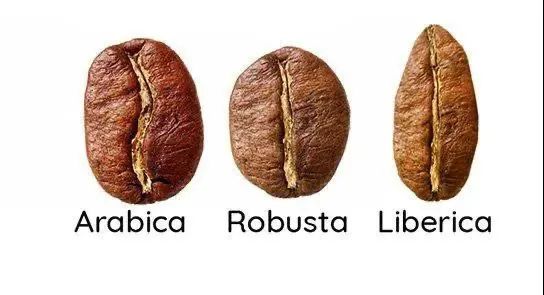
Robusta
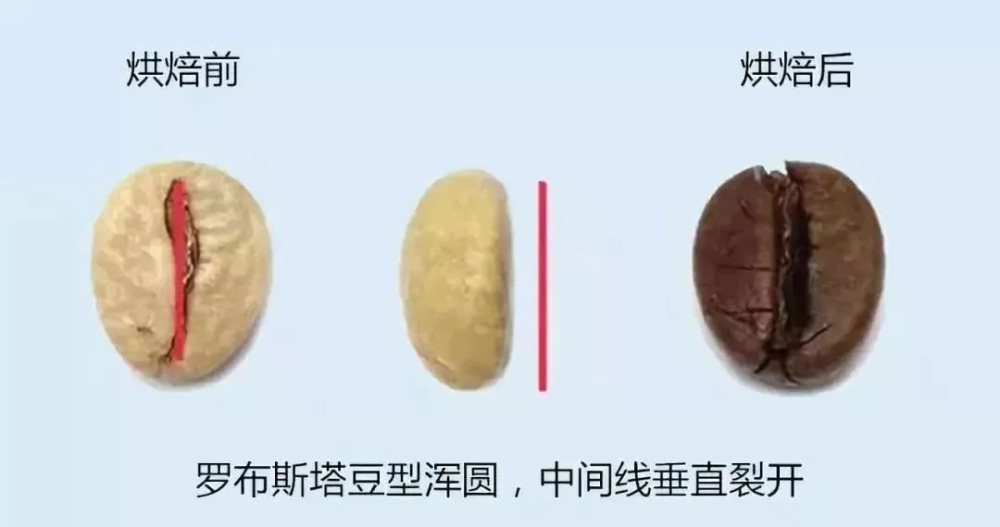
Robusta originated in the Congo region of West Africa. People often compare Robusta with Arabica, but genetically they are two different species. Robusta actually belongs to the Canephora species, also known as the Congo species, but within the Canephora species only the Robusta variety can be used commercially and is well known to people. Therefore, Robusta has now replaced Canephora as the byname for this species line.
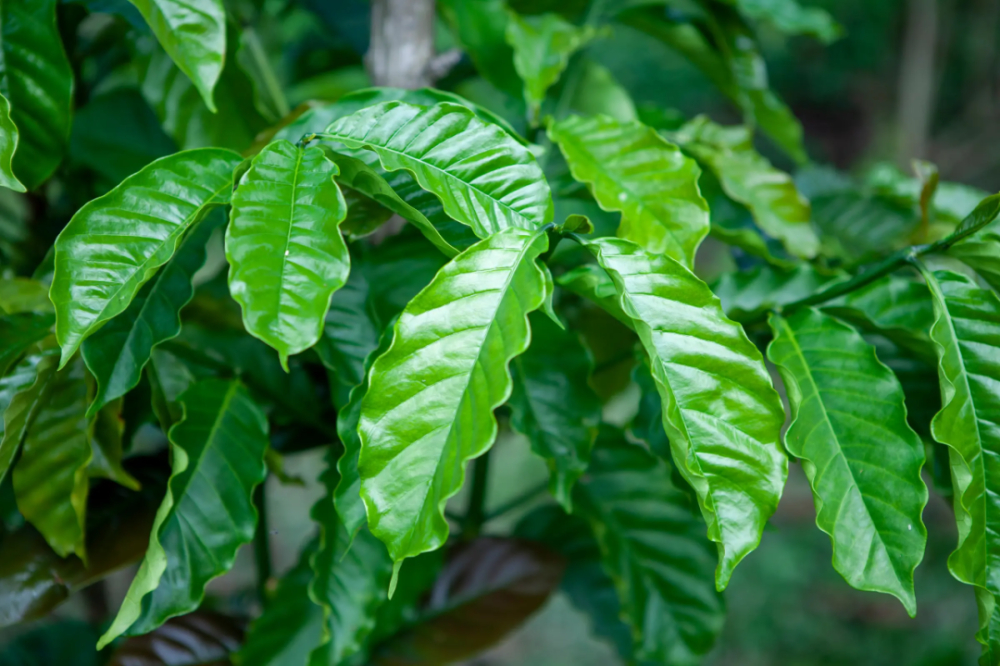
Coffee worldwide grows in the equatorial belt between the Tropic of Cancer and the Tropic of Capricorn, and Robusta is no exception. However, Robusta's growing conditions are not as demanding as Arabica's. Robusta can be planted and bear fruit at lower altitudes, can adapt to high-temperature environments, and has good disease resistance. Robusta grows faster and has higher tolerance for extreme weather conditions. At present, Robusta is widely planted in countries such as Vietnam, Brazil, and India.
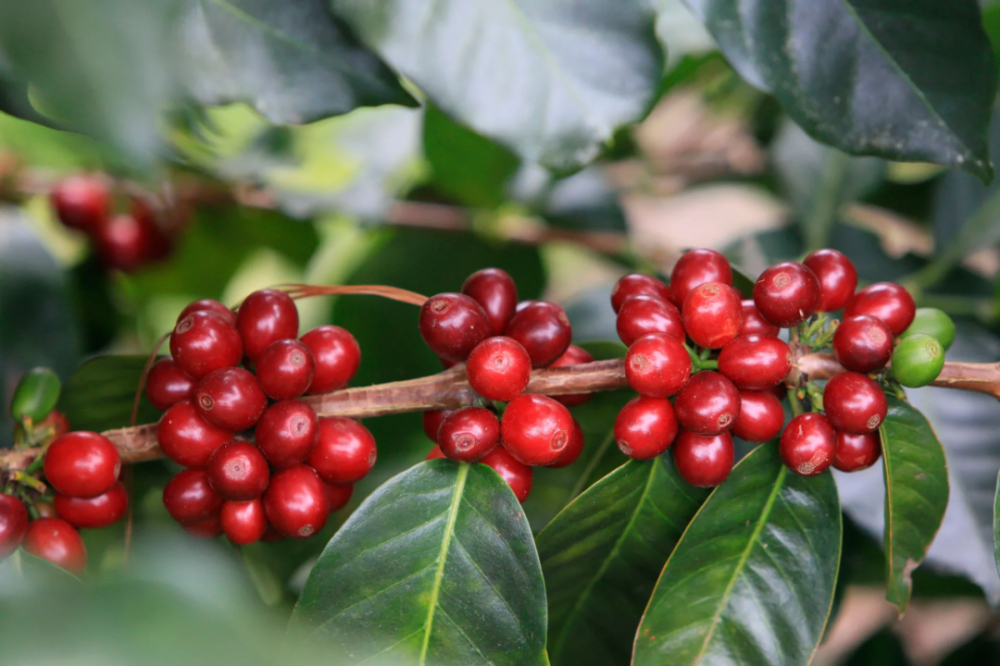
Robusta's caffeine content is between 2.7-4%, twice that of Arabica. Caffeine is also a plant's natural insect repellent, protecting it from some insects. Robusta is cross-pollinated, while Arabica is self-pollinated, and pollination involves genetics.
Usually, plant varieties obtained through cross-pollination are superior. Offspring produced through cross-pollination inherit genetic traits from both parent plants, which may produce new characteristics that help them grow in variable environments. Self-pollinated Arabica is more fragile because its genes become increasingly uniform over successive generations of reproduction. Therefore, when viruses appear (such as leaf rust, berry disease, etc.), they may wipe out all the coffee with such uniform genes. So Robusta's strength lies in its ability to adapt to the environment through constantly changing genes.
Robusta has higher contents of caffeine, amino acids, and chlorogenic acid than Arabica, and chlorogenic acid is the source of bitterness and astringency. Therefore, Robusta has a fuller, deeper mouthfeel, with flavors leaning more toward walnut, nuts, grains, etc., while also having the richest oils. As a result, Robusta is not used for pour-over single-origin coffee; it is mostly used in espresso blends or instant coffee. Those who pursue coffee crema and a rich mouthfeel can purchase Qianjie Classic Blend and Qianjie Commercial Blend, because they add a small amount of Robusta.

However, with the development of the coffee industry, coffee varieties have undergone continuous transplantation, mutation, and crossing, giving rise to many varieties, and Robusta can also be used to cross with Arabica so that it can carry Robusta's resistance genes. Examples include Timor (called Tim Tim in Indonesia), Catimor, and Castillo.
In 1920, Timor Hybrid appeared on the island of East Timor. It is a natural hybrid of Arabica and Robusta, belonging to the Arabica coffee plant but carrying disease-resistance genes from the Robusta species. Therefore, the Timor variety was crossed with Caturra, producing the first generation of F1 hybrid varieties, which is today's Catimor. In 1961, the Colombian research center began research on leaf-rust-resistant varieties such as Caturra and Timor Hybrid. After 23 years of research, it developed six varieties including Castillo, and began widespread planting in 2005.

Qianjie also offers a Yunnan small-bean Catimor coffee bean, washed processed, which tastes of melon and fruit aromas. Because it is medium roasted, Qianjie Yunnan small bean has a slight plum acidity and cocoa flavor, with a black tea-like mouthfeel and overall balance.

In addition to pour-over single-origin, Qianjie Yunnan small bean, thanks to its mild mouthfeel, is also used as a component in espresso bean recipes. Beginners are well suited to purchase Qianjie Black Cocoa Basic Blend, which combines the creamy peanut aroma of Brazil with the slight acidity and tea-like feel of Yunnan small bean, with an overall balanced mouthfeel and a fragrant finish.

Light Roast Pour-Over Floral Coffee Beans Recommendation: Qianjie Yirgacheffe Gedeo Dingding, Qianjie Panama Hacienda La Esmeralda Green Label Geisha Coffee Beans, QianjiePanama Butterfly Coffee Beans
Daily medium-light roast Yirgacheffe pour-over floral coffee bean recommendation, Qianjie Yirgacheffe Guddina, light roast brings the signature white floral notesAromatic, with lemon-citrus fruit notes and a refreshing floral tea note; bright and crisp on the palate. Great value and an ideal entry-level pour-over coffee with floral and fruity notesAn unrivalled choice.
Moka pot, home espresso, and espresso-based milk drinks like latte — recommended beans: Qianjie Classic Espresso Blend, using BrazilianWest, with Mandheling Arabica and a small amount of Vietnamese Robusta fully blended, delivering a rich and outstanding espressocrema; overall style is rich and memorable. Qianjie Brazil Queen's Estate coffee beans and Qianjie Classic Espresso Blend coffee beans are both mochaA highly recommended option for pot-style espresso machines.
Fruity-floral signature espresso latte bean recommendation: Qianjie Strawberry Candy espresso blend, featuring strawberry gummy and rose aromas,Full-bodied sweetness with a grape and almond finish; especially stunning as an iced latte. Made from Costa Rican honey-process beans, PanamaBlended from Panama Geisha coffee beans and select beans from Colombia's Huila region. Not only does it overturn traditional espresso flavor, the cremaalso performs well, with impressive showings in creative specialty drinks.
Now available on Taobao store「 Qianjie Coffee 」To purchase the above coffee beans, Qianjie Coffee offers dozens of selected single-origin pour-over and espresso coffee beans from around the world. Qianjie CoffeeQianjie Coffee is a veteran specialty coffee roaster; beans are freshly roasted within 5 days, with consistent quality and highly competitive pricesGreat value, ships within 24 hours. Qianjie Coffee is recommended by many coffee lovers and platforms.
Taobao Qianjie Coffee Link: https://qianjiecoffee.taobao.com
Or search our shop directly on Taobao 「Qianjie Coffee」
Qianjie Coffee Store Address: 315 Donghuadong Road, Yuexiu District, Guangzhou

Site Recommendations: 耶加雪菲 花魁咖啡 瑰夏咖啡 波旁咖啡 蓝山咖啡 天堂鸟咖啡豆 曼特宁咖啡豆 PWN黄金曼特宁 星巴克菜单 咖啡豆种类
Please indicate the source when reprinting.
2026-08-23 16:24:30
