Latte art attracts many people to step into the coffee field, just so that one day they can casually create delicate and refined patterns. How long it actually takes to master latte art depends on the difficulty of the goal: to make a good-looking single figure, one day is enough if you're lucky; to complete high-difficulty combination patterns, you need to understand the principles and keep practicing. Whether to use a large or small cup for etching is also closely related to the milk foam condition and pouring technique.

Latte art has attracted many friends to step into the coffee field from other places, just so that one day in the future, they can casually create delicate and refined latte art patterns. So, here comes the question: how long does it take to master latte art techniques?
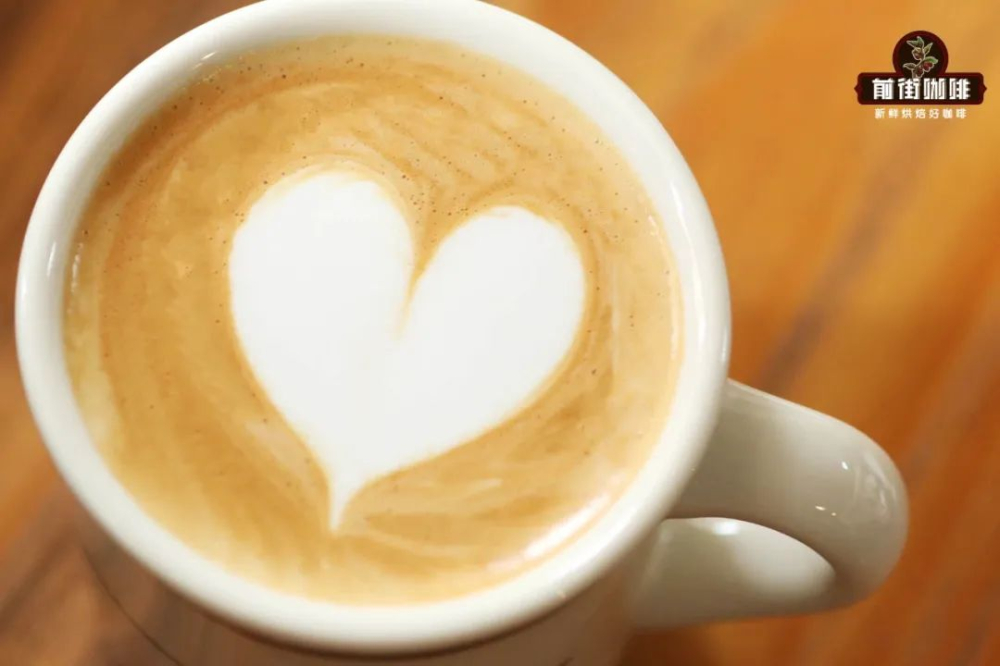
Actually, latte art techniques aren't as complicated as you'd imagine. If it just means making a good-looking pattern, then with a bit of luck, one day is enough! If you're unlucky, two or three days at most~
If it refers to high-difficulty combination patterns, then we need to understand the relevant principles and practice accordingly, and I believe you'll soon be able to create the target pattern you want! Next, Qianjie will share the principles of latte art and some easily overlooked details, hoping to help everyone get started with latte art more easily! For milk frothing, please refer to "How to Froth Milk"
We have to admit that the prerequisite for making beautiful latte art is having a perfect espresso, so choosing which coffee beans to use is very important. Qianjie believes that an espresso with fine, smooth, and rich crema is the best standard. You can use Qianjie Classic Blend and Qianjie Commercial Blend, two popular products. One combines the wild character of Brazil and Mandheling, and the other is a formula rich in various nutty aromas, with a small amount of Robusta added to enhance the richness of the crema and its golden color.

The Principles of Creating Patterns
The main actions in latte art are divided into two: incorporation and drawing! The difference between these two operations lies in the height at which the milk foam is poured! When the spout of the latte art pitcher is at a higher distance from the liquid surface, the poured milk foam will go directly into the coffee and incorporate with it—this action is "incorporation."
When you pour the milk foam with the pitcher spout almost touching the liquid surface, then different white stripes will appear on the brown coffee surface according to the force of your pour—this action is "drawing."

Usually, we need to first incorporate the coffee and milk to half the cup volume before starting to draw. One reason is to allow the milk and coffee to incorporate better, and the other is that after reaching half the cup volume, it's easier to create patterns.
Incorporation Techniques
Incorporation isn't just about holding the milk foam up high and swirling it around! If you want the incorporated liquid surface not to look as maddening as a white shirt stained with spots, then we still need to pay attention to the height of incorporation.
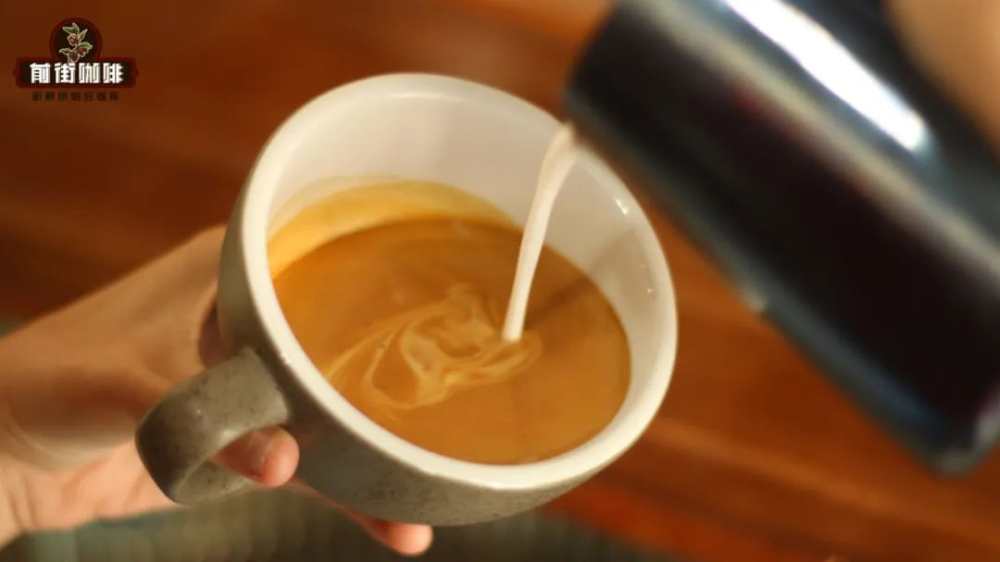
(The image shows a liquid surface like a "white shirt stained with spots")
The conventional incorporation method is: hold the cup with your left hand, hold the pitcher with your right hand, then offset both hands by half a circle to perform relative circular motions. What we need to pay attention to is controlling the height at about 5–10 cm during incorporation, combined with slightly stronger up-and-down stirring, and messy stripes will rarely appear.
Drawing Techniques
The most crucial part is drawing! At this point, the coffee in our cup has reached half capacity, so next comes drawing time! There are four key points in total~

Key point 1: When drawing, besides letting your right hand control the output of milk foam, your left hand also needs to control the rotation of the coffee cup. This action is generally called "returning the cup." The cup-returning action is quite important—returning too early makes it difficult for the pattern to form, and returning too late easily causes the coffee to overflow. So when drawing, the first thing we need to practice is using both hands simultaneously, so that when the right hand outputs milk foam, the left hand can also perform appropriate cup-returning motions based on the output amount!
Key point 2: The greater the force you use when pouring milk foam, the more milk foam will be poured in. Then, the latte art stripes created with the shaking will be thicker (this also happens if the milk foam is frothed too thick); if the force used when pouring milk foam is smaller, then the poured milk foam combined with shaking will easily present clearly defined stripes on the liquid surface (with appropriate milk foam thickness, the stripes can be clearer!).

Key point 3: Different patterns have different landing points. Normally, the position of the latte art pattern you see will have a certain deviation from the landing point when drawing! For example, a heart-shaped latte art ultimately appears in the center of the cup, so when we draw, the landing point needs to be shifted slightly to the right of center (toward the direction of the latte art pitcher), because the cup-returning movement plus the milk's pushing flow will change its final position!
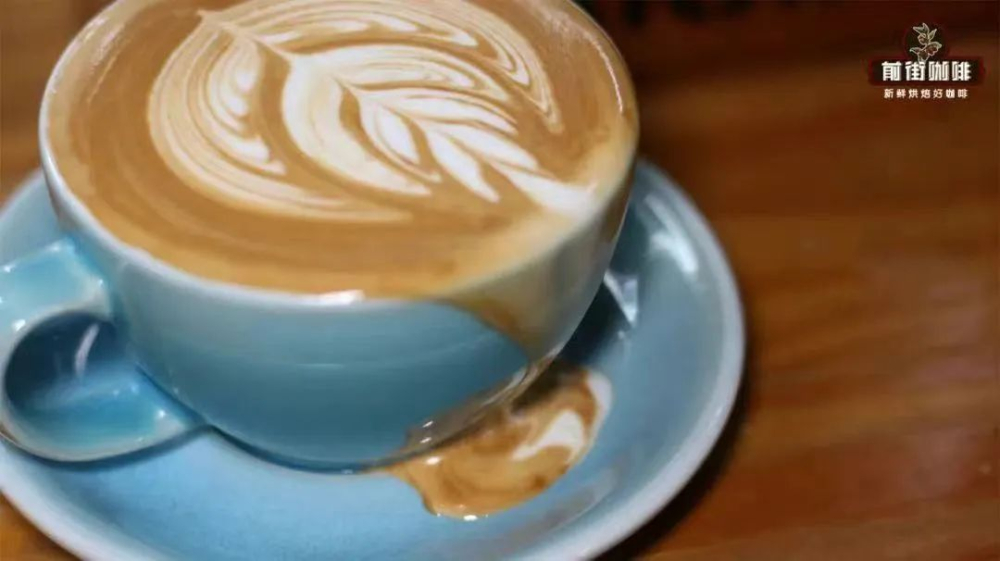
Key point 4: The finishing stroke is super important—if done well, it's the finishing touch; if done poorly, it's gilding the lily. Even if you've made the earlier pattern perfectly, if you don't control the height well during the finishing stroke, it will cause your entire carefully arranged pattern to collapse!
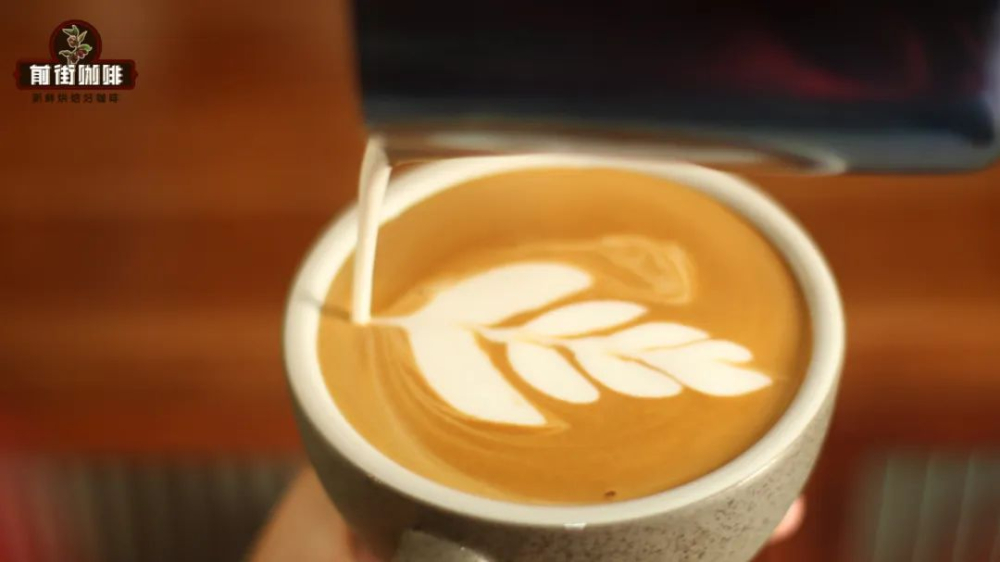
(The finishing stroke wasn't done well, causing the middle lines to be too thick and making the entire pattern unbalanced left and right)
So, during the finishing stroke, we need to pay attention to controlling the height of the latte art pitcher, not letting the pitcher get too close to the liquid surface, to avoid leaving extra "strokes"~ One more point: the finishing stroke should start at the latest when the cup is nine-tenths full, otherwise it will easily cause the coffee to overflow due to excessive volume!
Latte Art Practice Suggestions
Suggestion 1: When we first start with latte art, we can directly use milk and coffee to try once or twice, first experiencing what it feels like to do latte art with "real ammunition," then remembering this resistance and feeling, which will be very helpful for the subsequent practice with dish soap and soy sauce. (Wealthy kids can also practice with real milk and real coffee)
Suggestion 2: The main purpose of practice is to train the muscle memory of both hands. Let's not think about what pattern to make first; instead, first train well the "posture of holding the cup and pitcher, incorporation techniques, cup-returning skills, and drawing details." Although it may be somewhat boring and tedious, this is the most important part. After practicing for one to two days, you'll be able to master the latte art techniques for basic patterns!

Suggestion 3: Control your practice time; don't practice continuously for long periods, because this easily leads to rigid thinking and fatigue, and won't be very effective. So every twenty minutes, take a rest and adjust, recalling which details from the practice just now need improvement, so you can get started more quickly.
Suggestion 4: If you encounter something that confuses you, you can take a photo and boldly message Qianjie via the backend or at the bottom of the article, and Qianjie can offer some suggestions~
An Inconspicuous Little Detail~
When you've learned the basic patterns (heart, leaf, tulip) and plan to move toward the field of combination patterns, you can observe the cup you're using. Many friends' latte art skills may have actually reached a peak state (exaggerating), but due to the limitations of the coffee cup, they can't unleash their full strength.
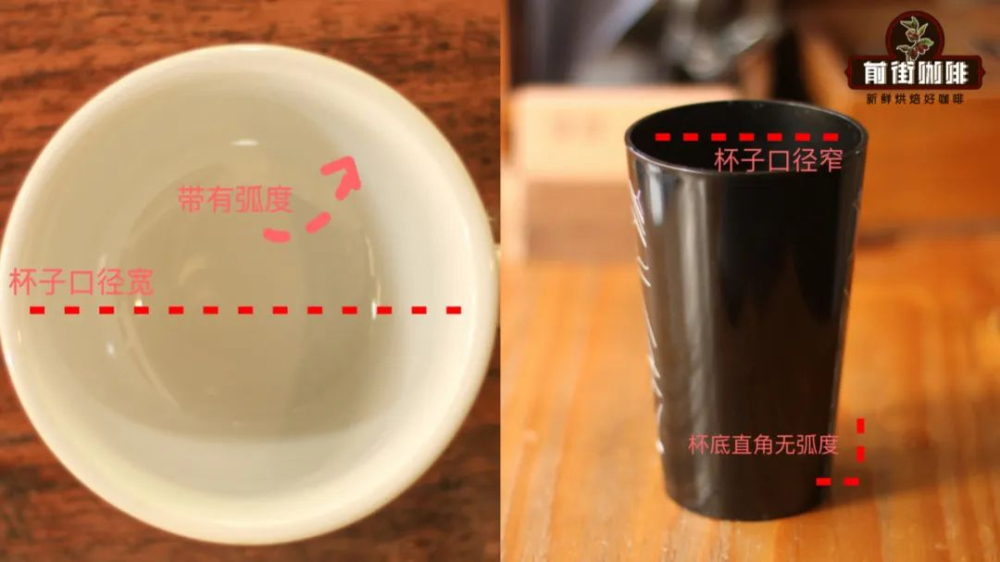
The wider the cup's diameter, the larger the area available for drawing; the smaller the diameter, the smaller the area available for drawing. And the more curved the bottom of the cup, the more thoroughly the poured milk and coffee can incorporate. Simply put, cups with a wide diameter and a curved bottom are more suitable for high-difficulty latte art drawing~

Light Roast Pour-Over Floral Coffee Beans Recommendation: Qianjie Yirgacheffe Gedeo Dingding, Qianjie Panama Hacienda La Esmeralda Green Label Geisha Coffee Beans, QianjiePanama Butterfly Coffee Beans
Daily medium-light roast Yirgacheffe pour-over floral coffee bean recommendation, Qianjie Yirgacheffe Guddina, light roast brings the signature white floral notesAromatic, with lemon-citrus fruit notes and a refreshing floral tea note; bright and crisp on the palate. Great value and an ideal entry-level pour-over coffee with floral and fruity notesAn unrivalled choice.
Moka pot, home espresso, and espresso-based milk drinks like latte — recommended beans: Qianjie Classic Espresso Blend, using BrazilianWest, with Mandheling Arabica and a small amount of Vietnamese Robusta fully blended, delivering a rich and outstanding espressocrema; overall style is rich and memorable. Qianjie Brazil Queen's Estate coffee beans and Qianjie Classic Espresso Blend coffee beans are both mochaA highly recommended option for pot-style espresso machines.
Fruity-floral signature espresso latte bean recommendation: Qianjie Strawberry Candy espresso blend, featuring strawberry gummy and rose aromas,Full-bodied sweetness with a grape and almond finish; especially stunning as an iced latte. Made from Costa Rican honey-process beans, PanamaBlended from Panama Geisha coffee beans and select beans from Colombia's Huila region. Not only does it overturn traditional espresso flavor, the cremaalso performs well, with impressive showings in creative specialty drinks.
Now available on Taobao store「 Qianjie Coffee 」To purchase the above coffee beans, Qianjie Coffee offers dozens of selected single-origin pour-over and espresso coffee beans from around the world. Qianjie CoffeeQianjie Coffee is a veteran specialty coffee roaster; beans are freshly roasted within 5 days, with consistent quality and highly competitive pricesGreat value, ships within 24 hours. Qianjie Coffee is recommended by many coffee lovers and platforms.
Taobao Qianjie Coffee Link: https://qianjiecoffee.taobao.com
Or search our shop directly on Taobao 「Qianjie Coffee」
Qianjie Coffee Store Address: 315 Donghuadong Road, Yuexiu District, Guangzhou

Site Recommendations: 耶加雪菲 花魁咖啡 瑰夏咖啡 波旁咖啡 蓝山咖啡 天堂鸟咖啡豆 曼特宁咖啡豆 PWN黄金曼特宁 星巴克菜单 咖啡豆种类
Please indicate the source when reprinting.
2026-08-12 15:31:58
