The aroma of jasmine is nothing new in coffee—washed Yirgacheffe and Emerald Green Label Geisha often carry similar notes—but truly combining jasmine flowers with coffee involves quite a few considerations in terms of method. For the milk coffee route, the petals can first be steeped in fresh milk, using the milk to draw out the aroma, then blended with the espresso; the cold brew route is better suited to highlighting the fresh, clean floral notes. As for laying the petals directly on the coffee puck for extraction, because the petals are large, they easily affect the density of the coffee bed and instead cause channeling.
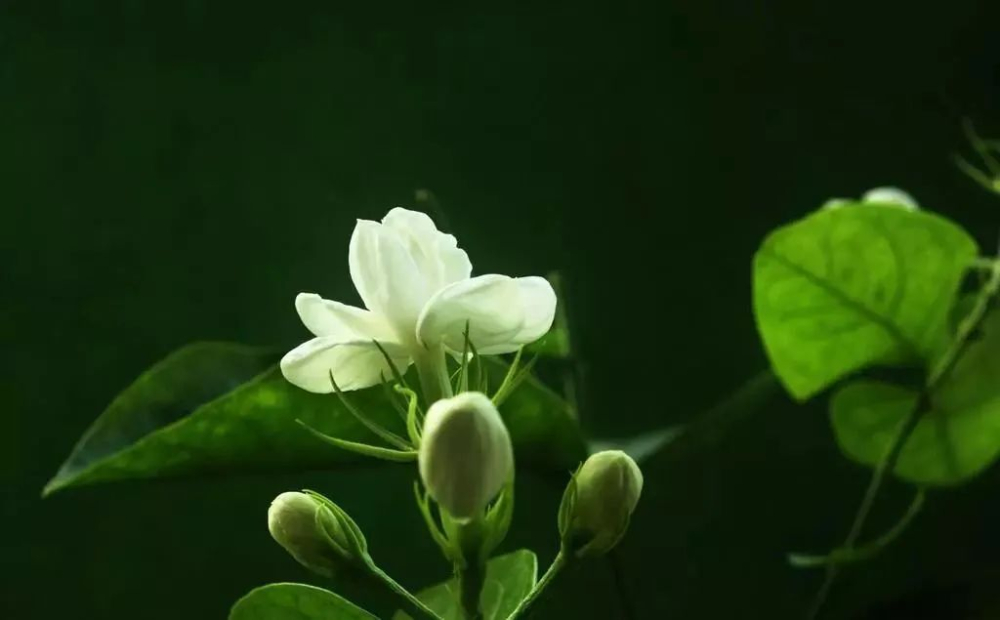
Jasmine has the sweet richness of roses, the delicate serenity of magnolia, and the understated elegance of camellia. Whenever the white buds bloom, the floral fragrance fills the air, refreshing the heart and mind. In coffee, too, we often perceive similar jasmine notes—for example, in washed Yirgacheffe and Emerald Green Label Geisha, where the vivid floral aroma gives the whole cup a touch of "fresh charm."
So Qianjie had a sudden idea: if jasmine flowers were combined directly with coffee, what kind of result would it produce?

Jasmine Milk Coffee
There are many milk coffees that pair well with jasmine—latte, cappuccino, flat white, piccolo, and so on. Qianjie chose a flat white, as the thin microfoam plus the rich, mellow coffee better brings out the floral aroma. As for whether to use fresh flowers or dried flowers, it is recommended to use dried flowers made from blooms picked when fully mature and open; they are easier to store, have a more distinct aroma, and are less likely to turn sour during steeping.
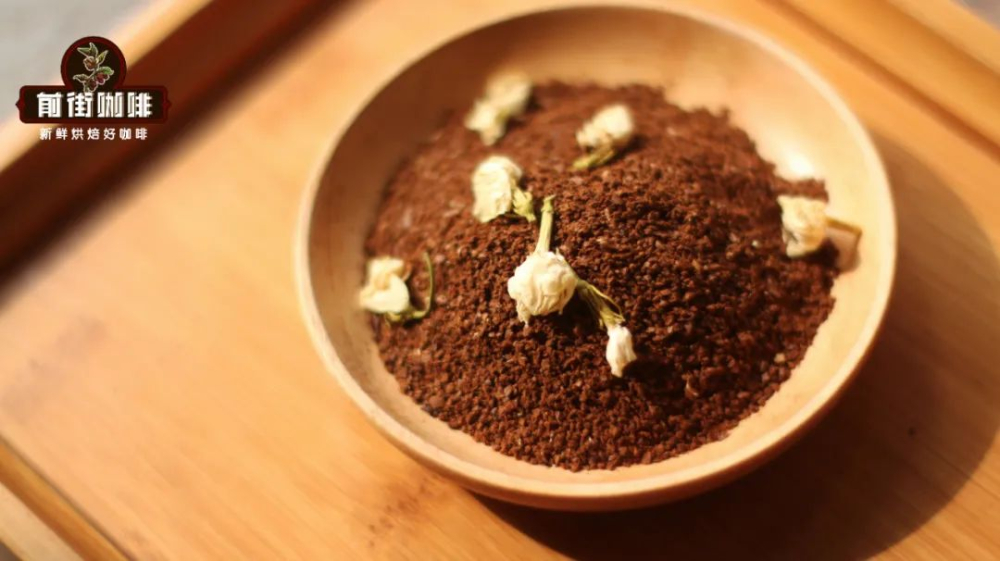
As for how to extract the jasmine aroma, some may think of adding jasmine flowers during espresso extraction, just like the osmanthus coffee Qianjie made before. However, compared with the fine, small dried osmanthus, jasmine petals are much larger. When Qianjie placed them on top of the firmly tamped puck for direct extraction, they affected the density of the puck and caused channeling, resulting in sputtering.
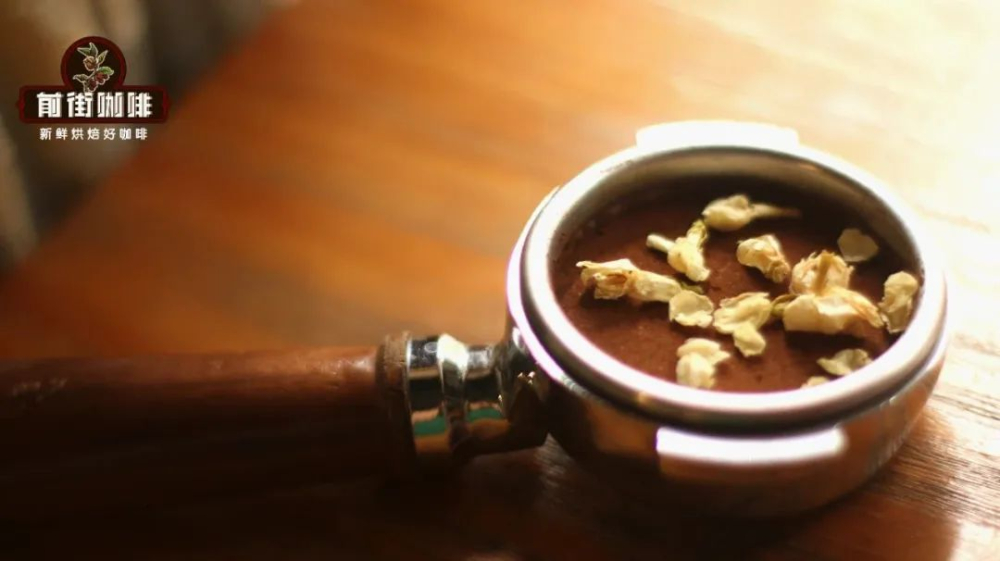
In addition, we should know that espresso extraction lasts only twenty to thirty seconds, so in theory it is very difficult to capture most of the jasmine aroma. Therefore, Qianjie instead added the jasmine petals to fresh milk, using the milk to infuse the floral fragrance, and finally blended it with the espresso.
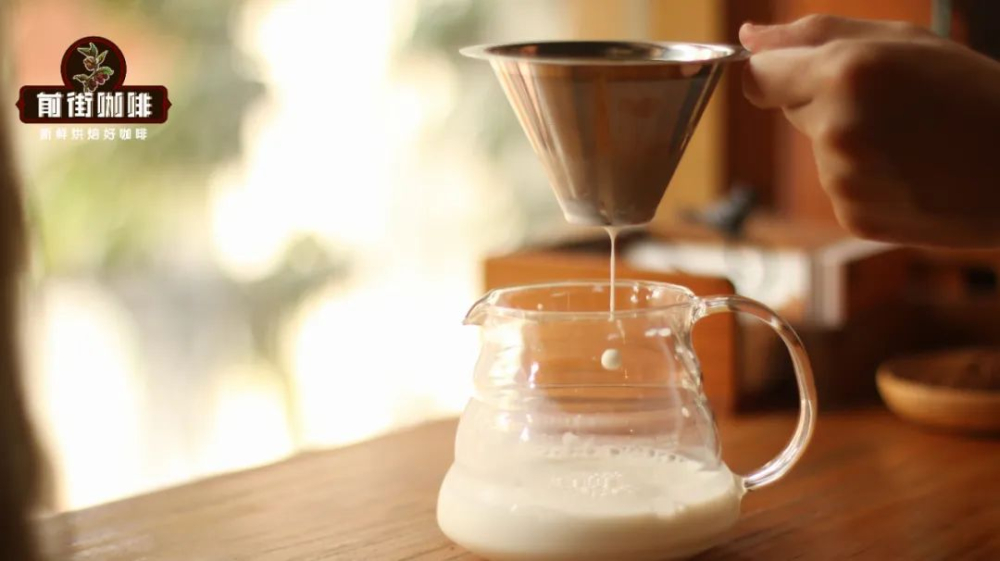
First take 150 ml of chilled fresh milk, add 0.8–1 g of dried jasmine flowers, stir so the milk fully soaks the petals, then place it in the refrigerator. After steeping for 4–5 hours, filter out the petals and pour the milk into a milk pitcher for later use. For the espresso part, Qianjie followed the day's dial-in parameters, using 20 g of Warm Sun blend coffee grounds to extract a double Ristretto, that is, 25 g of coffee liquid in 22 seconds. Finally, steam the milk prepared earlier to a thin microfoam at 50–55°C, then combine the two and pour latte art, and sprinkle a few petals on top for decoration. A cup of jasmine flat white is done!
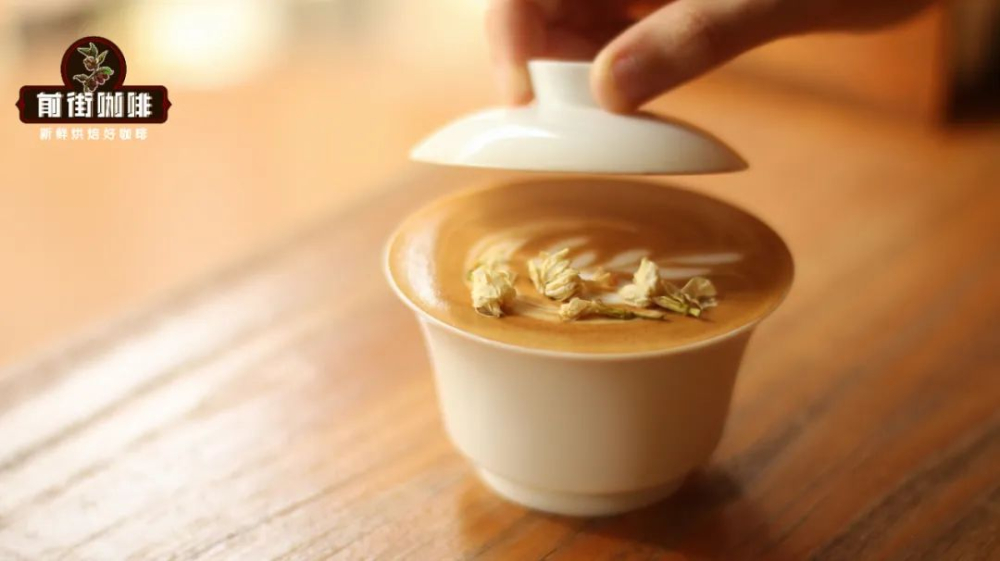
Before the coffee even reaches the mouth, you can smell a faint white floral note. On the palate it has the texture of vanilla-chocolate milk, with the rock-sugar sweetness of jasmine and the aroma of oolong tea, and after swallowing, the floral aftertaste still lingers in the mouth. In Qianjie's view, using fruit-forward beans to make jasmine milk coffee should produce even better results, so everyone might as well give it a try.
Jasmine Cold Brew
Compared with espresso-based coffee, recreating jasmine cold brew at home is much simpler. We only need to choose our favorite type of coffee beans, then find the right ratio of coffee grounds, flowers, and water and the right grind size, wait one night, filter out the coffee grounds with filter paper, and then add ice to taste—and it's done.

Considering that jasmine tea mainly provides aroma and has a relatively thin taste, for the cold brew we can choose light-to-medium roast coffee beans with a flavor profile pointing toward floral and fruity notes. After a long steeping time, the floral and fruity notes complement each other and present a rich mouthfeel. For pairing with jasmine, first choice goes to washed beans with bright fruit acidity. You can buy Qianjie Kenya Little Tomato, Qianjie Panama Boquete Geisha, or Qianjie Gedinding Cooperative, or you can also try natural beans with soft fruity notes, with first choices such as Qianjie Red Cherry and Qianjie Huakui.

Coffee beans: 30 g natural Butterfly Flower, grind size: 85% passing a No. 20 standard sieve (EK43s setting 9.5), coffee-to-water ratio: 1:10, jasmine flowers: 1.5 g, steeping time: 6–8 hours. Here Qianjie used Panama natural Butterfly Flower; the ripe coffee cherries were dried in the sun and showed citrus, honey, and grape fruity notes in cupping. The cold brew made by pairing it with jasmine presents natural light floral notes and a round black-tea sensation, very refreshing.
Jasmine Pour-Over
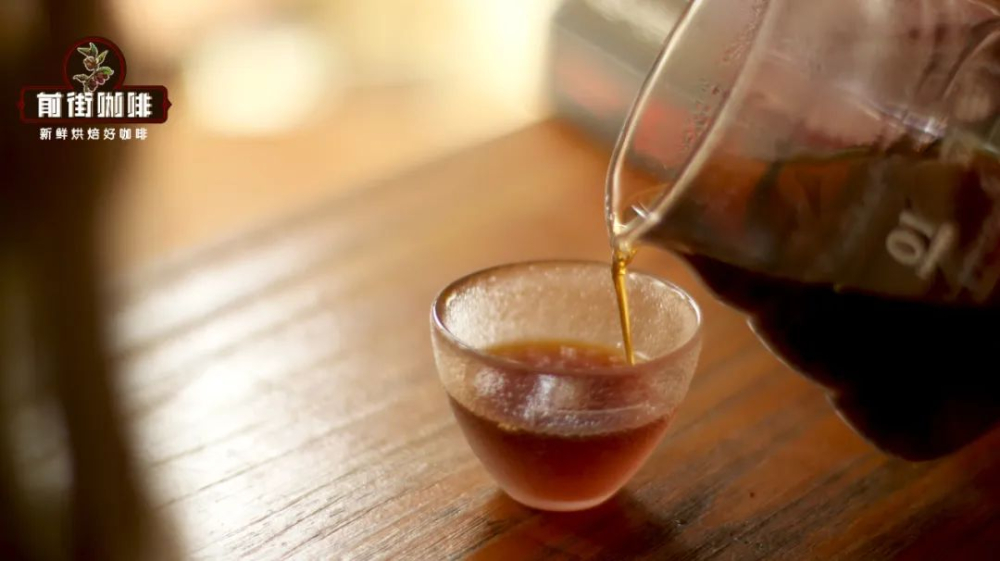
Pour-over has an extraction time of about 2 minutes. Under repeated rinsing with hot water, the jasmine flowers will gradually release their aroma as they are agitated by the water flow, so Qianjie adds only about 5–6 flowers to ensure that the coffee retains its own character while also gaining a touch of elegant floral fragrance.
Brewing parameters: 15 g coffee, coffee-to-water ratio 1:15, grind size: EK43s setting 10 (80% passing China No. 20 standard sieve), water temperature: 91°C, dripper: V60, brewing method: three-pour.
Flavor of jasmine + natural Butterfly Flower pour-over: on entry, a juice-like sensation of peach and citrus, with a little sweetness of dried fruit, accompanied by the subtle fragrance brought by jasmine—like drinking a cup of jasmine-flavored fruit tea.

Light Roast Pour-Over Floral Coffee Beans Recommendation: Qianjie Yirgacheffe Gedeo Dingding, Qianjie Panama Hacienda La Esmeralda Green Label Geisha Coffee Beans, QianjiePanama Butterfly Coffee Beans
Daily medium-light roast Yirgacheffe pour-over floral coffee bean recommendation, Qianjie Yirgacheffe Guddina, light roast brings the signature white floral notesAromatic, with lemon-citrus fruit notes and a refreshing floral tea note; bright and crisp on the palate. Great value and an ideal entry-level pour-over coffee with floral and fruity notesAn unrivalled choice.
Moka pot, home espresso, and espresso-based milk drinks like latte — recommended beans: Qianjie Classic Espresso Blend, using BrazilianWest, with Mandheling Arabica and a small amount of Vietnamese Robusta fully blended, delivering a rich and outstanding espressocrema; overall style is rich and memorable. Qianjie Brazil Queen's Estate coffee beans and Qianjie Classic Espresso Blend coffee beans are both mochaA highly recommended option for pot-style espresso machines.
Fruity-floral signature espresso latte bean recommendation: Qianjie Strawberry Candy espresso blend, featuring strawberry gummy and rose aromas,Full-bodied sweetness with a grape and almond finish; especially stunning as an iced latte. Made from Costa Rican honey-process beans, PanamaBlended from Panama Geisha coffee beans and select beans from Colombia's Huila region. Not only does it overturn traditional espresso flavor, the cremaalso performs well, with impressive showings in creative specialty drinks.
Now available on Taobao store「 Qianjie Coffee 」To purchase the above coffee beans, Qianjie Coffee offers dozens of selected single-origin pour-over and espresso coffee beans from around the world. Qianjie CoffeeQianjie Coffee is a veteran specialty coffee roaster; beans are freshly roasted within 5 days, with consistent quality and highly competitive pricesGreat value, ships within 24 hours. Qianjie Coffee is recommended by many coffee lovers and platforms.
Taobao Qianjie Coffee Link: https://qianjiecoffee.taobao.com
Or search our shop directly on Taobao 「Qianjie Coffee」
Qianjie Coffee Store Address: 315 Donghuadong Road, Yuexiu District, Guangzhou

Site Recommendations: 耶加雪菲 花魁咖啡 瑰夏咖啡 波旁咖啡 蓝山咖啡 天堂鸟咖啡豆 曼特宁咖啡豆 PWN黄金曼特宁 星巴克菜单 咖啡豆种类
Please indicate the source when reprinting.
2026-08-16 17:52:59
