The original design intent of drip bag coffee is to let people enjoy a cup of drip-filtered coffee without hauling out a whole set of equipment—just a cup and hot water are enough. But in practice, many people complain that what they brew comes out both weak and bitter, and the reason is often overlooked: the cup is too narrow or too short, so the water flow cannot evenly saturate the coffee bed, and extraction naturally becomes unbalanced. Drip bags are mostly Arabica varieties, and the flavor profiles of dark roast and light roast differ noticeably. If you like floral and fruity notes, choose light roast; if you prefer the mellow, sweet aftertaste of nuts and caramel, choose dark roast. Pick the right beans and pair them with a suitable cup shape, and the taste will be much more stable.

I believe everyone has stocked up enough coffee drip bags for the upcoming National Day holiday, so that during the long break, free from the constraints of complicated brewing equipment and parameters, you can have a period of mental relaxation in the year and drink black coffee in the simplest way!
This is also the original intent of the drip bag's designers: they hoped people could drink a cup of pour-over-style drip coffee without spending a lot of effort. No excessive coffee equipment is needed, nor are overly precise parameters—just a cup, a pot of hot water, and a pack of drip coffee can shoulder the important task of making drip-filtered coffee.
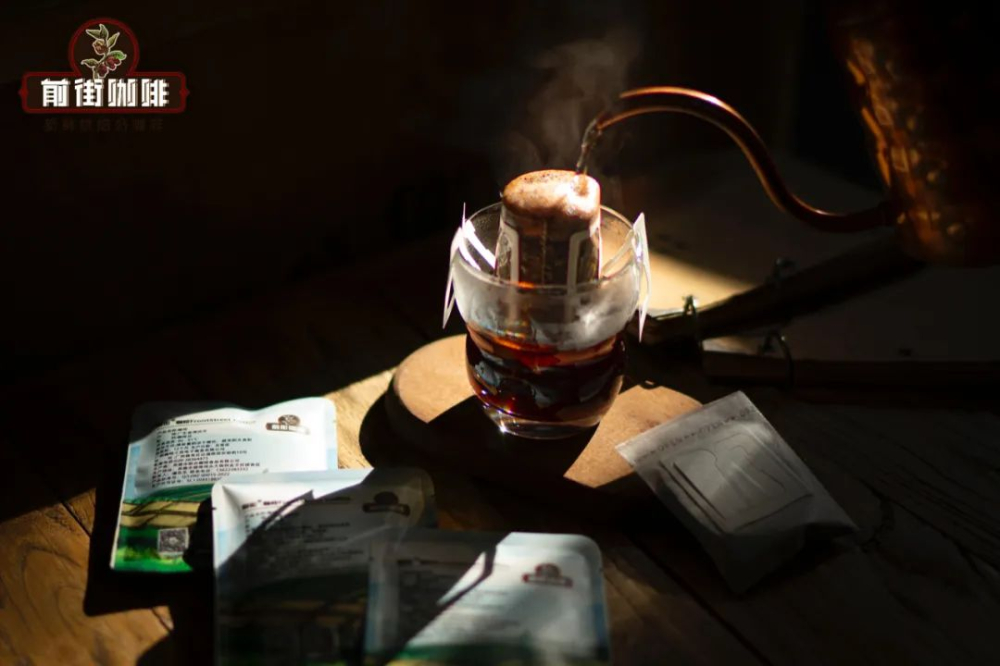
There isn't much technique to buying drip bags; it's mainly about following your own taste. Most of the drip bags we drink are Arabica varieties, and after roasting they fall into two main categories: dark roast and light roast. If you like floral and fruity types, buy Qianjie Yirgacheffe drip bags, Qianjie Huakui drip bags, or Qianjie Geisha drip bags;

If you usually prefer rich, bitter coffee, it's best to try Qianjie Mandheling drip bags, Qianjie Blue Mountain No. 1 drip bags, or Qianjie Brazil seasonal drip bags. The black coffee they brew gives off distinct nutty and caramel aromas, is mellow with a sweet aftertaste, and is very suitable for people who dislike acidity.

But many friends, without an electronic scale, simply place the drip bag on any cup and then use high-temperature hot water for a long soak. The result of doing this is that it's hard to get drip coffee in an ideal state; instead, there's a high probability the coffee will go in two negative directions: one is that because too much water is poured, the coffee tastes thin; the other is that because the soaking time is too long, it becomes over-extracted and tastes very bitter!
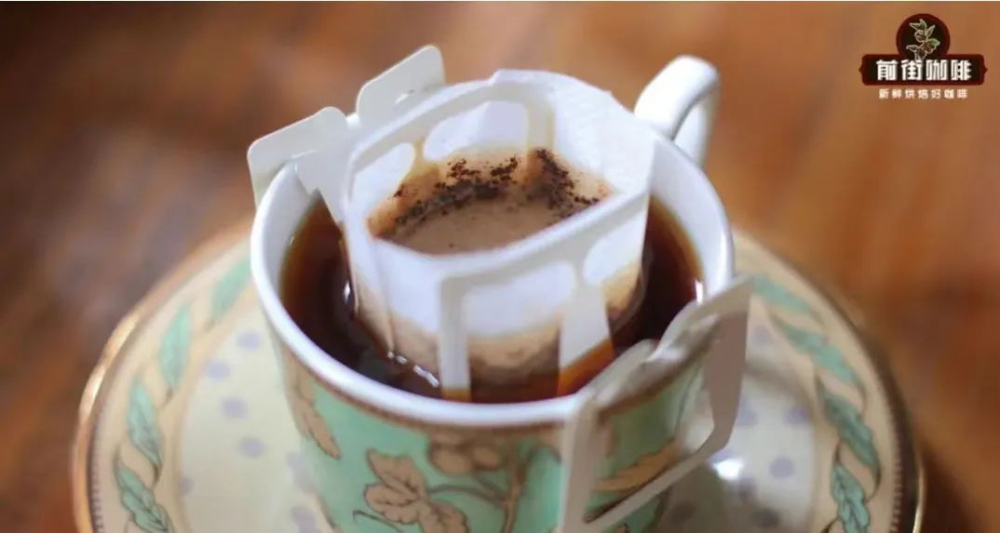
So! We can avoid the errors caused by the lack of an electronic scale and temperature-control equipment—and thus avoid brewing bad coffee—by observing the cup's appearance and capacity. After all, no matter how simple it is, we still need some quality!
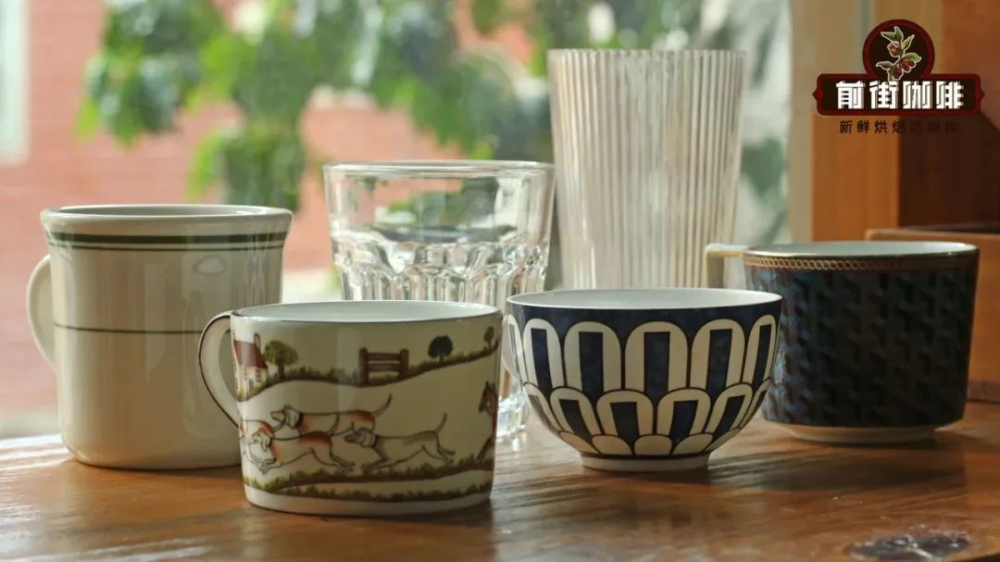
The cup's capacity
We can first find out the capacity of the cup we're using, then, combined with the standard coffee-to-water ratio, determine to what level in the cup the hot water needs to be poured to reach the target water amount and ultimately extract a suitable concentration.
In general coffee extraction, 1:15 is a commonly used coffee-to-water ratio, and the resulting coffee concentration is fairly suitable. The powder amount in Qianjie's drip bags is 10g, which converts to 150ml of hot water.
If the cup used has a capacity of 400ml, we only need to pour water to a little above one-third of the cup's total height to get a cup of coffee with the proper concentration~ If it's a 300ml cup, pour to half the cup, and the water amount can be controlled at around 150ml. You can judge by analogy in the same way.
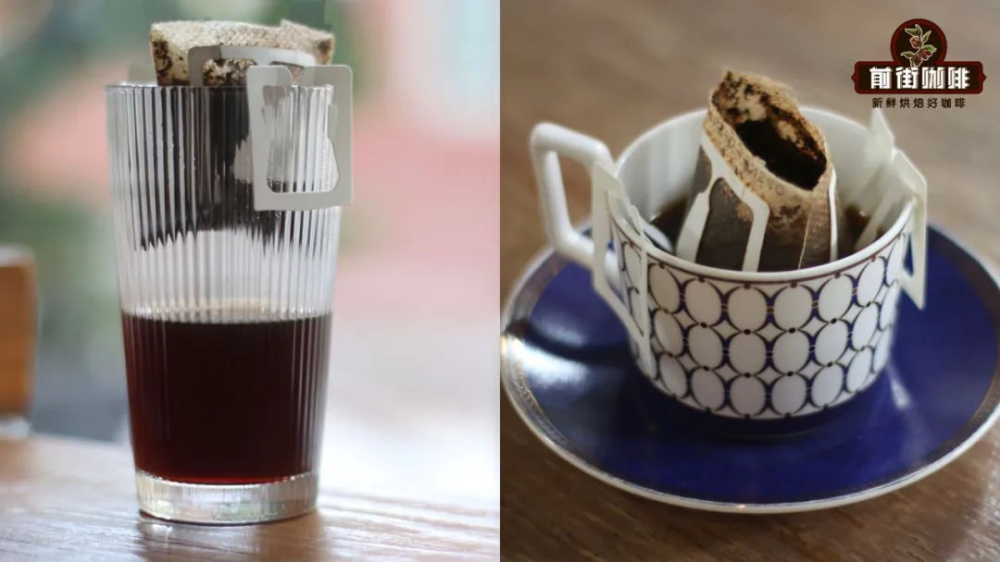
The cup's shape
Because cups come in different shapes, their capacities and heights are also inconsistent. These factors will directly cause the drip bag to be soaked to varying degrees during brewing!
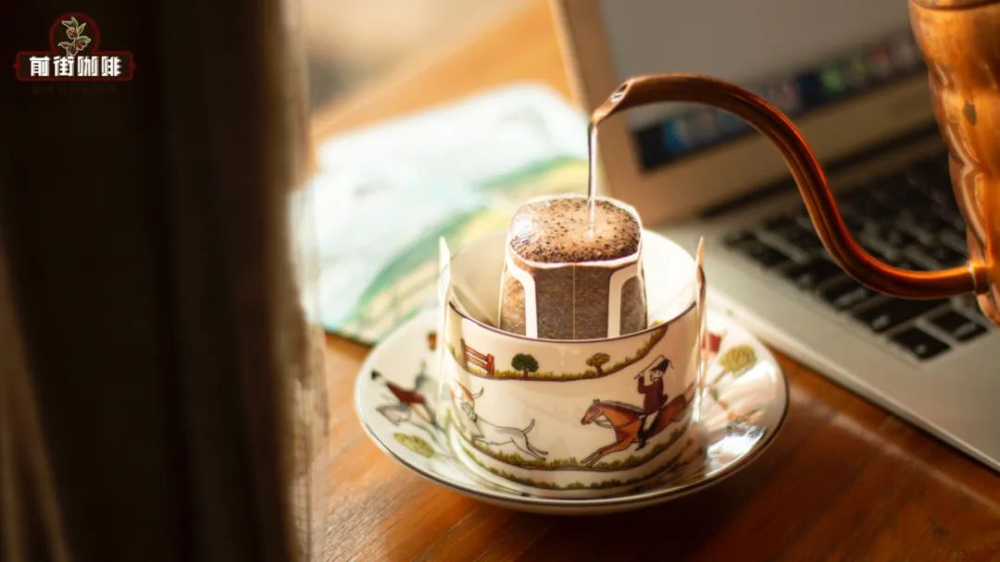
For example, with some shorter cups, because the cup body isn't tall, the drip bag can directly touch the bottom of the cup. When hot water is poured in, this causes it to be directly soaked by the hot water at the bottom, which easily over-extracts the coffee. In this case, we need to slightly lower the water temperature used for brewing to weaken the extraction strength of the hot water.
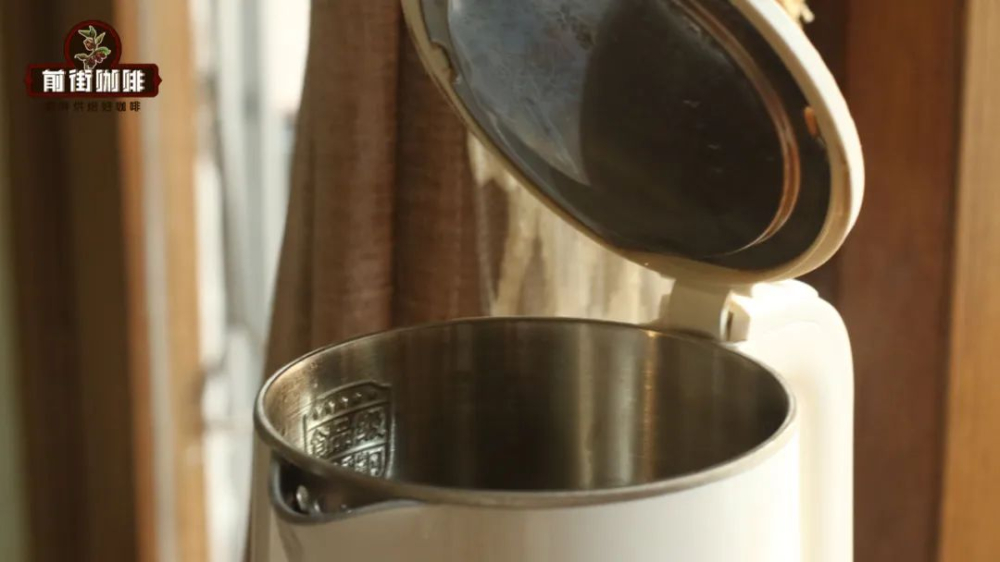
Qianjie suggests boiling the water directly to a rolling boil, then removing the lid and letting it sit for 120 seconds; the water temperature will drop to around 90°C. Brewing with hot water at this temperature can reduce the chance of over-extraction while preserving the flavor.
As for those tall, large-capacity cups, even after pouring in the appropriate amount of hot water, the water in the cup won't soak the drip bag because the water level isn't high enough. In that case, we can brew and extract with a slightly higher water temperature; the range of 92–94°C is a good choice.
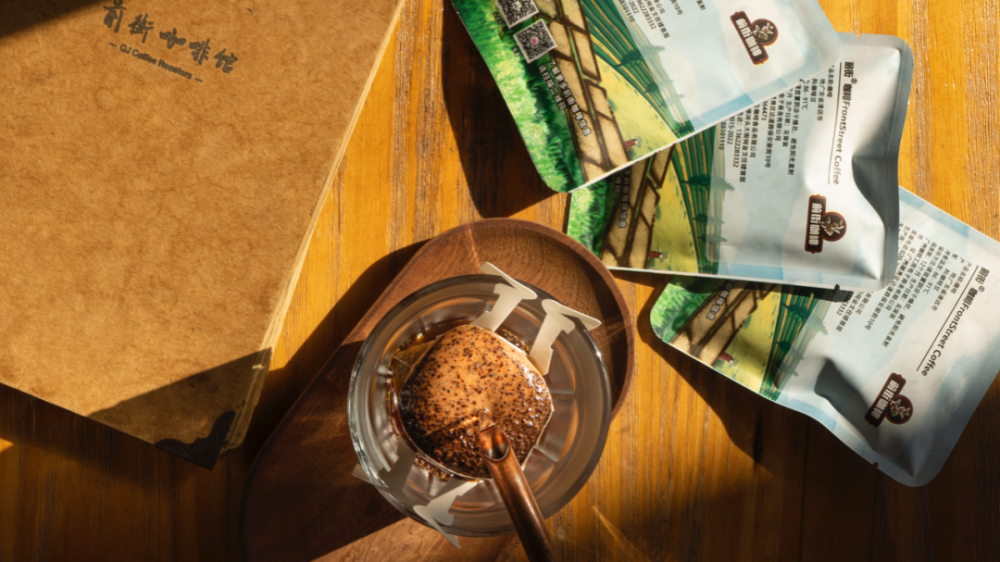
If there are other tools around, we can also use them as aids! For example, items like chopsticks, spoons, and toothpicks—friends who don't have a fine-spout hot water kettle can use them as stirring sticks. When pouring in hot water, stir in circles at the center of the drip bag; this can effectively increase the coffee flavor extracted~

Light Roast Pour-Over Floral Coffee Beans Recommendation: Qianjie Yirgacheffe Gedeo Dingding, Qianjie Panama Hacienda La Esmeralda Green Label Geisha Coffee Beans, QianjiePanama Butterfly Coffee Beans
Daily medium-light roast Yirgacheffe pour-over floral coffee bean recommendation, Qianjie Yirgacheffe Guddina, light roast brings the signature white floral notesAromatic, with lemon-citrus fruit notes and a refreshing floral tea note; bright and crisp on the palate. Great value and an ideal entry-level pour-over coffee with floral and fruity notesAn unrivalled choice.
Moka pot, home espresso, and espresso-based milk drinks like latte — recommended beans: Qianjie Classic Espresso Blend, using BrazilianWest, with Mandheling Arabica and a small amount of Vietnamese Robusta fully blended, delivering a rich and outstanding espressocrema; overall style is rich and memorable. Qianjie Brazil Queen's Estate coffee beans and Qianjie Classic Espresso Blend coffee beans are both mochaA highly recommended option for pot-style espresso machines.
Fruity-floral signature espresso latte bean recommendation: Qianjie Strawberry Candy espresso blend, featuring strawberry gummy and rose aromas,Full-bodied sweetness with a grape and almond finish; especially stunning as an iced latte. Made from Costa Rican honey-process beans, PanamaBlended from Panama Geisha coffee beans and select beans from Colombia's Huila region. Not only does it overturn traditional espresso flavor, the cremaalso performs well, with impressive showings in creative specialty drinks.
Now available on Taobao store「 Qianjie Coffee 」To purchase the above coffee beans, Qianjie Coffee offers dozens of selected single-origin pour-over and espresso coffee beans from around the world. Qianjie CoffeeQianjie Coffee is a veteran specialty coffee roaster; beans are freshly roasted within 5 days, with consistent quality and highly competitive pricesGreat value, ships within 24 hours. Qianjie Coffee is recommended by many coffee lovers and platforms.
Taobao Qianjie Coffee Link: https://qianjiecoffee.taobao.com
Or search our shop directly on Taobao 「Qianjie Coffee」
Qianjie Coffee Store Address: 315 Donghuadong Road, Yuexiu District, Guangzhou

Site Recommendations: 耶加雪菲 花魁咖啡 瑰夏咖啡 波旁咖啡 蓝山咖啡 天堂鸟咖啡豆 曼特宁咖啡豆 PWN黄金曼特宁 星巴克菜单 咖啡豆种类
Please indicate the source when reprinting.
2026-08-06 15:39:27
