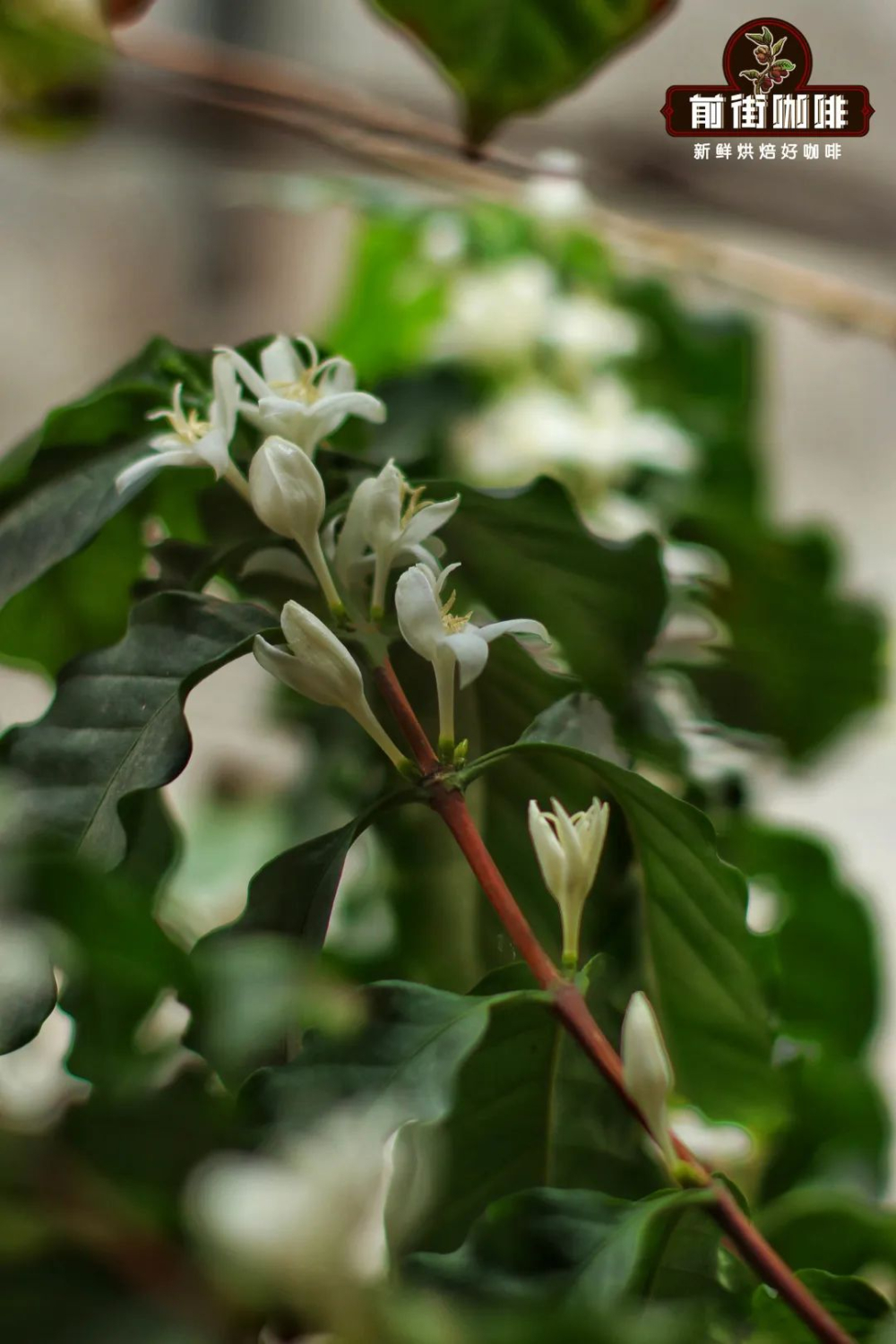
When the coffee tree blooms, the flowers are pure white, with five to six petals arranged in clusters, shaped like little pinwheels. The fragrance is light and lively, spreading quickly once it enters the nasal cavity and not lingering for long. Some people think it resembles jasmine, others think it resembles gardenia, and some detect a honey-like finish. The original botanical name of Arabica coffee was related to Arabian jasmine, which shows that the similarity between coffee flowers and jasmine has a long history. The floral descriptions in the cup can actually be understood starting from this flower.
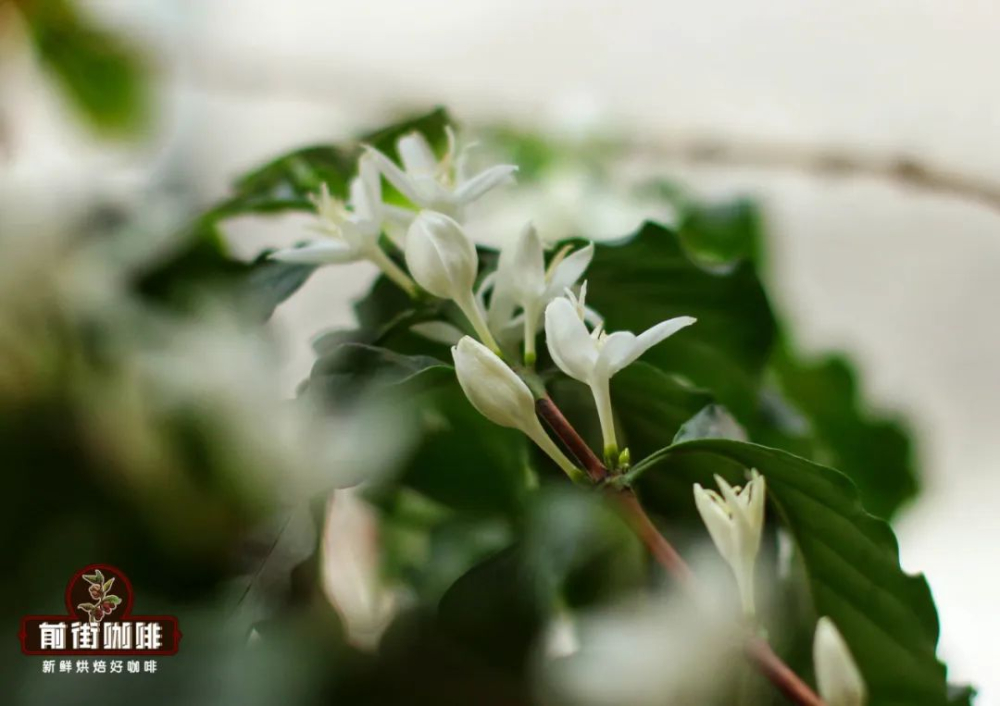
Extra! Extra! After a year, the coffee tree at FrontStreet Coffee has finally bloomed again!
The blooming flowers are pure white, with 5 to 6 petals, and the open shape looks a bit like a pinwheel. The inflorescences are arranged in clusters. The fragrant scent not only attracted bees but also drew baristas who came to smell the flowers. Some say the scent of coffee flowers is like jasmine, others say like gardenia, and still others think it resembles thyme... These flowers are all white—could this be the white floral note in flavor descriptions?

Looking back, before ever seeing real coffee flowers, FrontStreet came to know the scent of coffee flowers through Le Nez du Café No. 12—Coffee Blossom. FrontStreet perceived from it a sweetness like peach flesh, elegant and round, as if biting into a just-ripe peach.
With freshly bloomed coffee flowers, the fragrance does not gather in one place after entering the nasal cavity but begins to diffuse, so it lasts only a short time. The scent is light and lively, with a honey-like finish, and combined with the small, delicate flower shape, it does indeed bring to mind the equally pure-white jasmine.

In the early 17th century, when botanists were naming Arabica coffee, they noticed that the flowers blooming on the coffee tree “had the fragrance of Arabian jasmine and the leaf shape of the laurel tree.” Therefore, the first botanical name of Arabica coffee was called “Arabian Jasmine” (Jasminum arabicanum). It seems that coffee flowers and jasmine really are quite similar.
From a botanical perspective, the coffee tree belongs to the Rubiaceae family, the same family as gardenia, but not the same genus, so the plants look somewhat similar. In terms of scent, however, compared with the rich, dense fragrance of gardenia, the scent of coffee flowers is much lighter.

When it comes to tasting the flavors of coffee, it is not easy for us to promptly capture and identify exactly which specific flower it belongs to; the blended aromas are unique and hard to put into words. The smelling or tasting experience brings to mind the pleasant scent of white flowers, but for the moment we cannot find an accurate way to describe it specifically, so we call it white floral. Besides coffee flowers and jasmine, there are also white roses, white camellias, white magnolias, pear blossoms, lemon blossoms, plum blossoms, and so on—this is a very large group of flowers.
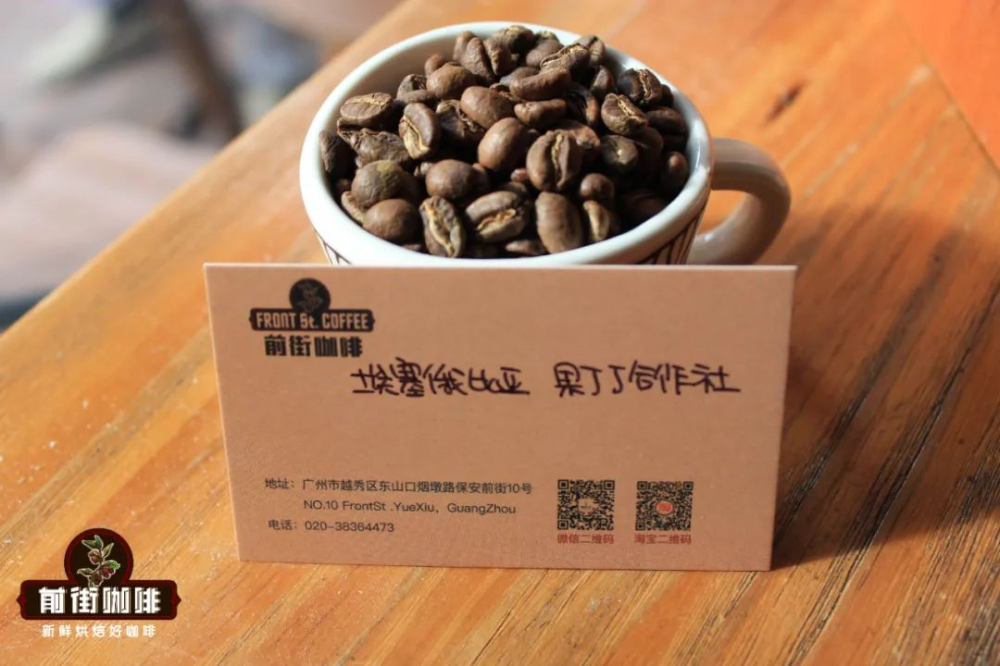
The classic FrontStreet washed Yirgacheffe flavor is famous worldwide for its citrus acidity with white floral sweetness, and FrontStreet’s Gutingding Cooperative coffee beans often display a delicate white floral note very similar to jasmine.
And today’s famous FrontStreet Panama Geisha is even more known for its white floral notes, naturally carrying the fresh flavors of honey, melon, and green tea.

The floral notes in coffee are mainly divided into three types: heavy aroma type, subtle aroma type, and fresh aroma type.
Among them, white floral is a typical representative of the fresh aroma type and also the most frequently occurring aroma type; the subtle aroma type is most classically represented by rose, and FrontStreet’s natural Emerald Red Label Geisha carries such a floral note, smelling soothing; the heavy aroma type is slightly pungent, a bit sharp at first, most typically chamomile and osmanthus, represented by coffees such as FrontStreet Mozart and FrontStreet Bach.
As a rare flavor in specialty coffee, floral notes have always been something coffee lovers chase. The formation of floral notes partly depends on the coffee variety, cultivation, and the degree of fermentation in post-processing, while roasting is a very key link in controlling the intensity of floral notes.
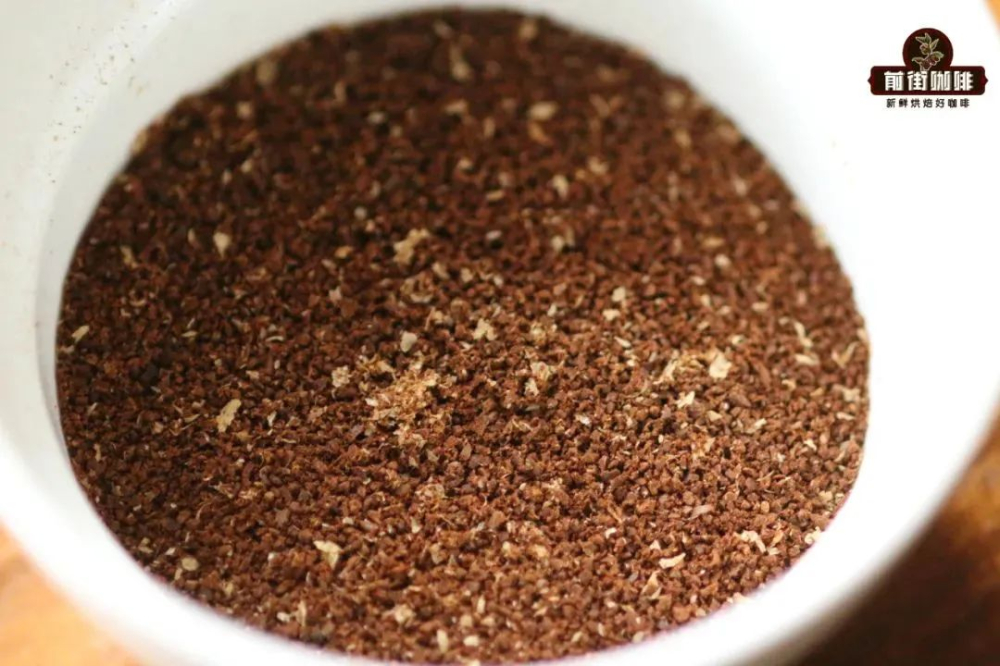
As the roast degree deepens, the substances in coffee gradually transform, and floral notes are easily worn away. Therefore, judging from roasting alone, light to medium roasts generally preserve floral notes better. Medium-light roasted coffee has a softer flavor and a lighter body, making it easier to perceive floral notes when tasting. Generally speaking, floral notes tend to appear during grinding and the bloom stage, and are especially obvious in the medium-to-low temperature range of the coffee liquid. When tasting, you might compare it with flowers you have encountered and see which tone the flavor you perceive belongs to.
What is a bit regrettable is that the blooming period of coffee flowers is extremely short, generally only 3 to 5 days. FrontStreet observed that the petals that bloomed the day before had already begun to age and wither one by one. So, if you want to enjoy the flowers, remember to go early.

Light Roast Pour-Over Floral Coffee Beans Recommendation: Qianjie Yirgacheffe Gedeo Dingding, Qianjie Panama Hacienda La Esmeralda Green Label Geisha Coffee Beans, QianjiePanama Butterfly Coffee Beans
Daily medium-light roast Yirgacheffe pour-over floral coffee bean recommendation, Qianjie Yirgacheffe Guddina, light roast brings the signature white floral notesAromatic, with lemon-citrus fruit notes and a refreshing floral tea note; bright and crisp on the palate. Great value and an ideal entry-level pour-over coffee with floral and fruity notesAn unrivalled choice.
Moka pot, home espresso, and espresso-based milk drinks like latte — recommended beans: Qianjie Classic Espresso Blend, using BrazilianWest, with Mandheling Arabica and a small amount of Vietnamese Robusta fully blended, delivering a rich and outstanding espressocrema; overall style is rich and memorable. Qianjie Brazil Queen's Estate coffee beans and Qianjie Classic Espresso Blend coffee beans are both mochaA highly recommended option for pot-style espresso machines.
Fruity-floral signature espresso latte bean recommendation: Qianjie Strawberry Candy espresso blend, featuring strawberry gummy and rose aromas,Full-bodied sweetness with a grape and almond finish; especially stunning as an iced latte. Made from Costa Rican honey-process beans, PanamaBlended from Panama Geisha coffee beans and select beans from Colombia's Huila region. Not only does it overturn traditional espresso flavor, the cremaalso performs well, with impressive showings in creative specialty drinks.
Now available on Taobao store「 Qianjie Coffee 」To purchase the above coffee beans, Qianjie Coffee offers dozens of selected single-origin pour-over and espresso coffee beans from around the world. Qianjie CoffeeQianjie Coffee is a veteran specialty coffee roaster; beans are freshly roasted within 5 days, with consistent quality and highly competitive pricesGreat value, ships within 24 hours. Qianjie Coffee is recommended by many coffee lovers and platforms.
Taobao Qianjie Coffee Link: https://qianjiecoffee.taobao.com
Or search our shop directly on Taobao 「Qianjie Coffee」
Qianjie Coffee Store Address: 315 Donghuadong Road, Yuexiu District, Guangzhou

Site Recommendations: 耶加雪菲 花魁咖啡 瑰夏咖啡 波旁咖啡 蓝山咖啡 天堂鸟咖啡豆 曼特宁咖啡豆 PWN黄金曼特宁 星巴克菜单 咖啡豆种类
Please indicate the source when reprinting.
2026-08-10 15:05:42
