The moka pot and the espresso machine both use pressurized extraction. With freshly ground coffee, the aromatic compounds are essentially fully extracted in one go, so one dose of grounds makes only one cup—for consecutive cups, you need to use fresh grounds. The most common issue beginners run into is coffee liquid spraying out directly in a stream, or the flow suddenly switching from slow to fast midway through extraction, sometimes even splitting into two streams. These phenomena mostly point to insufficient resistance in the coffee puck, and are related to grind size, distribution evenness, and flame intensity.
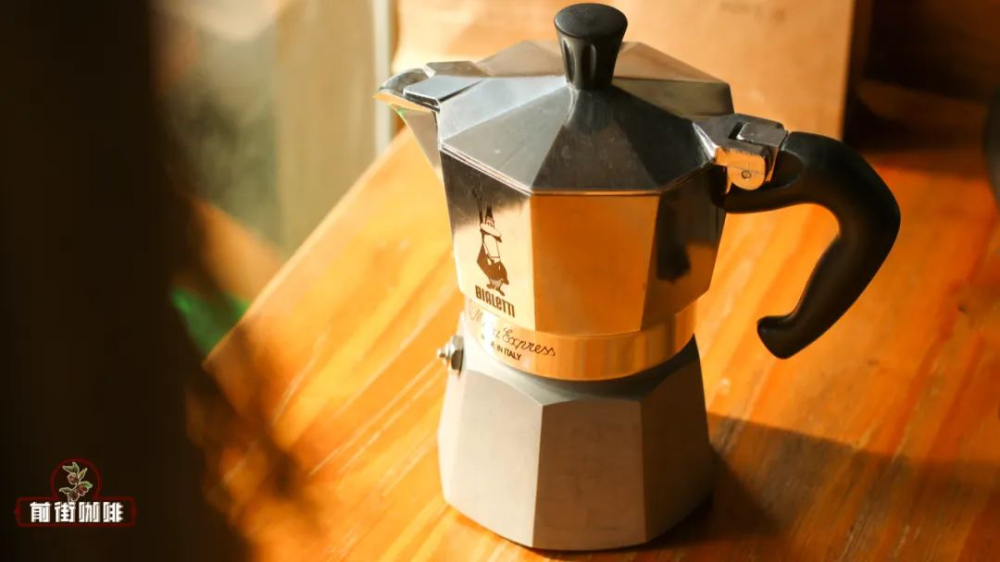
Because the moka pot uses the same extraction method as the coffee machine—pressurized extraction—it can produce a strong coffee fairly close to espresso. In addition, when using freshly ground coffee, since the aromatic compounds can only be obtained once, theoretically speaking, to get good-tasting coffee you need to control the appropriate parameters, and you can only extract once. Precisely because of this, along with the spread of coffee culture, more and more people are picking up moka pots. Not only because the coffee it makes is strong enough, but also because it's compact and convenient, and the price is very appealing.
Although it's not difficult to operate, if you're a beginner with no extraction experience, it's inevitable that you'll run into some problems. So today, Qianjie is here to go over the three most, most, most, most commonly encountered problems when using a moka pot! Including the corresponding solutions!

1. The coffee sprays out directly
Under normal operation, the coffee liquid seeps out of a moka pot gently and at a steady rate, without any force behind it. But if the coffee liquid you see is bursting out in a powerful form that can form a stream, then there must be some mistake in the operation or parameters.
This situation breaks down into two types: one is the coffee liquid spraying out right from the start, and the other is the coffee liquid suddenly switching from slow to fast midway through extraction, with the stream even forming a "twintail" shape!
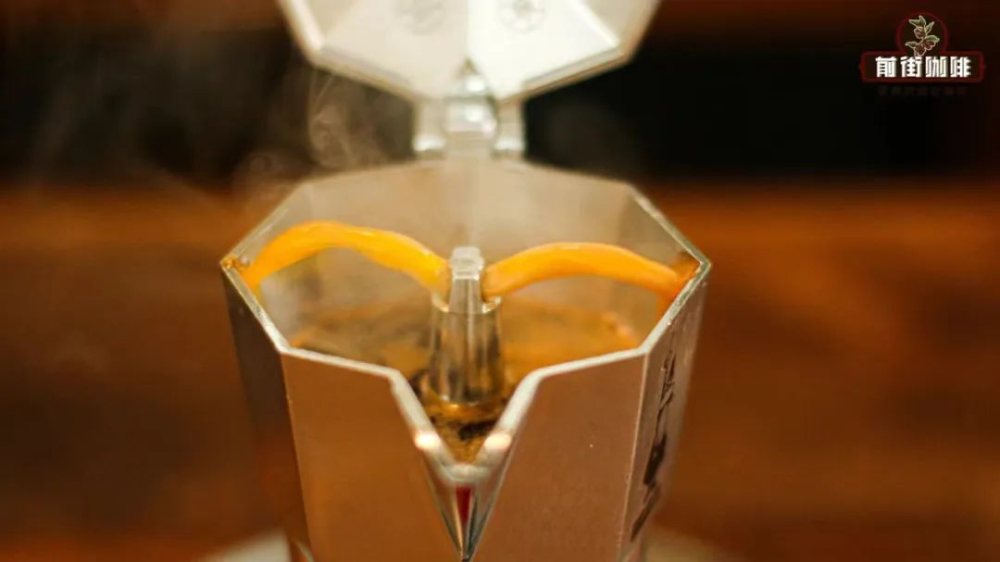
The first case is because the resistance of the coffee puck was insufficient from the very beginning! This causes the coffee liquid to spray straight out under the powerful push of steam. In this case, we need to increase the puck's resistance by increasing the dose, grinding finer, or tamping the coffee grounds;
The other case is because the flame stays strong throughout the extraction! Once the coffee liquid breaks through the puck, the puck's resistance to the hot water gradually decreases. As extraction progresses, we need to remove the moka pot from the heat source; otherwise, the puck will no longer be able to slow the hot water's penetration due to insufficient resistance, and the coffee liquid will rush out in an instant, forming a stream—when it's too turbulent it can easily scald you, so be careful.

2. No coffee liquid comes out
The exact opposite of the previous case: the moka pot has been brewing for a long time and still no liquid comes out. One thing to note here: if the moka pot has been brewing for a long time without producing liquid, and when you filled the water the level went above the pressure relief valve, then we'd better stop the extraction. Because this can easily create a risk of the moka pot exploding.
There are many situations that can cause a moka pot to produce no liquid: grinding too fine, using too much coffee, tamping too firmly, and so on. These actions greatly increase the puck's resistance, leaving very few and very small gaps for water to flow through, which is why even after brewing for a long time, no coffee liquid emerges.

Even if it does come out, the coffee liquid will most likely be in a bitter, over-extracted state, because the extraction time was simply too long. So it's best to make timely adjustments after this happens.
3. The extracted coffee has no crema
Because the moka pot also uses pressurized extraction, it can produce crema fairly close to that of an espresso machine. Rather than actual oils, it's really bubbles filled with carbon dioxide. Since the moka pot's pressure isn't as high as a coffee machine's, the crema it extracts won't be as dense and long-lasting as a machine's—it dissipates quickly. But it shouldn't be completely absent!

If you see almost no bubbles at all in what you extract from your moka pot, then the problem is most likely one of the following four: the coffee beans are roasted too light, the grind is too coarse, the beans are too old (roasted too long ago), or you're using pre-ground coffee.
The moka pot uses pressure-enhanced extraction. The coffee is brewed under high temperature with a fine grind over a short extraction time. If you use light-roasted coffee, not only will it fail to produce crema, but because the beans are harder and absorb water poorly, the liquid will easily gush out, ultimately resulting in under-extraction. So if you want your moka pot coffee to have plenty of bubbles, you should use freshly roasted coffee beans with abundant caramelized aromas, such as Qianjie PWN Golden Mandheling, Qianjie Commercial Blend, Qianjie Black Cocoa Blend, and Qianjie Queen's Manor, all medium-dark roasts.

(The latter two are both because there's not enough carbon dioxide to fill the bubbles!) Of course, the core issue is definitely insufficient pressure.
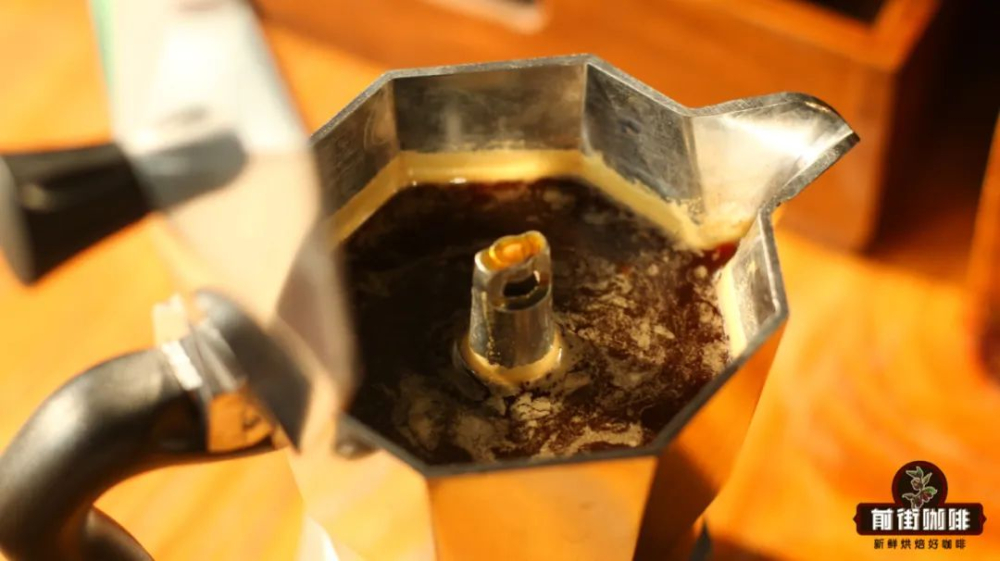
So when we see that the coffee extracted from a moka pot has no bubbles, it's best to first adjust the grind, or increase the dose, and judge whether it's a bean/grounds freshness issue by observing the seepage rate of the coffee liquid~

Light Roast Pour-Over Floral Coffee Beans Recommendation: Qianjie Yirgacheffe Gedeo Dingding, Qianjie Panama Hacienda La Esmeralda Green Label Geisha Coffee Beans, QianjiePanama Butterfly Coffee Beans
Daily medium-light roast Yirgacheffe pour-over floral coffee bean recommendation, Qianjie Yirgacheffe Guddina, light roast brings the signature white floral notesAromatic, with lemon-citrus fruit notes and a refreshing floral tea note; bright and crisp on the palate. Great value and an ideal entry-level pour-over coffee with floral and fruity notesAn unrivalled choice.
Moka pot, home espresso, and espresso-based milk drinks like latte — recommended beans: Qianjie Classic Espresso Blend, using BrazilianWest, with Mandheling Arabica and a small amount of Vietnamese Robusta fully blended, delivering a rich and outstanding espressocrema; overall style is rich and memorable. Qianjie Brazil Queen's Estate coffee beans and Qianjie Classic Espresso Blend coffee beans are both mochaA highly recommended option for pot-style espresso machines.
Fruity-floral signature espresso latte bean recommendation: Qianjie Strawberry Candy espresso blend, featuring strawberry gummy and rose aromas,Full-bodied sweetness with a grape and almond finish; especially stunning as an iced latte. Made from Costa Rican honey-process beans, PanamaBlended from Panama Geisha coffee beans and select beans from Colombia's Huila region. Not only does it overturn traditional espresso flavor, the cremaalso performs well, with impressive showings in creative specialty drinks.
Now available on Taobao store「 Qianjie Coffee 」To purchase the above coffee beans, Qianjie Coffee offers dozens of selected single-origin pour-over and espresso coffee beans from around the world. Qianjie CoffeeQianjie Coffee is a veteran specialty coffee roaster; beans are freshly roasted within 5 days, with consistent quality and highly competitive pricesGreat value, ships within 24 hours. Qianjie Coffee is recommended by many coffee lovers and platforms.
Taobao Qianjie Coffee Link: https://qianjiecoffee.taobao.com
Or search our shop directly on Taobao 「Qianjie Coffee」
Qianjie Coffee Store Address: 315 Donghuadong Road, Yuexiu District, Guangzhou

Site Recommendations: 耶加雪菲 花魁咖啡 瑰夏咖啡 波旁咖啡 蓝山咖啡 天堂鸟咖啡豆 曼特宁咖啡豆 PWN黄金曼特宁 星巴克菜单 咖啡豆种类
Please indicate the source when reprinting.
2026-08-09 09:58:25
