The Geisha variety is quite picky about its growing environment, requiring high altitude, cloud cover or shade trees, and fertile soil in order to develop rich floral aromas, elegant fruity acidity, and a tea-like sweet aftertaste. In 2003, Panama's Hacienda La Esmeralda separated Geisha from among many varieties and cultivated it carefully. The following year, it won the BOP green bean competition, and Geisha became famous overnight, also establishing the estate's position in the specialty coffee world.
How should Geisha coffee be enjoyed? How can Geisha coffee beans from different origins be brewed as pour-over coffee to taste their best?
The charming and refined coffee flavors of Geisha coffee beans keep many coffee lovers thinking about them long after. Because the Geisha variety coffee tree is "picky" about its growing environment and has low yields, its refined flavor naturally comes with a "scarily high" price.
Geisha/Gesha—because the pronunciation is close to the Japanese word "Geisha," some regions call Geisha coffee "Geisha coffee." Although the flavor of Geisha variety coffee beans is refined, this elegant flavor comes from a specific growing environment. The Geisha variety is very "picky" about its growing environment, requiring cultivation in areas with higher altitude, cloud cover or abundant shade trees, and fertile soil in order to have rich and charming floral aromas, refined and elegant fruity acidity, and a tea-like sweet aftertaste.
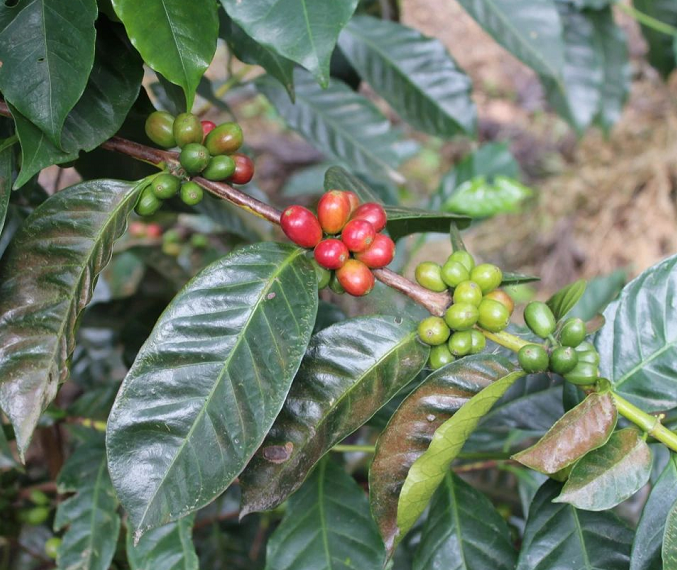
Why are Panama Hacienda La Esmeralda Geisha coffee beans so expensive? First, Hacienda La Esmeralda was the first to discover that Geisha coffee beans have a charming floral aroma. In 2003, they separated the Geisha variety from among many varieties and cared for it meticulously, and in 2004 they participated in the BOP green bean competition and won the championship. Geisha coffee thus became famous overnight, and this also established Hacienda La Esmeralda's position in the specialty coffee world. Second is Hacienda La Esmeralda's high altitude, rich volcanic soil, and planting within windbreak forests. The Panama Geisha variety comes from Ethiopia—it was discovered in 1931 in the Geisha forest of Ethiopia, then sent to the Coffee Research Institute in Kenya, introduced to Uganda and Tanzania in 1936, introduced to Costa Rica in 1953, and introduced to Panama in 1970. When it was first introduced to Panama, because of its low yield, people were unwilling to cultivate it, so it was planted in windbreak forests to block the wind and protect other coffee trees. In Panama, besides Hacienda La Esmeralda planting Geisha coffee, other producing regions also grow it, but because their altitudes are not as high as Hacienda La Esmeralda's, some Panama Geisha flavors are not as refined. But! Panama's soil is covered with volcanic ash, so the land is very fertile. Through cupping multiple Panama Geisha coffee beans from different producing regions, Qianjie found that they all have clear floral aromas, bright and clean acidity, and a honey finish, with rich layers. Through cupping we can learn that Panama Geisha coffee beans have very rich layering, so during brewing the concentration can be slightly lowered to make each layer of flavor clearer. Recommended brewing ratio 1:15.5-1:16, brew at 90-91 degrees Celsius, and for grind size a medium-fine grind is recommended (77% passing rate on the Chinese standard No. 20 sieve).
Costa Rica Geisha coffee beans
From the above spread route of the Geisha variety, Costa Rica began growing Geisha earlier than Panama. Costa Rica's coffee growing areas have volcanic terrain that provides fertile volcanic ash, mild and suitable temperatures, and stable and abundant rainfall—all important factors for Costa Rica's production of excellent coffee. Since Panama Geisha became famous overnight, many Costa Rican coffee estates have also begun growing Geisha coffee beans, especially coffee estates in the Tarrazú producing region. The rich microclimates in the Tarrazú region cause the temperature difference between day and night here to reach 26 degrees Celsius. The huge day-night temperature difference allows coffee cherries to better accumulate nutrients and produce more refined flavors. Through cupping Costa Rica Geisha coffee beans, Qianjie found that their flavor base is similar to Panama's, with floral aromas, a clean lemon acidity, a juicy mouthfeel, and an overall relatively full body. Through cupping we can learn that Costa Rica Geisha coffee beans are relatively full overall, so it is recommended to brew at 91-92 degrees Celsius with a 1:15 coffee-to-water ratio, and for grind size a medium-fine grind is recommended (80% passing rate on the Chinese standard No. 20 sieve).
Ethiopia producing region Geisha coffee beans
Ethiopia's most representative Geisha coffee comes from Gesha Village Estate, which is one of the few estates mainly growing the Geisha variety. Because the Geisha variety planted at Gesha Village belongs to wild Geisha varieties, it is similar in plant and flavor to the Panama Geisha variety we are familiar with, but overall it still does not taste much like Panama Geisha coffee. To distinguish the two Geishas, Gesha Village named Ethiopia's Geisha variety "Gori Gesha" (because this variety was discovered in the Gori Gesha forest). Through cupping Gesha Village's Geisha coffee beans, Qianjie found the coffee flavor is dominated by yellow stone fruit (yellow peach), with medium-high sweetness, and better lots even show a toffee-like flavor. Through cupping we can learn that Ethiopia's Geisha coffee beans have very good sweetness, so during brewing you can use 91-92 degrees Celsius to bring out more sweetness. For grind size, a medium-fine grind is recommended (80% passing rate on the Chinese standard No. 20 sieve), and the recommended brewing ratio is 1:15.
Colombia Geisha coffee beans
Colombia only began introducing Geisha coffee beans from Panama in recent years. Most Colombian coffee growing areas are located in mountainous regions, with rich microclimates, mild temperatures, and flavorful water resources providing a good growing environment for coffee. Through cupping Colombia's Geisha coffee beans, Qianjie found floral aromas, soft acidity of orange/mandarin, honey sweetness, and a tea-like finish. Through cupping we can learn that Colombian coffee beans are relatively soft overall and balanced, so it is recommended to brew at 90-91 degrees Celsius with a 1:15 coffee-to-water ratio, and for grind size a medium-fine grind is recommended (78% passing rate on the Chinese standard No. 20 sieve).
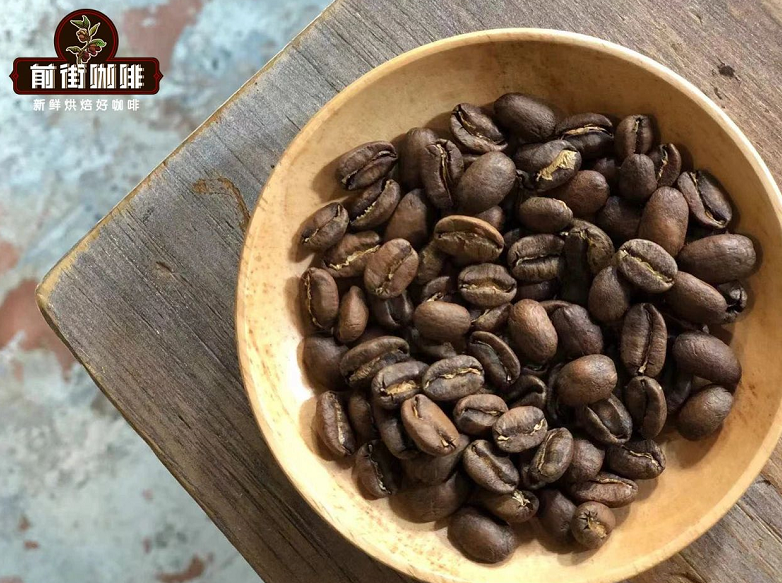

Light Roast Pour-Over Floral Coffee Beans Recommendation: Qianjie Yirgacheffe Gedeo Dingding, Qianjie Panama Hacienda La Esmeralda Green Label Geisha Coffee Beans, QianjiePanama Butterfly Coffee Beans
Daily medium-light roast Yirgacheffe pour-over floral coffee bean recommendation, Qianjie Yirgacheffe Guddina, light roast brings the signature white floral notesAromatic, with lemon-citrus fruit notes and a refreshing floral tea note; bright and crisp on the palate. Great value and an ideal entry-level pour-over coffee with floral and fruity notesAn unrivalled choice.
Moka pot, home espresso, and espresso-based milk drinks like latte — recommended beans: Qianjie Classic Espresso Blend, using BrazilianWest, with Mandheling Arabica and a small amount of Vietnamese Robusta fully blended, delivering a rich and outstanding espressocrema; overall style is rich and memorable. Qianjie Brazil Queen's Estate coffee beans and Qianjie Classic Espresso Blend coffee beans are both mochaA highly recommended option for pot-style espresso machines.
Fruity-floral signature espresso latte bean recommendation: Qianjie Strawberry Candy espresso blend, featuring strawberry gummy and rose aromas,Full-bodied sweetness with a grape and almond finish; especially stunning as an iced latte. Made from Costa Rican honey-process beans, PanamaBlended from Panama Geisha coffee beans and select beans from Colombia's Huila region. Not only does it overturn traditional espresso flavor, the cremaalso performs well, with impressive showings in creative specialty drinks.
Now available on Taobao store「 Qianjie Coffee 」To purchase the above coffee beans, Qianjie Coffee offers dozens of selected single-origin pour-over and espresso coffee beans from around the world. Qianjie CoffeeQianjie Coffee is a veteran specialty coffee roaster; beans are freshly roasted within 5 days, with consistent quality and highly competitive pricesGreat value, ships within 24 hours. Qianjie Coffee is recommended by many coffee lovers and platforms.
Taobao Qianjie Coffee Link: https://qianjiecoffee.taobao.com
Or search our shop directly on Taobao 「Qianjie Coffee」
Qianjie Coffee Store Address: 315 Donghuadong Road, Yuexiu District, Guangzhou

Site Recommendations: 耶加雪菲 花魁咖啡 瑰夏咖啡 波旁咖啡 蓝山咖啡 天堂鸟咖啡豆 曼特宁咖啡豆 PWN黄金曼特宁 星巴克菜单 咖啡豆种类
Please indicate the source when reprinting.
2021-10-12 16:48:21
