After coffee beans are roasted, aroma and flavor compounds are produced. The process of grinding the beans and pouring water to dissolve these components is called "dissolution"; using blooming, stirring, and swirling the sharing carafe to even out the concentration is called "diffusion." Extraction can be roughly divided into three stages: first come the floral notes and fruit acidity, followed by sweetness and caramelized compounds, and finally bitterness and astringency. Coffee that falls within this ideal range is considered golden cup extraction; underextracted coffee is sharp and thin, while overextracted coffee is burnt, bitter, and astringent.
After coffee beans are roasted, aroma and flavor compounds are produced. The process of grinding the beans and pouring water to dissolve these components is called "dissolution," while using blooming, stirring, and shaking the sharing carafe to even out the concentration is called "diffusion." Extraction can be roughly divided into three stages: first come the floral notes and fruit acidity, followed by sweetness and caramelized compounds, and finally bitterness and astringency. Coffee falling within the TDS 1.2—1.4 and extraction yield 18%—22% range is called golden cup extraction; underextracted coffee is sharp and thin, while overextracted coffee is burnt, bitter, and astringent.
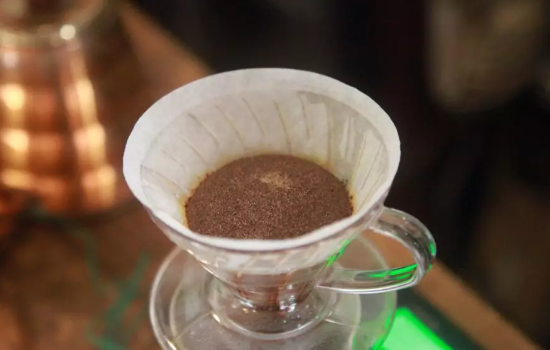
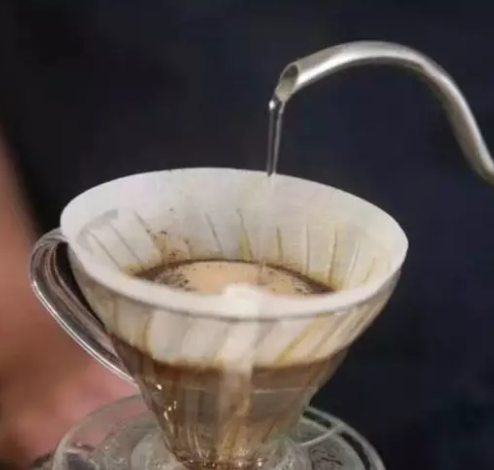
Underextraction
Overextraction

Light Roast Pour-Over Floral Coffee Beans Recommendation: Qianjie Yirgacheffe Gedeo Dingding, Qianjie Panama Hacienda La Esmeralda Green Label Geisha Coffee Beans, QianjiePanama Butterfly Coffee Beans
Daily medium-light roast Yirgacheffe pour-over floral coffee bean recommendation, Qianjie Yirgacheffe Guddina, light roast brings the signature white floral notesAromatic, with lemon-citrus fruit notes and a refreshing floral tea note; bright and crisp on the palate. Great value and an ideal entry-level pour-over coffee with floral and fruity notesAn unrivalled choice.
Moka pot, home espresso, and espresso-based milk drinks like latte — recommended beans: Qianjie Classic Espresso Blend, using BrazilianWest, with Mandheling Arabica and a small amount of Vietnamese Robusta fully blended, delivering a rich and outstanding espressocrema; overall style is rich and memorable. Qianjie Brazil Queen's Estate coffee beans and Qianjie Classic Espresso Blend coffee beans are both mochaA highly recommended option for pot-style espresso machines.
Fruity-floral signature espresso latte bean recommendation: Qianjie Strawberry Candy espresso blend, featuring strawberry gummy and rose aromas,Full-bodied sweetness with a grape and almond finish; especially stunning as an iced latte. Made from Costa Rican honey-process beans, PanamaBlended from Panama Geisha coffee beans and select beans from Colombia's Huila region. Not only does it overturn traditional espresso flavor, the cremaalso performs well, with impressive showings in creative specialty drinks.
Now available on Taobao store「 Qianjie Coffee 」To purchase the above coffee beans, Qianjie Coffee offers dozens of selected single-origin pour-over and espresso coffee beans from around the world. Qianjie CoffeeQianjie Coffee is a veteran specialty coffee roaster; beans are freshly roasted within 5 days, with consistent quality and highly competitive pricesGreat value, ships within 24 hours. Qianjie Coffee is recommended by many coffee lovers and platforms.
Taobao Qianjie Coffee Link: https://qianjiecoffee.taobao.com
Or search our shop directly on Taobao 「Qianjie Coffee」
Qianjie Coffee Store Address: 315 Donghuadong Road, Yuexiu District, Guangzhou

Site Recommendations: 耶加雪菲 花魁咖啡 瑰夏咖啡 波旁咖啡 蓝山咖啡 天堂鸟咖啡豆 曼特宁咖啡豆 PWN黄金曼特宁 星巴克菜单 咖啡豆种类
Please indicate the source when reprinting.
2021-10-09 16:25:55
