The coffee bean itself is the pit of the coffee berry. The purpose of processing methods is to remove the skin, pulp, and pectin mucilage while damaging the beans as little as possible, and then through drying allow the green beans to be stored for a long time. Washed processing relies on fermentation tanks to break down the pectin and then rinses with clean water; natural processing dries the beans together with the pulp; honey processing retains part of the pectin and dries directly, and the flavor expressions of the three thus diverge.

"Is washed processing just washing the coffee beans?"
"Is natural processing just taking the coffee beans out to dry in the sun?"
"Is honey processing adding honey to the coffee beans?"
The meaning of coffee bean processing methods
The coffee bean itself is the pit part of the coffee berry. The purpose of coffee processing methods is to remove the berry's skin, pulp, and pectin mucilage on the premise of damaging the coffee beans as little as possible, and then through final sun-drying/machine drying enable the green coffee beans to be stored for a long time—not simply washing the coffee beans, drying them in the sun, or adding honey~
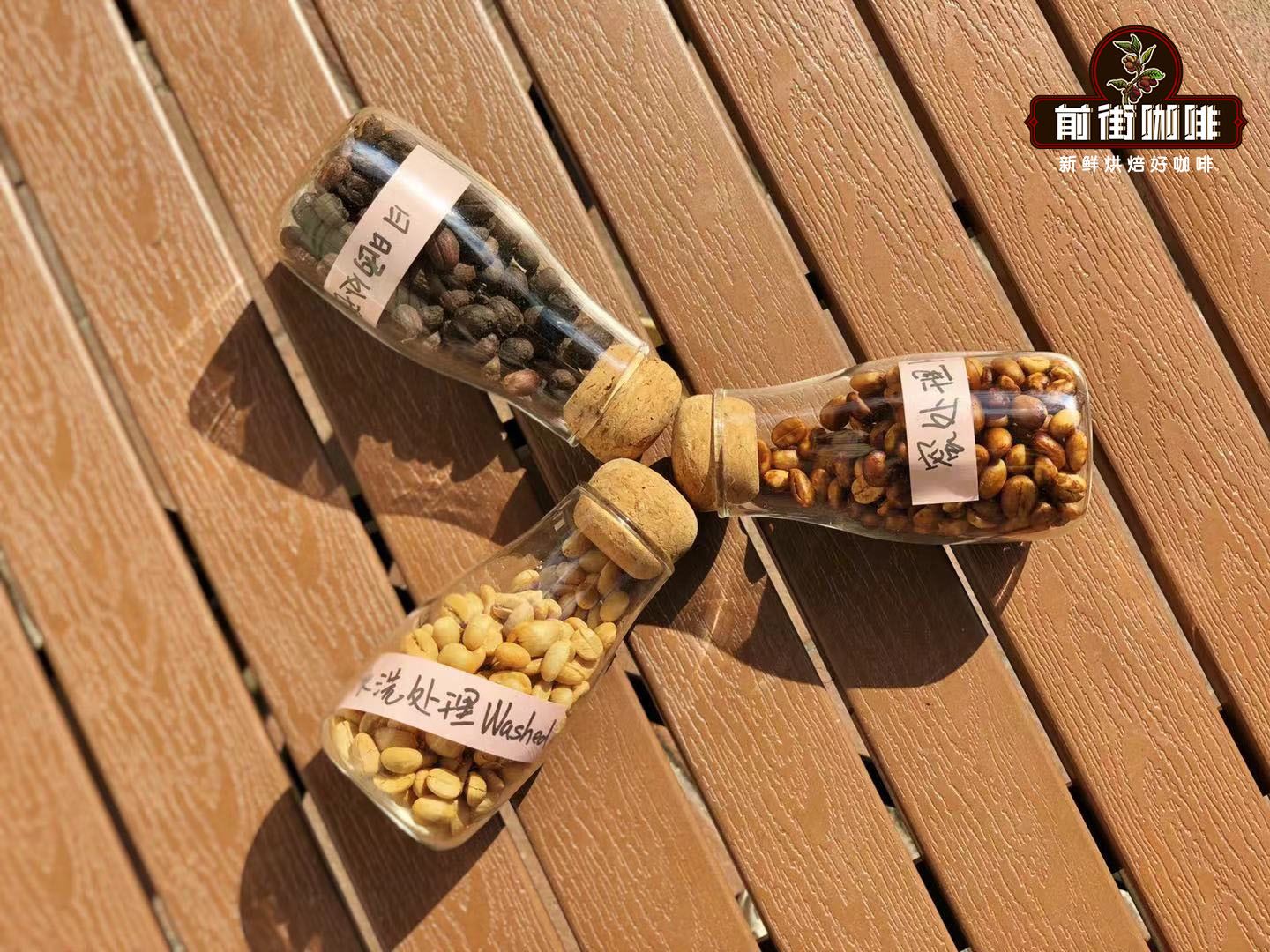
First, let's briefly understand the processing steps of washed, natural, and honey
"Washed processing method" After the coffee fruit is harvested, complete ripe fruits are selected. After the skin and pulp are removed by machine, the coffee beans with pectin mucilage are placed in a fermentation tank with clean water for fermentation. After standing for 12-36 hours, rich microorganisms will form in the fermentation tank and break down the pectin mucilage. After decomposition is complete, wash with a large amount of clean water, dry in the sun until the green coffee beans reach a moisture content of 10%-13%, and then they can be stored~
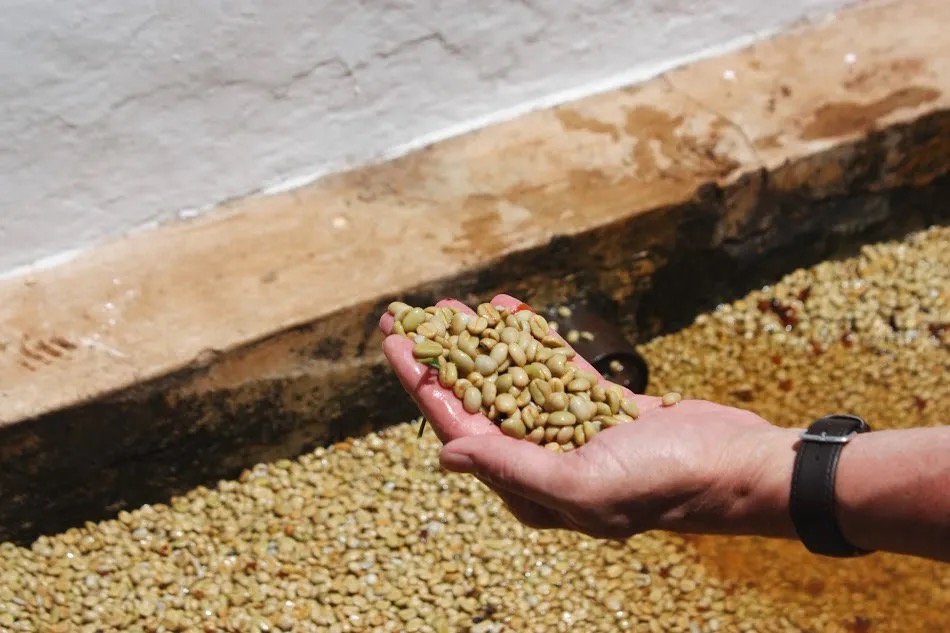
"Natural processing method" After the coffee fruit is harvested, complete ripe fruits are selected and dried in the sun. During this period, they must be constantly turned to avoid uneven drying of the coffee fruit. The drying time generally takes 3-4 weeks. Wait until the coffee fruit becomes hard-shelled and deep red-black, and the green coffee beans reach a moisture content of 10%-13%; then the deep red-black shell can be removed with tools and they can be stored~

"Honey processing method" After the coffee fruit is harvested, complete ripe fruits are selected. The skin and pulp are removed by machine but part of the pectin is retained (black honey does not remove pectin; red honey retains 70%-80% pectin; yellow honey retains 40%-60% pectin; white honey retains 30% pectin), and then sun-drying/shade drying is carried out. The drying time varies with the pectin content. Finally, after drying until the green coffee beans reach a moisture content of 10%-13%, they can be stored~

Distinguishing processing methods by the color and smell of green coffee beans
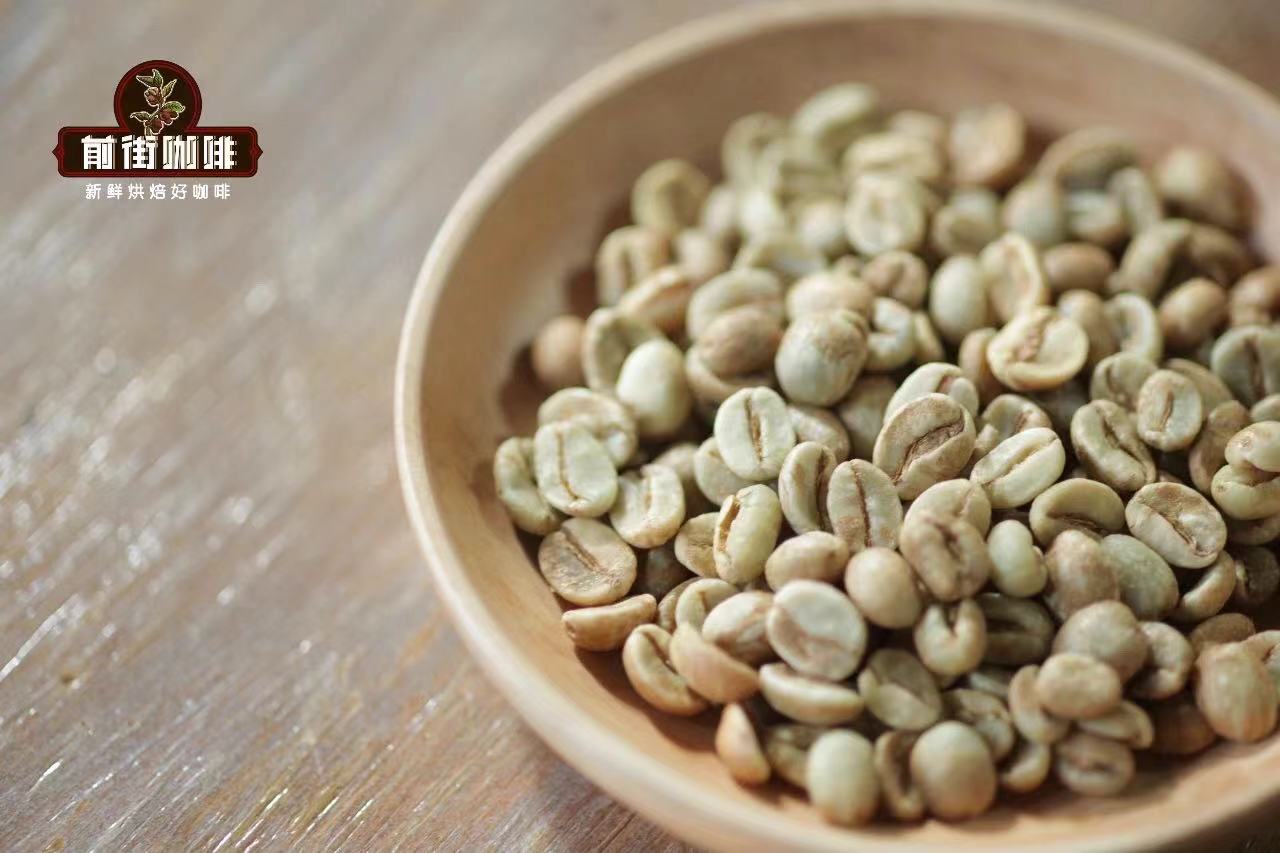
"Washed green coffee beans" Washed green coffee beans appear blue-green, with an incomplete thin film on the surface (coffee bean silver skin), giving off the acidic aroma of citrus fruits and the scent of grass.
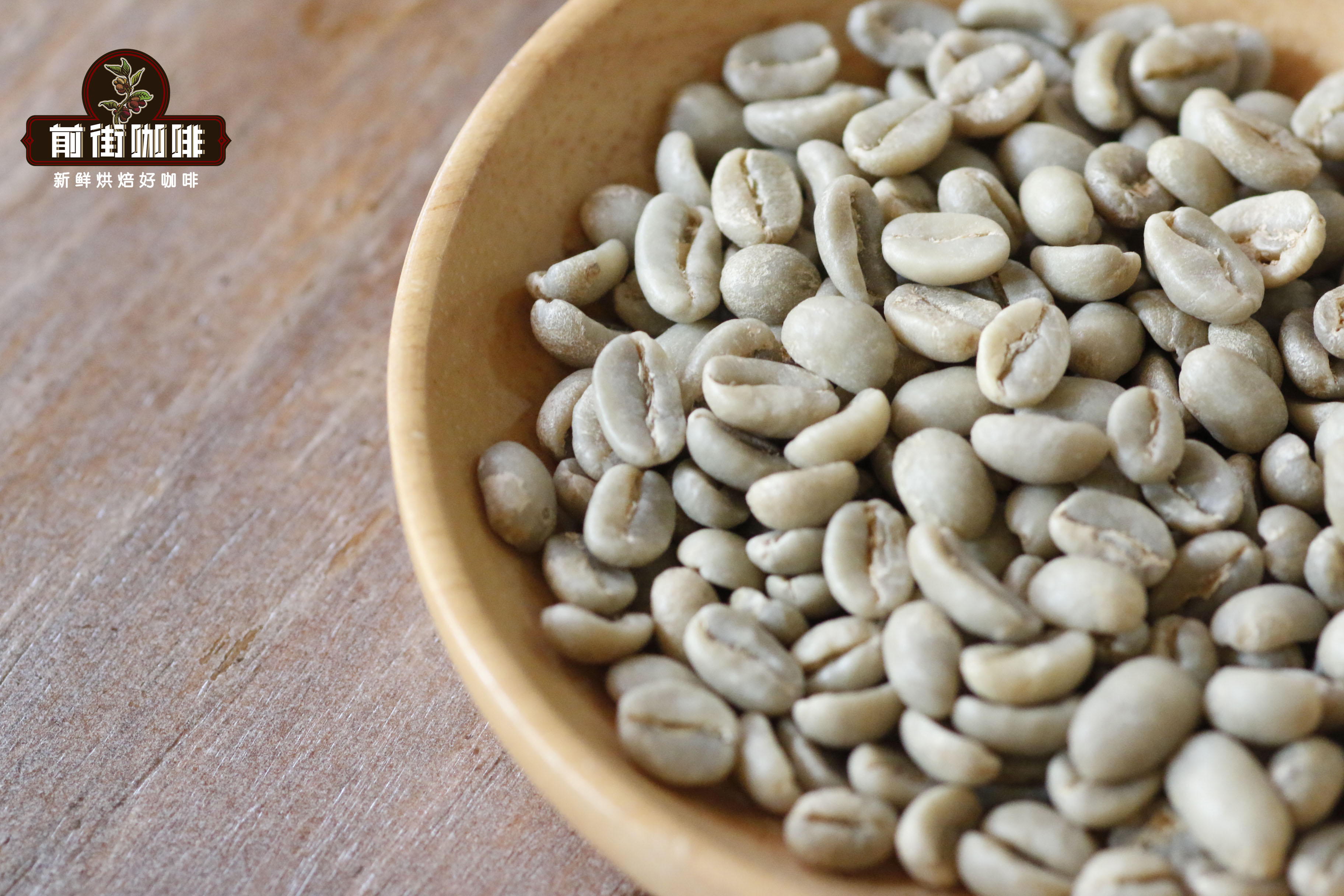
"Natural green coffee beans" Natural green coffee beans appear yellow-green, with a complete thin film on the surface (coffee bean silver skin), giving off a slight fermentation aroma, berry-like sweetness, and the scent of grass.
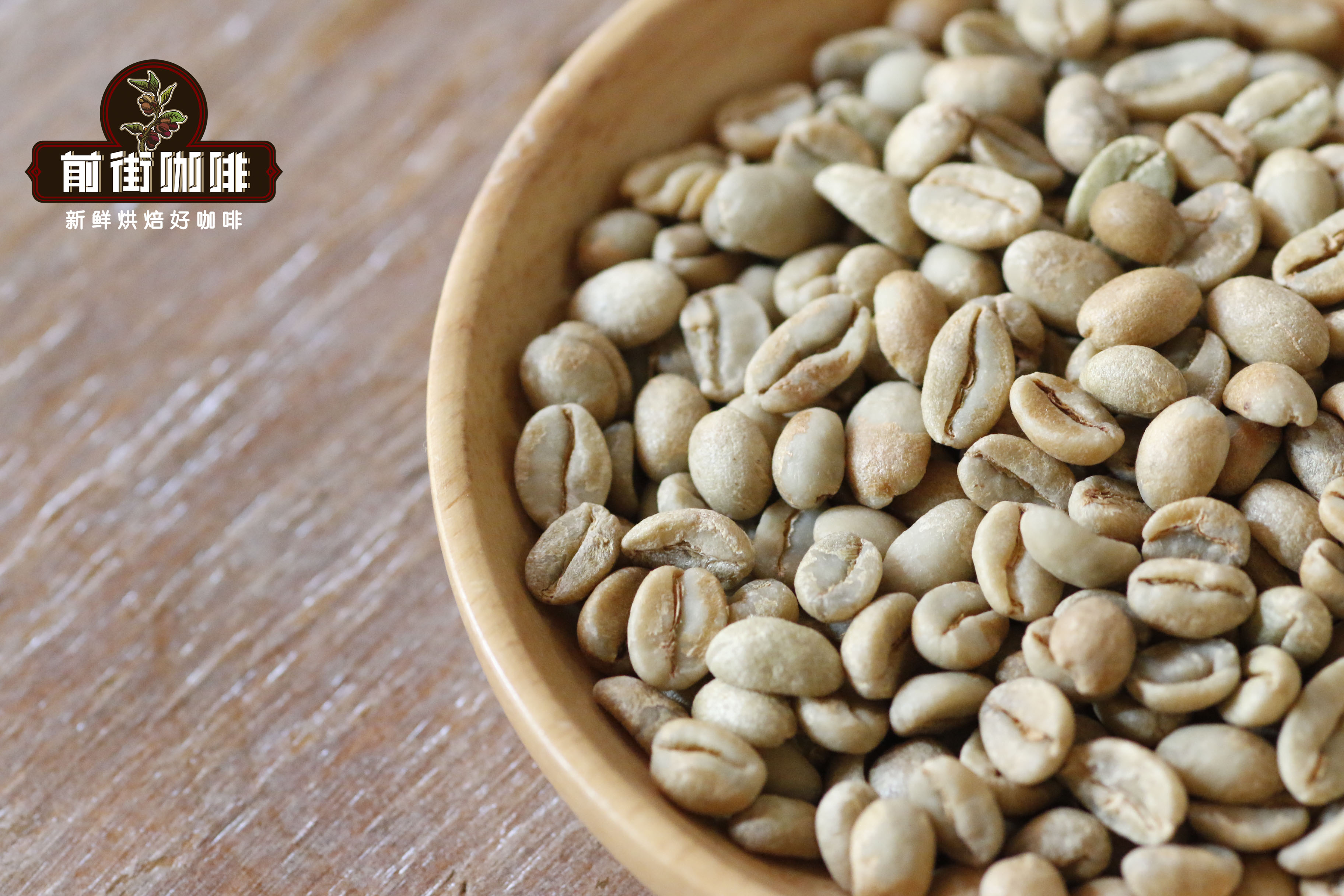
"Honey green coffee beans" Honey green coffee beans appear uneven in color (caused by the infiltration of pectin sugars). Depending on how much pectin is retained, the green coffee beans show brown (most pectin retained) - light yellow (part of the pectin retained) - cyan (a small amount of pectin retained). There is an incomplete thin film on the surface of the green beans (coffee shop silver skin). The more pectin retained, the stronger the fermented smell emitted, with the sweetness of gummy candy and the scent of grass.
Distinguishing processing methods by the appearance of roasted coffee beans
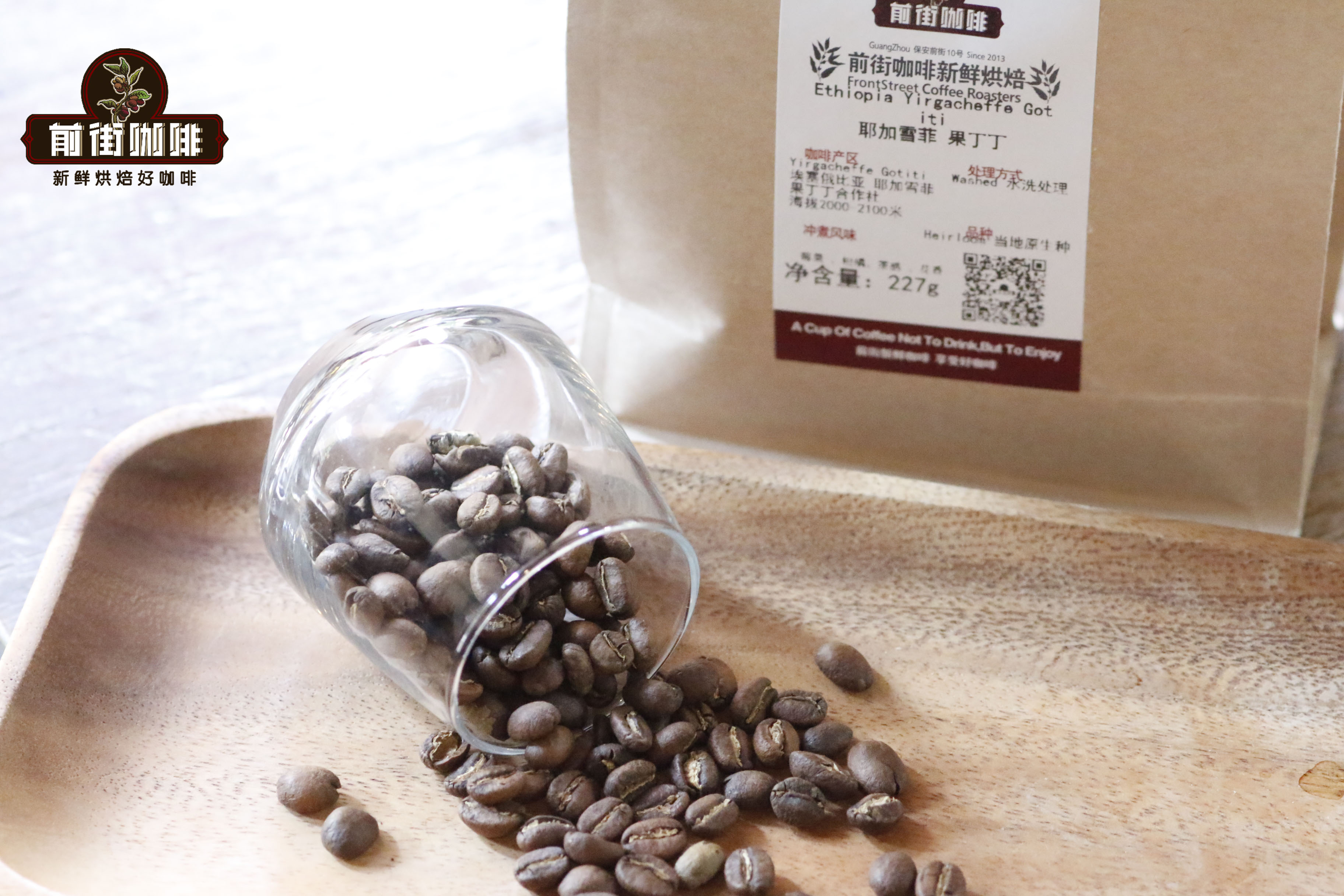
"Washed roasted coffee beans" In the washed processing method, the silver skin of the green beans cannot fall off completely during roasting, so silver skin residue remains in the central seam of the coffee beans, presenting a white center line.
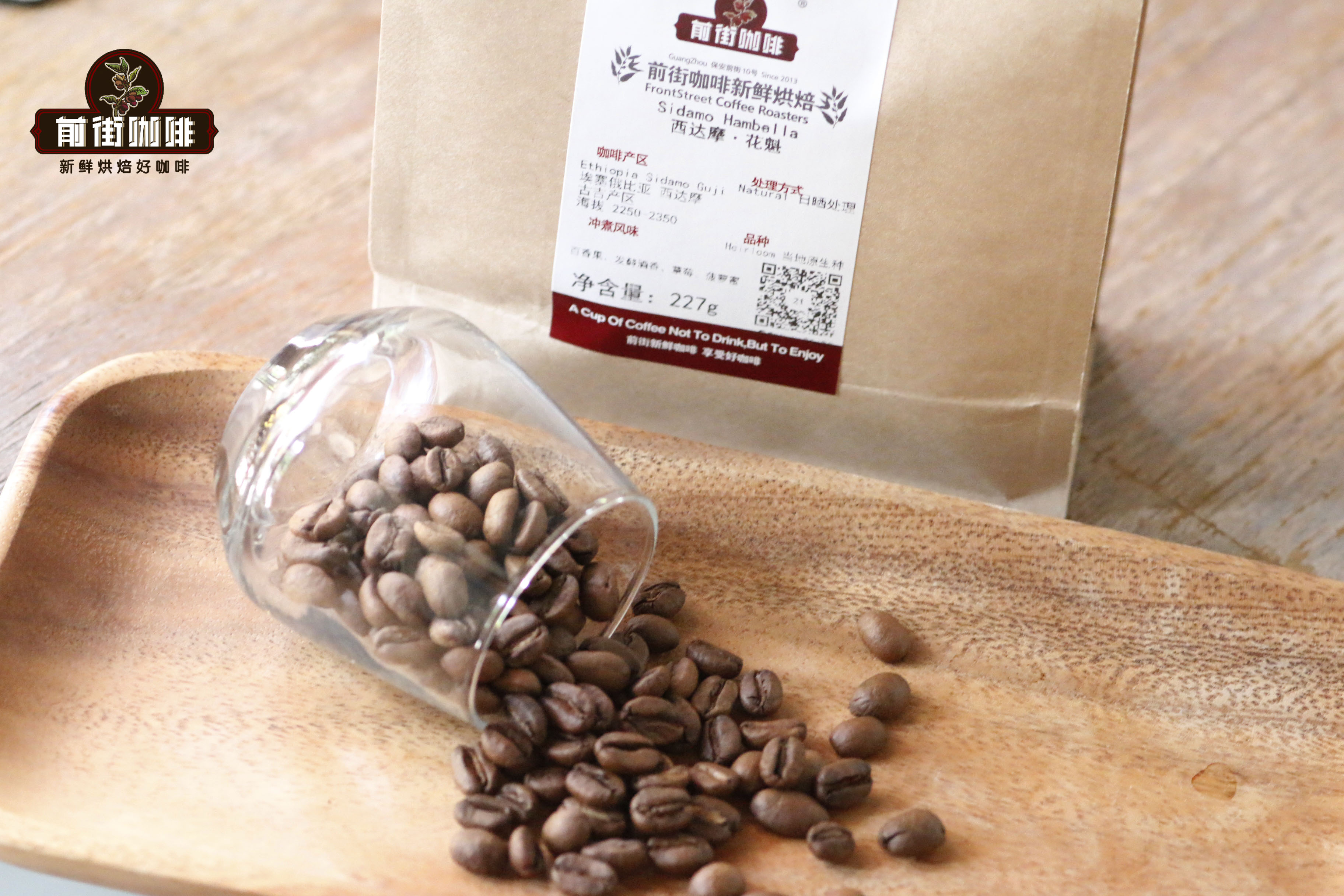
"Natural roasted coffee beans" In the natural processing method, the silver skin of the green beans can fall off completely during roasting, and most coffee beans will not have silver skin residue in the central seam, so they will not present a white center line.
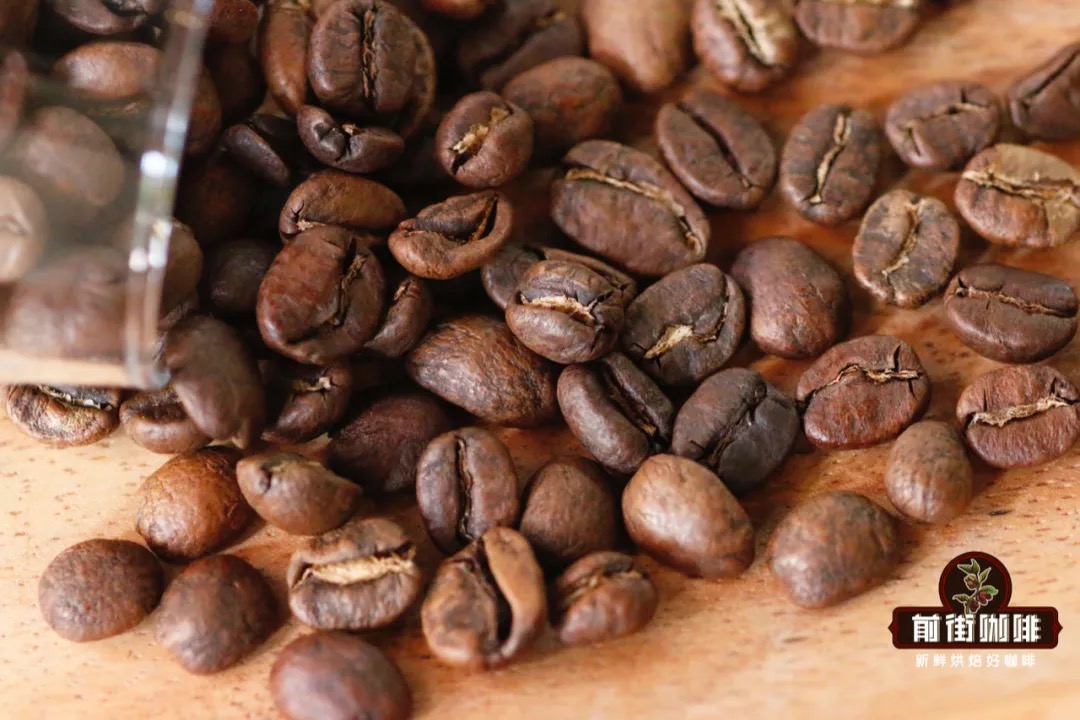
"Honey roasted coffee beans" In the honey processing method, the silver skin of the green beans cannot fall off completely during roasting, and a white center line will also appear. Differences in pectin content cause uneven sugar infiltration into the coffee beans, so that the degree of "browning" during roasting is inconsistent. After roasting is completed, some honey-processed coffee beans will show an uneven color state.
Distinguishing processing methods by coffee flavor performance
"Flavor performance of washed coffee beans" The fermentation process of washed processing causes the coffee beans to produce more acidity, so drinking it will have brighter, clearer acidity and richer layers. At the same time, Qianjie believes that the washed processing method, without the "modification" of pulp sugars, can best reflect the cleanliness of a coffee bean. To taste washed coffee, be sure to buy Qianjie Gudingding Cooperative. This is a classic Yirgacheffe; when brewed, you can taste fresh lemon, honey, and green tea flavors.
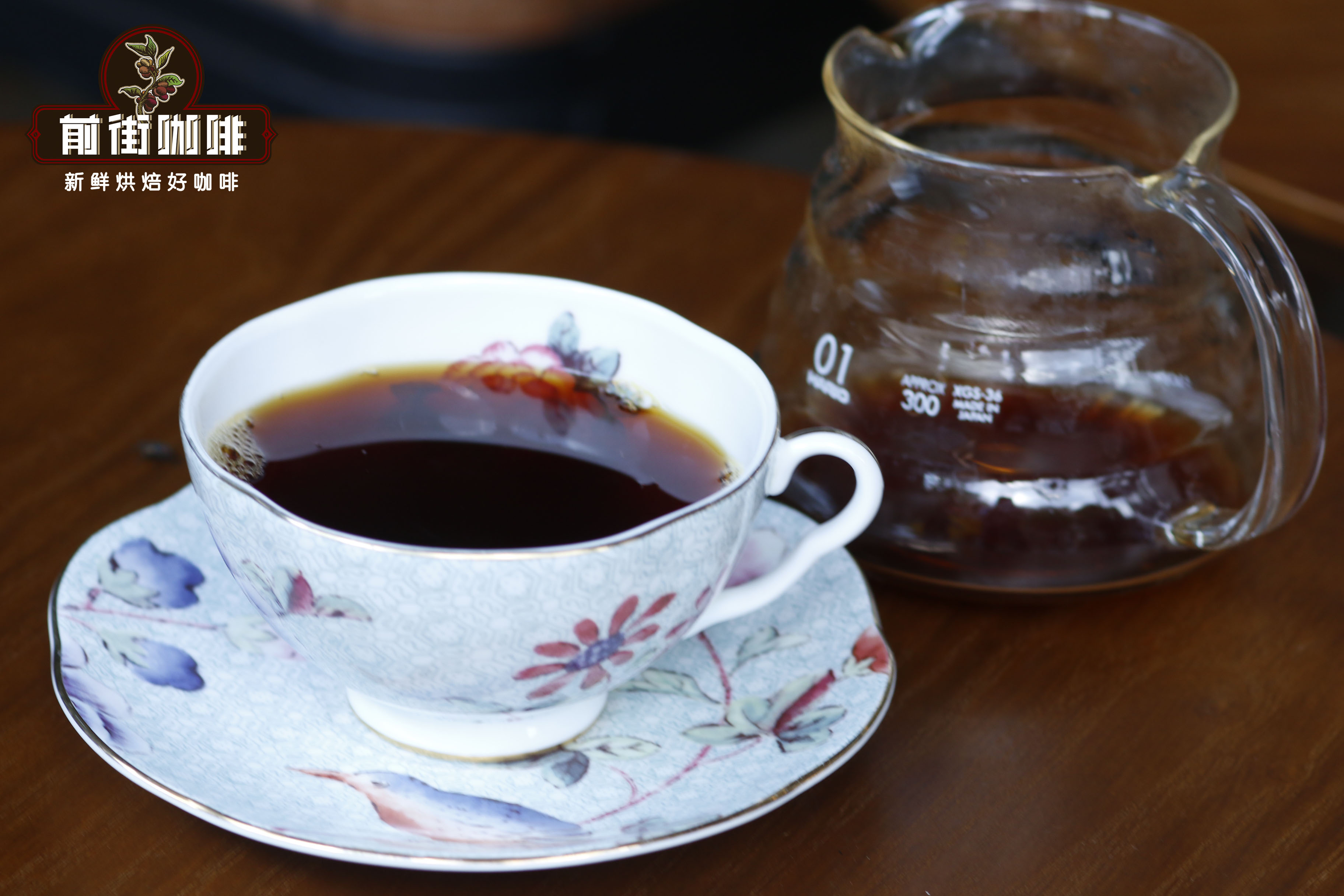
"Flavor performance of natural coffee beans" Natural processing uses the whole fruit and dries it directly. The sugars in the pulp and pectin can be transformed into the coffee beans, and the decomposition of sugars produces a fermented taste, so drinking it will have a slight fermentation aroma and a soft sweet-and-sour sensation. Qianjie believes that the body of natural coffee is higher than that of washed coffee, and its cleanliness is better than that of honey coffee. The first choice is Qianjie Sun-dried Huakui; after medium-light roasting, it presents delicate flavors of fragrant flowers, creamy strawberry, citrus, and black tea.

"Flavor performance of honey coffee beans" During honey processing, sunlight directly shines on the pulp and pectin, allowing sugars to be better transformed into the coffee beans and producing a rich fermented sensation, so drinking it will have an obvious fruity fermentation aroma, and the sweetness is higher than that of natural coffee. Qianjie believes that honey-processed coffee has a fuller, richer, and more mellow mouthfeel, but the concentration of flavor makes honey-processed coffee beans lack layering. Qianjie Blackberry is strongly recommended; it uses Costa Rica's unique black honey processing, so its sweetness is prominent, making it very suitable for those who are afraid of bitterness.

Light Roast Pour-Over Floral Coffee Beans Recommendation: Qianjie Yirgacheffe Gedeo Dingding, Qianjie Panama Hacienda La Esmeralda Green Label Geisha Coffee Beans, QianjiePanama Butterfly Coffee Beans
Daily medium-light roast Yirgacheffe pour-over floral coffee bean recommendation, Qianjie Yirgacheffe Guddina, light roast brings the signature white floral notesAromatic, with lemon-citrus fruit notes and a refreshing floral tea note; bright and crisp on the palate. Great value and an ideal entry-level pour-over coffee with floral and fruity notesAn unrivalled choice.
Moka pot, home espresso, and espresso-based milk drinks like latte — recommended beans: Qianjie Classic Espresso Blend, using BrazilianWest, with Mandheling Arabica and a small amount of Vietnamese Robusta fully blended, delivering a rich and outstanding espressocrema; overall style is rich and memorable. Qianjie Brazil Queen's Estate coffee beans and Qianjie Classic Espresso Blend coffee beans are both mochaA highly recommended option for pot-style espresso machines.
Fruity-floral signature espresso latte bean recommendation: Qianjie Strawberry Candy espresso blend, featuring strawberry gummy and rose aromas,Full-bodied sweetness with a grape and almond finish; especially stunning as an iced latte. Made from Costa Rican honey-process beans, PanamaBlended from Panama Geisha coffee beans and select beans from Colombia's Huila region. Not only does it overturn traditional espresso flavor, the cremaalso performs well, with impressive showings in creative specialty drinks.
Now available on Taobao store「 Qianjie Coffee 」To purchase the above coffee beans, Qianjie Coffee offers dozens of selected single-origin pour-over and espresso coffee beans from around the world. Qianjie CoffeeQianjie Coffee is a veteran specialty coffee roaster; beans are freshly roasted within 5 days, with consistent quality and highly competitive pricesGreat value, ships within 24 hours. Qianjie Coffee is recommended by many coffee lovers and platforms.
Taobao Qianjie Coffee Link: https://qianjiecoffee.taobao.com
Or search our shop directly on Taobao 「Qianjie Coffee」
Qianjie Coffee Store Address: 315 Donghuadong Road, Yuexiu District, Guangzhou

Site Recommendations: 耶加雪菲 花魁咖啡 瑰夏咖啡 波旁咖啡 蓝山咖啡 天堂鸟咖啡豆 曼特宁咖啡豆 PWN黄金曼特宁 星巴克菜单 咖啡豆种类
Please indicate the source when reprinting.
2026-08-15 17:14:40
