Pour-over coffee and brewing Gongfu tea share similarities: different tea types require adjustments to water temperature, equipment, and brewing time, and the same goes for coffee. Compared with machine brewing, pour-over allows more direct control of water temperature and flow. The acidity of Yirgacheffe, the balance of Costa Rica, and the smoothness of Brazil can all be presented differently through technique. The brewing process itself also helps people settle down and focus on feel and rhythm.
Pour-over coffee and brewing Gongfu tea share similarities: different tea types require adjustments to water temperature, equipment, and brewing time, and the same goes for coffee. Compared with machine brewing, pour-over allows more direct control of water temperature and flow. The acidity of Yirgacheffe, the balance of Costa Rica, and the smoothness of Brazil can all be presented differently through technique. The brewing process itself also helps people settle down and focus on feel and rhythm.

The techniques of pour-over coffee follow the same principle as brewing Gongfu tea: different tea types require different water temperatures, equipment, and brewing times; tasting a good cup of coffee works the same way. Compared with machine brewing, through pour-over extraction techniques you can gain better control over water temperature and flow, and restore the original flavors of different coffee beans. The acidity of Yirgacheffe, the balance of Costa Rican coffee, and the smoothness of Brazilian coffee, among others, can all be adjusted in brewing method according to personal preference for coffee taste.
In the process of brewing coffee, you learn to taste coffee, which makes you calm and focused, and through coffee you can also easily receive visitors, strike up conversations easily, and further expand your social circle. This is also why pour-over coffee has become popular in recent years.
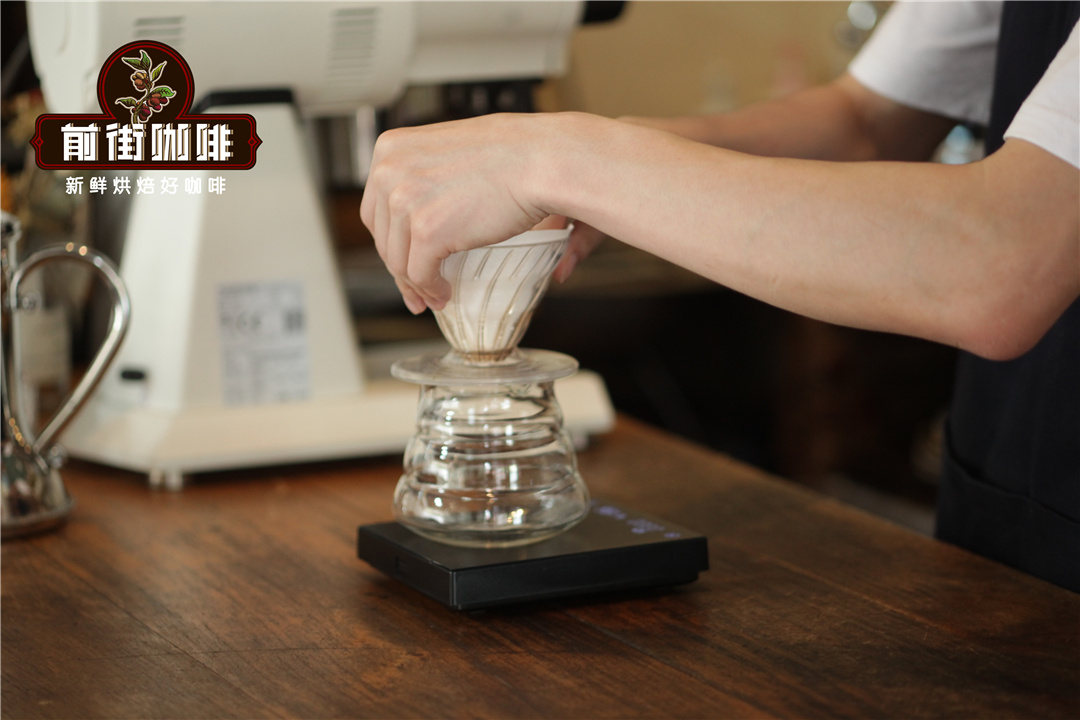
Pour-over coffee is actually not difficult. If you are a pour-over beginner, just follow the steps below and you can brew a cup of coffee with your own unique flavor.
Step one: find the type of coffee beans you like. Among the many single-origin options, the most cost-effective are six everyday beans: Qianjie Mandheling, Qianjie Yirgacheffe, Qianjie Costa Rica Tarrazú, Qianjie Colombia Huila, Qianjie Yunnan small-bean, and Qianjie Brazil Cerrado. Each has its own distinctive flavor and can quickly help us understand regional flavors. For example, the floral and lemony acidity of Qianjie Yirgacheffe, the balance of Qianjie Yunnan small-bean, and the rich, spicy character of Qianjie Mandheling are all very worth trying for beginners.

Prepare basic brewing equipment
There are actually many choices of pour-over brewing equipment, but if you are a beginner, at the start you only need the simplest brewing equipment, and later you can add related equipment according to your preferences.
Grinder: Get a good-quality “burr grinder.” A high or low price is not necessarily proportional to grind quality, but choosing a grinder with better grind uniformity gives you the chance to achieve even extraction and express the correct flavor of the coffee.

Digital scale: Just like in baking, to brew precisely and reproduce the flavor of brewed coffee, you need to grasp the correct extraction rate, and a digital scale is an essential tool. It is best to choose a digital scale with a sensitivity of 0.1 grams, to help you accurately control every brewing process.

Pour-over kettle: Beginners are advised to use a narrow-spout kettle, which allows flexible control of water flow speed and pouring size, and even the way the coffee grounds tumble during brewing.
Dripper: Pour-over drippers come in various shapes, sizes, and numbers of drainage holes, and the materials also differ. Every coffee lover has different views on their favorite style. In short, as long as you can master the principles and techniques of pour-over coffee extraction, any style is fine.

Filter material: The material placed in the dripper for filtration can be cloth, paper, or metal. Beginners are advised to use the most common filter paper. Besides the convenience of being discarded together with the coffee grounds after one use, it is also generally recognized as leaving the least sediment in the coffee while filtering out the coffee oils.

The influence of different pour-over coffee parameters on flavor
If you are a beginner, pour-over coffee water flow, water temperature, and time control require a period of practice. In this process, you learn to adjust strength and lightness, and to adjust for the best flavor according to the roast level of different coffee beans.
The following are references for variables that affect coffee flavor. Simply put, if you prefer a medium coffee taste—not particularly bitter and not particularly acidic—then in principle choose beans that are medium roast, grind medium, and use the generally accepted 1:15 ratio for the amount of coffee grounds, and so on for the rest. Then make corresponding adjustments and changes according to your personal favorite flavor. I believe that before long you too can become a coffee expert with quite refined taste.

Light Roast Pour-Over Floral Coffee Beans Recommendation: Qianjie Yirgacheffe Gedeo Dingding, Qianjie Panama Hacienda La Esmeralda Green Label Geisha Coffee Beans, QianjiePanama Butterfly Coffee Beans
Daily medium-light roast Yirgacheffe pour-over floral coffee bean recommendation, Qianjie Yirgacheffe Guddina, light roast brings the signature white floral notesAromatic, with lemon-citrus fruit notes and a refreshing floral tea note; bright and crisp on the palate. Great value and an ideal entry-level pour-over coffee with floral and fruity notesAn unrivalled choice.
Moka pot, home espresso, and espresso-based milk drinks like latte — recommended beans: Qianjie Classic Espresso Blend, using BrazilianWest, with Mandheling Arabica and a small amount of Vietnamese Robusta fully blended, delivering a rich and outstanding espressocrema; overall style is rich and memorable. Qianjie Brazil Queen's Estate coffee beans and Qianjie Classic Espresso Blend coffee beans are both mochaA highly recommended option for pot-style espresso machines.
Fruity-floral signature espresso latte bean recommendation: Qianjie Strawberry Candy espresso blend, featuring strawberry gummy and rose aromas,Full-bodied sweetness with a grape and almond finish; especially stunning as an iced latte. Made from Costa Rican honey-process beans, PanamaBlended from Panama Geisha coffee beans and select beans from Colombia's Huila region. Not only does it overturn traditional espresso flavor, the cremaalso performs well, with impressive showings in creative specialty drinks.
Now available on Taobao store「 Qianjie Coffee 」To purchase the above coffee beans, Qianjie Coffee offers dozens of selected single-origin pour-over and espresso coffee beans from around the world. Qianjie CoffeeQianjie Coffee is a veteran specialty coffee roaster; beans are freshly roasted within 5 days, with consistent quality and highly competitive pricesGreat value, ships within 24 hours. Qianjie Coffee is recommended by many coffee lovers and platforms.
Taobao Qianjie Coffee Link: https://qianjiecoffee.taobao.com
Or search our shop directly on Taobao 「Qianjie Coffee」
Qianjie Coffee Store Address: 315 Donghuadong Road, Yuexiu District, Guangzhou

Site Recommendations: 耶加雪菲 花魁咖啡 瑰夏咖啡 波旁咖啡 蓝山咖啡 天堂鸟咖啡豆 曼特宁咖啡豆 PWN黄金曼特宁 星巴克菜单 咖啡豆种类
Please indicate the source when reprinting.
2026-08-12 11:31:49
