After the steam wand is inserted into the milk pitcher, hot air mixes with the milk, simultaneously producing coarse foam floating on the surface, hot milk sinking at the bottom, and microfoam in between. Microfoam is neither foam nor liquid milk, but rather thick milk filled with extremely fine bubbles, and its quantity depends on the barista's steaming technique and the milk's fat content. Once the relationship among these three layers is clarified, looking back at the texture differences between lattes and cappuccinos, many questions find their answers.
The practice of adding milk to coffee is almost as old as coffee itself, but truly studying milk as a craft is a matter of the past century. After the steam wand is inserted into the milk pitcher, hot air mixes with the milk, simultaneously producing coarse foam floating on the surface, hot milk sinking at the bottom, and microfoam in between. Microfoam is neither foam nor liquid milk, but rather thick milk filled with extremely fine bubbles, and its quantity depends on the barista's steaming technique and the milk's fat content.
Adding milk to coffee is as old as coffee itself. But it was only around the last century that we truly developed a strong interest in how to add milk to coffee. Over the past few decades, we have also begun to care about whether the milk in question is dairy or plant-based.
This article from FrontStreet Coffee aims to help understand the role of milk in coffee and discuss its various forms. Today, adding coffee to milk has become an art. Creating patterns with steamed milk in a cappuccino is one thing, and there is a wide variety of milk we can use. The purpose of milk is for both aesthetics and flavor.
When we first discovered coffee, whether coffee was made poorly, or whether people always preferred slightly milder coffee, no one knows. But this is the end result, and I think many people are happy about it.
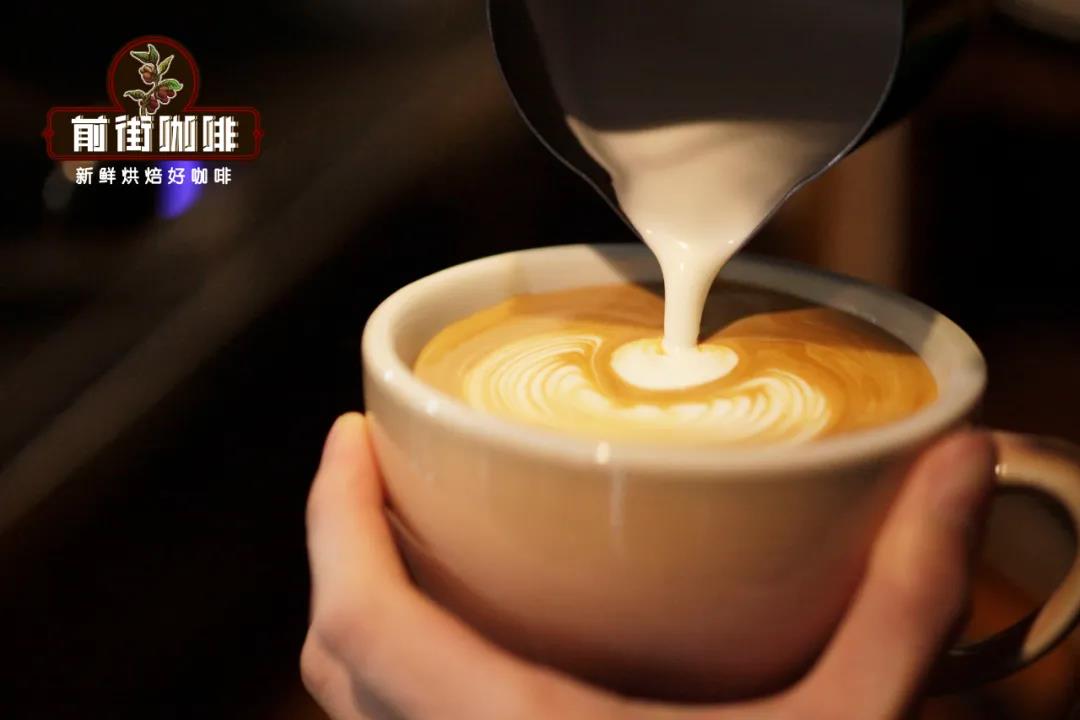
Steamed milk may sound unremarkable, but it is actually steamed milk. That means the milk passes through very hot steam and is therefore heated.
The hot milk will mix with the liquid espresso in the drink. The foam will sit on top and mix with the crema. Actually, if we want to be very clear about what happens to the milk, the story is a bit different.
When the steam wand is inserted into the milk pitcher, you get milk in two different proportions.
One is milk foam, which is the result of adding hot air to the milk with the wand. It is most commonly found on top of the milk. The denser the foam, the lower its position in the milk pitcher.
The foam that forms at the very top is dry foam, usually placed as the topmost foam on the drink (more on that in a minute).
At the very bottom, you get hot milk that has not been frothed, and there is no need to try to froth it further. If you work it too much, you risk burning the milk.
This process happens naturally when steaming milk, but the amount you get depends on your skill as a barista and the fat content of the milk used.
So, in some drinks——such as a flat white——you need microfoam, and that is it. No steamed milk, and no milk foam. Just straight creamy milk, which is not easy to achieve.
It is never possible to turn all the milk in the pitcher into microfoam, but you can make a lot of the milk into foam.
Most of the time, microfoam is created when the nozzle of the steam wand goes further down into the milk. Not at the bottom of the milk, but not at the top either. The closer to the top of the milk, the more regular the texture/milk you will get. And it is not as creamy as microfoam.

Light Roast Pour-Over Floral Coffee Beans Recommendation: Qianjie Yirgacheffe Gedeo Dingding, Qianjie Panama Hacienda La Esmeralda Green Label Geisha Coffee Beans, QianjiePanama Butterfly Coffee Beans
Daily medium-light roast Yirgacheffe pour-over floral coffee bean recommendation, Qianjie Yirgacheffe Guddina, light roast brings the signature white floral notesAromatic, with lemon-citrus fruit notes and a refreshing floral tea note; bright and crisp on the palate. Great value and an ideal entry-level pour-over coffee with floral and fruity notesAn unrivalled choice.
Moka pot, home espresso, and espresso-based milk drinks like latte — recommended beans: Qianjie Classic Espresso Blend, using BrazilianWest, with Mandheling Arabica and a small amount of Vietnamese Robusta fully blended, delivering a rich and outstanding espressocrema; overall style is rich and memorable. Qianjie Brazil Queen's Estate coffee beans and Qianjie Classic Espresso Blend coffee beans are both mochaA highly recommended option for pot-style espresso machines.
Fruity-floral signature espresso latte bean recommendation: Qianjie Strawberry Candy espresso blend, featuring strawberry gummy and rose aromas,Full-bodied sweetness with a grape and almond finish; especially stunning as an iced latte. Made from Costa Rican honey-process beans, PanamaBlended from Panama Geisha coffee beans and select beans from Colombia's Huila region. Not only does it overturn traditional espresso flavor, the cremaalso performs well, with impressive showings in creative specialty drinks.
Now available on Taobao store「 Qianjie Coffee 」To purchase the above coffee beans, Qianjie Coffee offers dozens of selected single-origin pour-over and espresso coffee beans from around the world. Qianjie CoffeeQianjie Coffee is a veteran specialty coffee roaster; beans are freshly roasted within 5 days, with consistent quality and highly competitive pricesGreat value, ships within 24 hours. Qianjie Coffee is recommended by many coffee lovers and platforms.
Taobao Qianjie Coffee Link: https://qianjiecoffee.taobao.com
Or search our shop directly on Taobao 「Qianjie Coffee」
Qianjie Coffee Store Address: 315 Donghuadong Road, Yuexiu District, Guangzhou

Site Recommendations: 耶加雪菲 花魁咖啡 瑰夏咖啡 波旁咖啡 蓝山咖啡 天堂鸟咖啡豆 曼特宁咖啡豆 PWN黄金曼特宁 星巴克菜单 咖啡豆种类
Please indicate the source when reprinting.
2021-08-26 20:14:35
