The "10 setting" on the same grinder is not equivalent across different brands, so the industry more commonly uses the sieve pass rate to describe grind coarseness. The finer the coffee grounds are ground, the larger the surface area in contact with water, and the concentration and extraction yield rise accordingly; the coarser the grind, the more prominent the acidity and the lower the body. The cup testing calibration sieve is the Chinese standard No. 20 sieve with a 0.85 mm aperture. Using the pass rate as a reference, it is also possible to infer the suitable coarseness for pour-over, French press, and other equipment.
The "10 setting" on the same grinder is not equivalent across different brands, so the industry more commonly uses the sieve pass rate to describe grind coarseness. The finer the coffee grounds are ground, the larger the surface area in contact with water, and the concentration and extraction yield rise accordingly; the coarser the grind, the more prominent the acidity and the lower the body. The cup testing calibration sieve is the Chinese standard No. 20 sieve with a 0.85 mm aperture. The cup testing grind degree uses a pass rate of 70–75% as the reference, and this value can also be used to infer the suitable coarseness for pour-over, French press, and other equipment.

"Excuse me, what grind size should I use for pour-over coffee?", "Why is the 10 setting on your machine different from the 10 setting on mine?", "When you say granulated sugar size, do you mean fine granulated sugar, coarse granulated sugar, or yellow granulated sugar?"... Are you still troubled by finding the right grind size for your coffee brewing equipment? This article from Qianjie will help you determine coffee grind coarseness! (Save it! Save it! Save it!!)
How important is coffee grind size?
At the same gram weight, the finer the coffee is ground, the more cuts are required, the surface area increases, and the area of coffee grounds that water can contact increases. Conversely, the coarser the grind, the lower the coffee concentration and extraction yield, the lower the body, and the stronger the coffee's acidity.
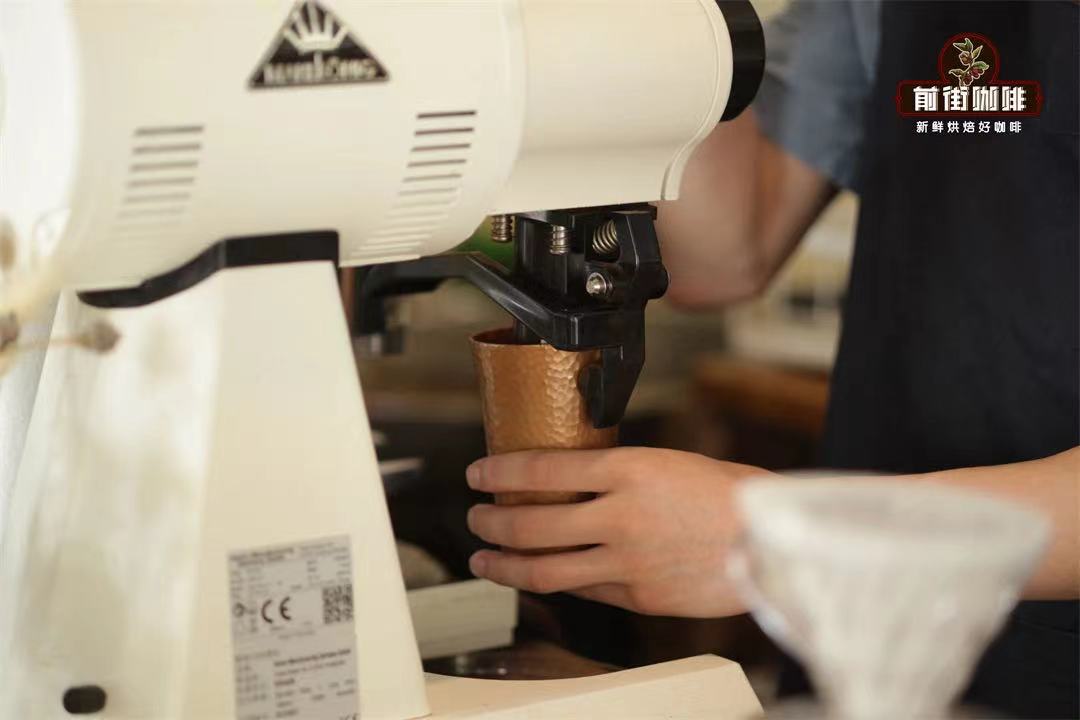
Different coffee equipment uses different grind degrees because of differences in extraction methods, and coffee grinder grind settings also have no unified standard, so at this point we need a reliable testing tool — the Chinese standard No. 20 0.85 mm aperture sieve / coffee bean grind degree cup testing calibration sieve, which is what Qianjie often calls the coffee grounds sieve.
How to use the coffee grounds sieve to determine coffee grind coarseness?
Those who read carefully will ask: why the cup testing calibration sieve? Although brewing equipment on the market is diverse and everyone has their own views on brewing parameters, within the coffee industry, cup testing is a recognized testing standard. At first, cup testing was used to inspect green bean quality, and later people gradually also used cup testing to determine coffee flavor when deciding suitable brewing parameters for samples. The grind degree for cup testing coffee is a No. 20 sieve pass rate of 70–75%.
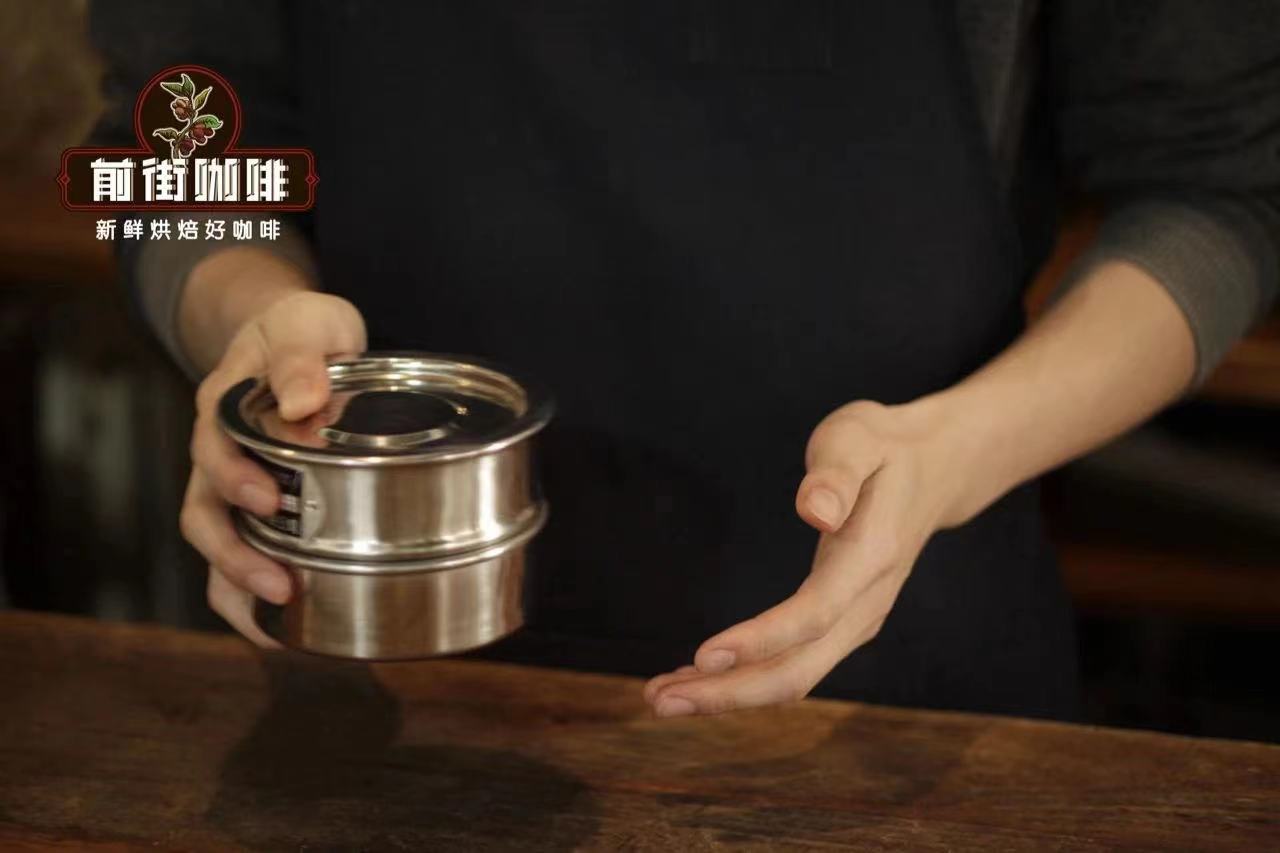
The method of use is also very simple: when determining grind degree, Qianjie uses 10 g of coffee beans for a rough grind, then pours them into the middle sieve, covers with the lid, and shakes horizontally until no coffee particles fall from the sieve into the lower receiving bowl. Then weigh the coffee particles that passed through the sieve; the resulting weight is the pass rate, that is, if 7 g–7.5 g of 10 g coffee passes through the sieve, then this grind degree is a No. 20 sieve pass rate of 70–75%. The finer the coffee particles, the higher the pass rate; the coarser the coffee particles, the lower the pass rate.
Grind degree standards for common brewing equipment & reference images
Drip extraction / pour-over coffee grind degree (No. 20 sieve pass rate 68–80%)
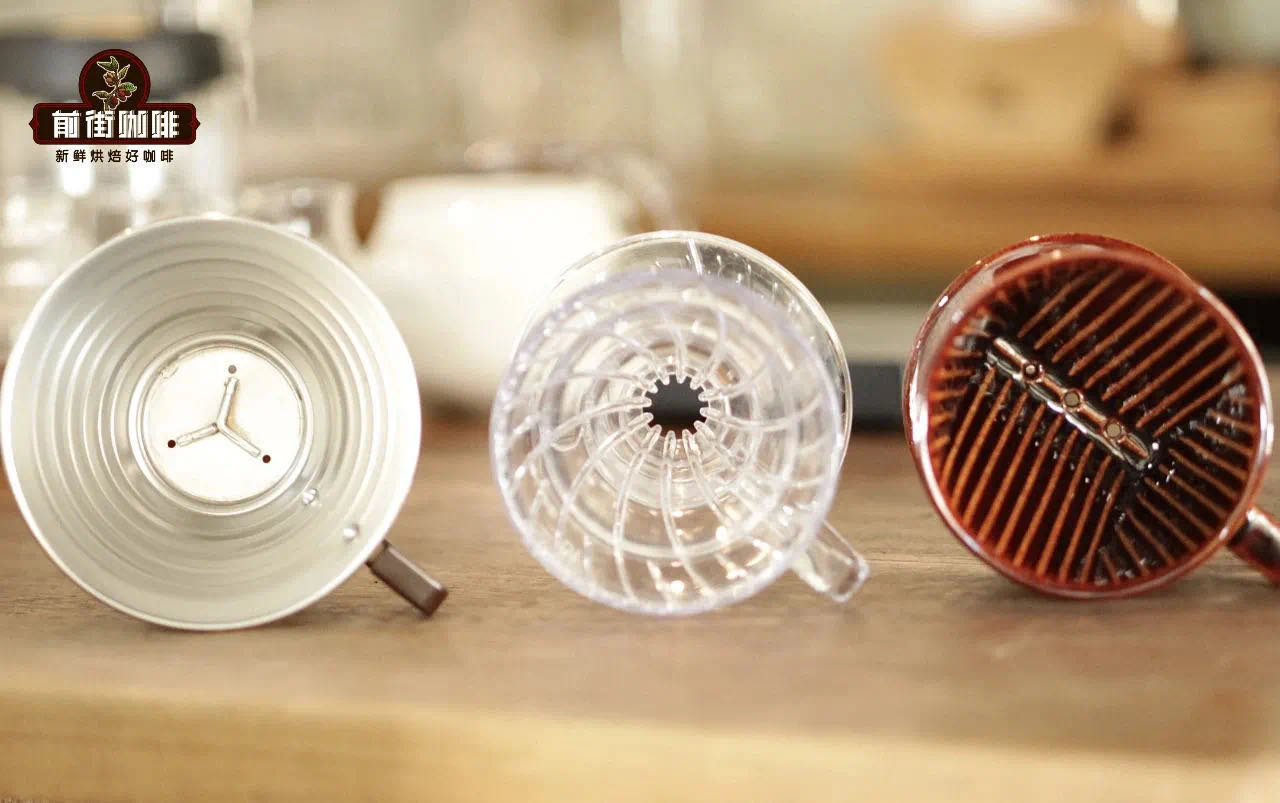
Suitable for v60, kono, ice pupil, origami dripper, fan-shaped dripper, cake dripper, clever cup, American drip machine
Drip brewing means pour-over coffee. The brewing principle is that water passes through coffee grounds, extracts substances, and then filters through filter paper to produce clean coffee liquid. Generally, pour-over coffee brewing time is relatively short, so the grind degree needs to be finer.
Coffee beans of different roast levels require different grind coarseness. Qianjie recommends a grind coarseness of No. 20 sieve pass rate 75–80% for light-to-medium roast coffee beans, and No. 20 sieve pass rate 70–75% for medium-dark roast coffee beans.
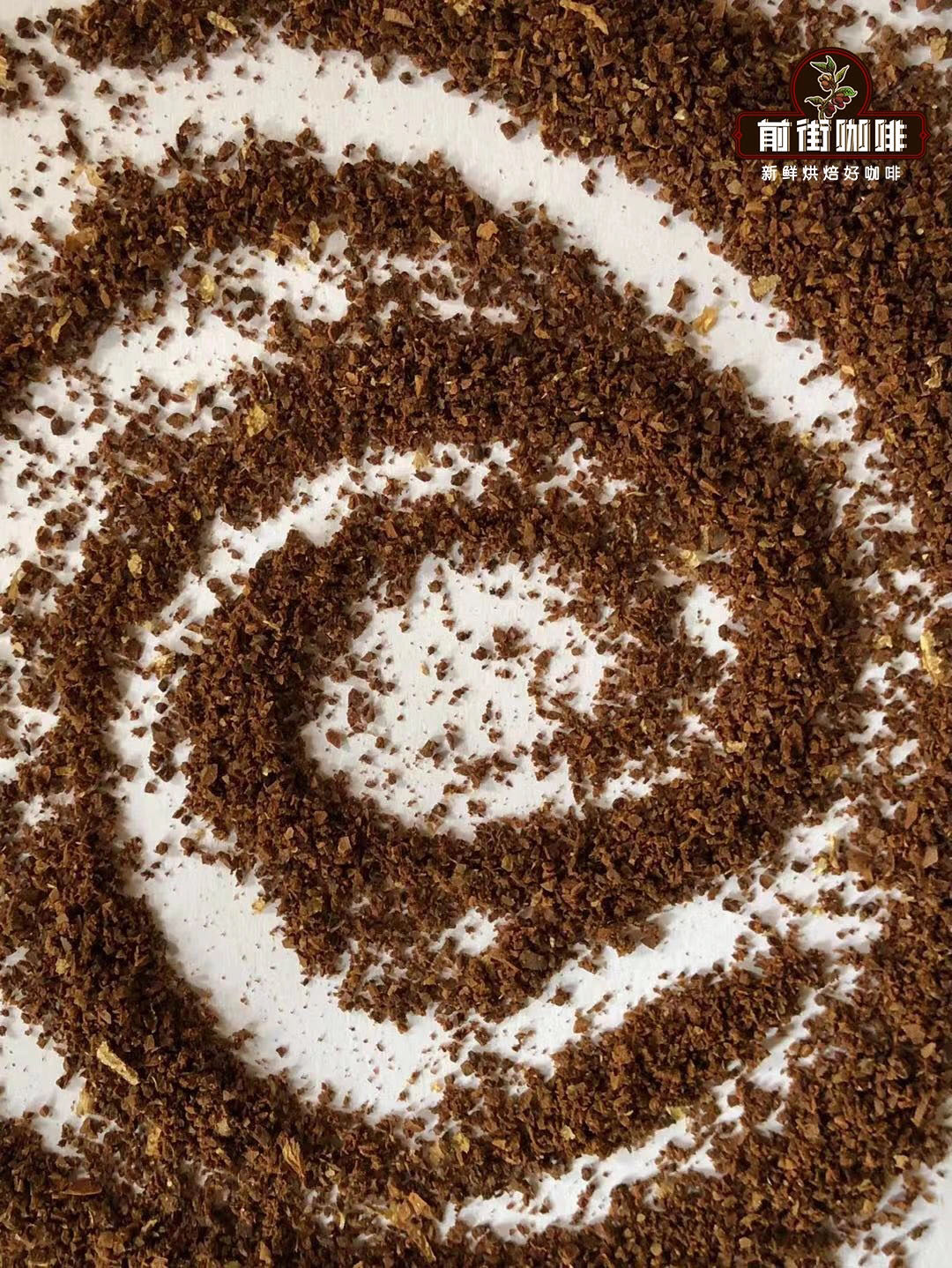
(Pass rate 75–80% coarseness)
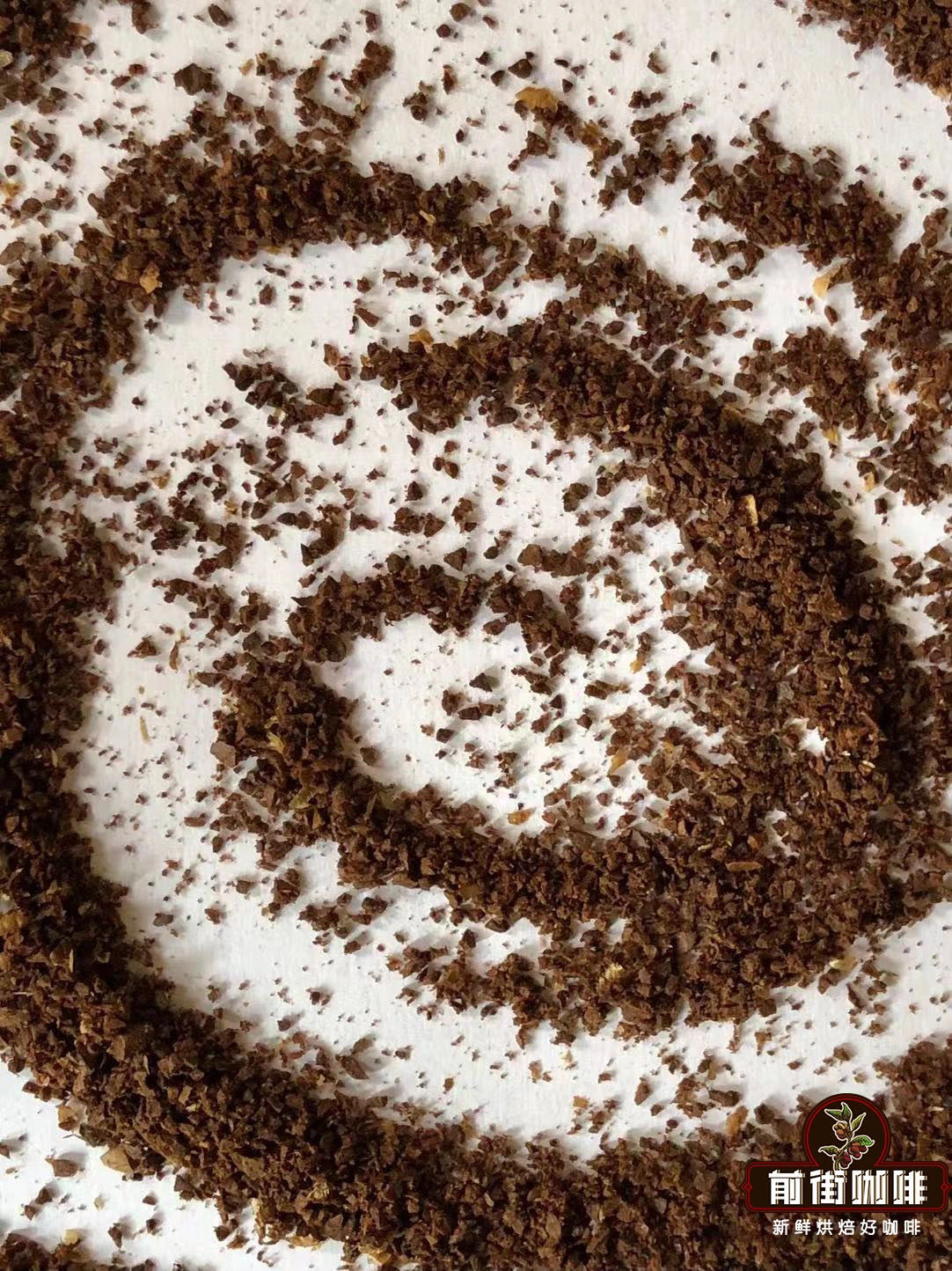
(Pass rate 70–75% coarseness)
Immersion extraction / French press grind degree (No. 20 sieve pass rate 68–75%)
The French press uses immersion for coffee extraction. The immersion time is longer (4 minutes), and its filter mesh density is high, so the grind degree needs to be coarser. This reduces over-extraction and also better filters coffee particles.
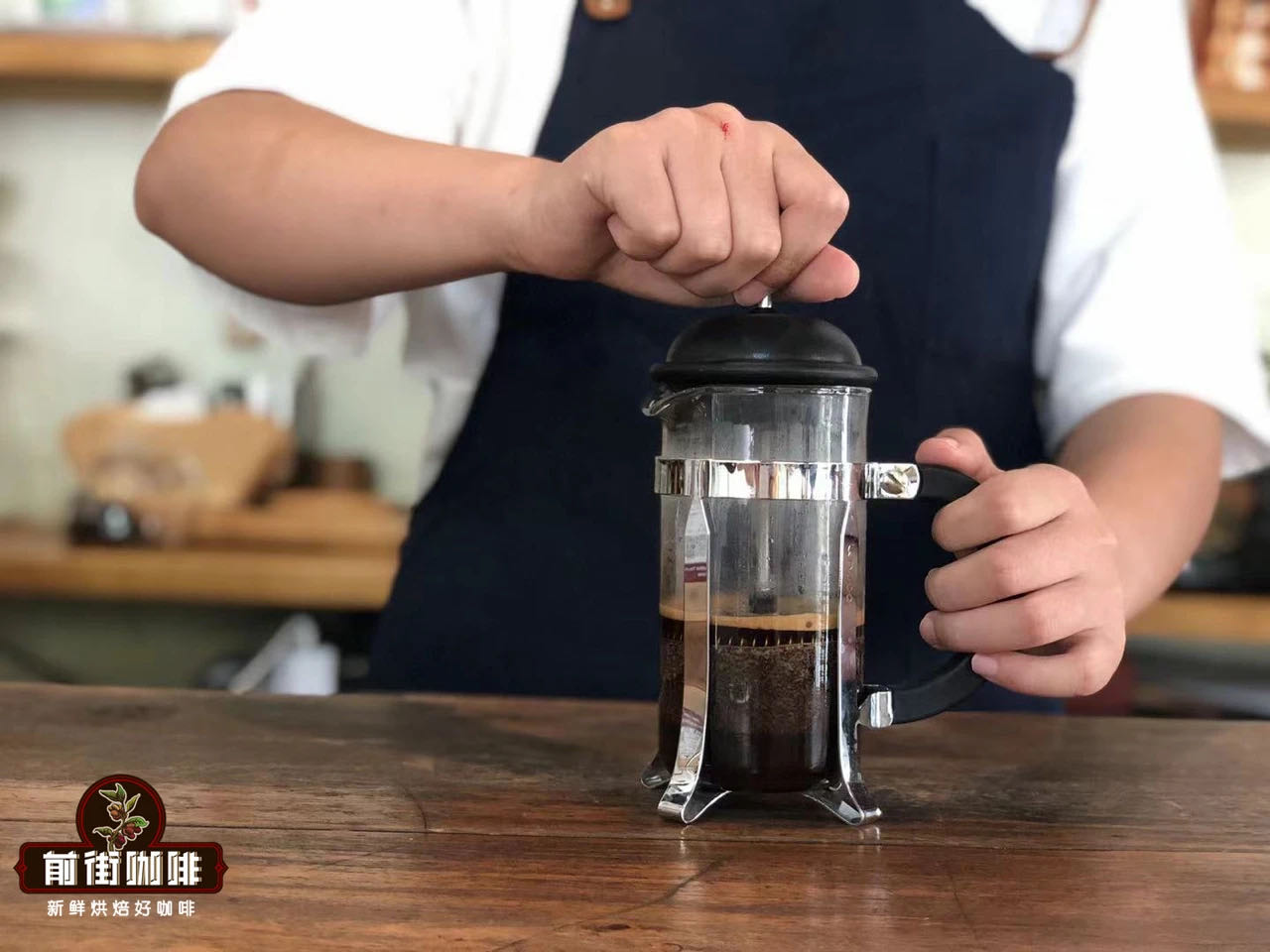
Coffee beans of different roast levels require different grind coarseness. Qianjie recommends a grind coarseness of No. 20 sieve pass rate 70–75% for light-to-medium roast coffee beans, and No. 20 sieve pass rate 65%–70% for medium-dark roast coffee beans.
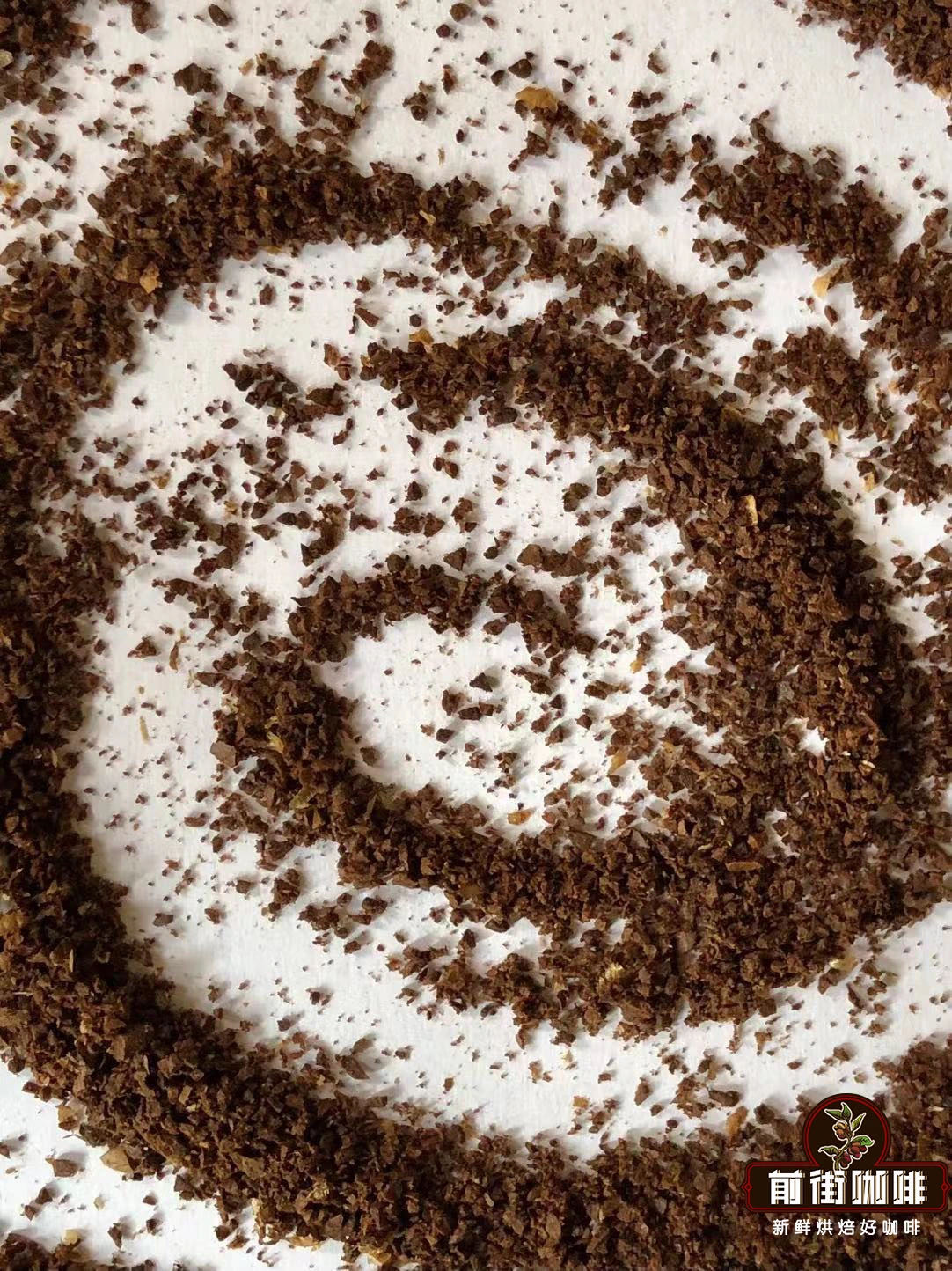
(Pass rate 70–75% coarseness)
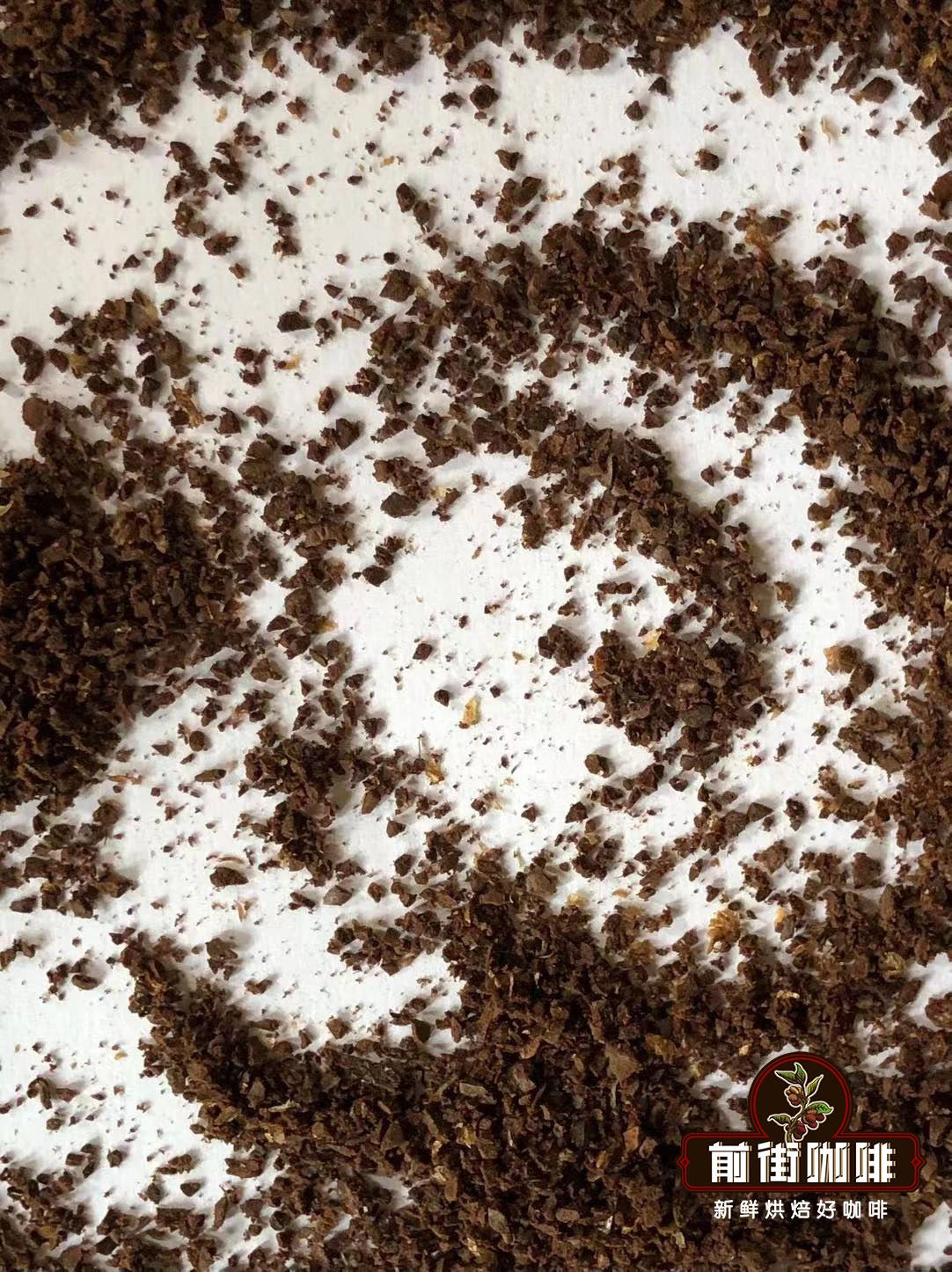
(Pass rate 65–70% coarseness)
Low-temperature extraction / cold brew, ice drip coffee grind degree (No. 20 sieve pass rate 80–85%)
Low-temperature extraction is different from high-temperature extraction. In an ice-water mixture/refrigerated environment, coffee extraction efficiency is very low, so the release speed of flavor substances in coffee grounds also slows down, and the production time is also very long. The advantage of low-temperature extraction is that it can fully extract sweet and sour substances while reducing the extraction of bitter substances.
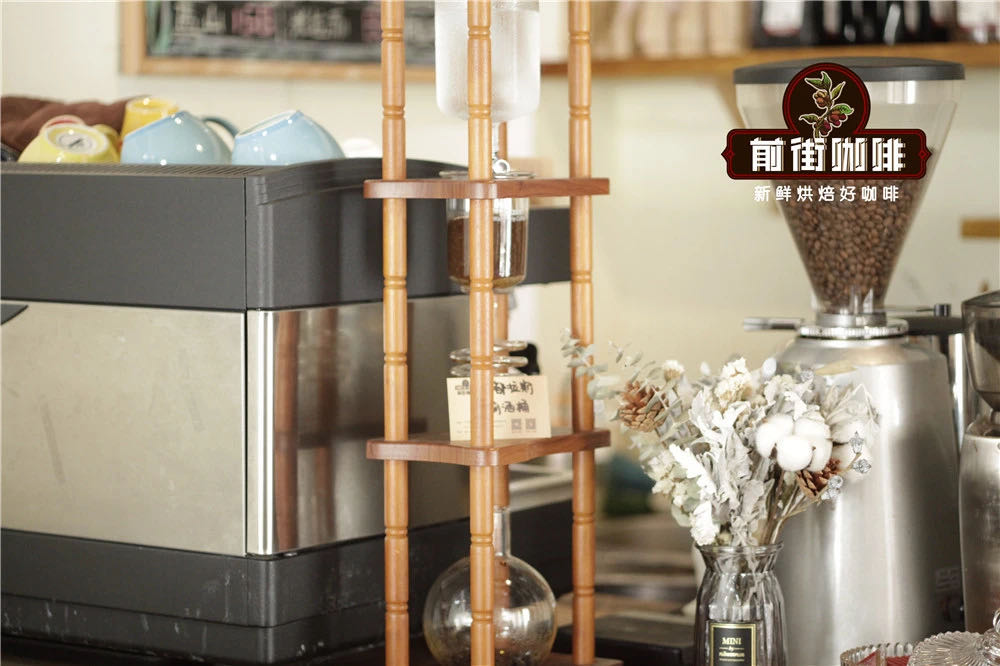
Because the extraction speed is slow, the coffee grind degree can be finer, but not too fine. Qianjie recommends a grind degree of No. 20 sieve pass rate 80–85% for making cold brew/ice drip coffee beans, which is more suitable. If you want it richer, choose a pass rate of 85%; if you want it more refreshing, choose a pass rate of 80%.
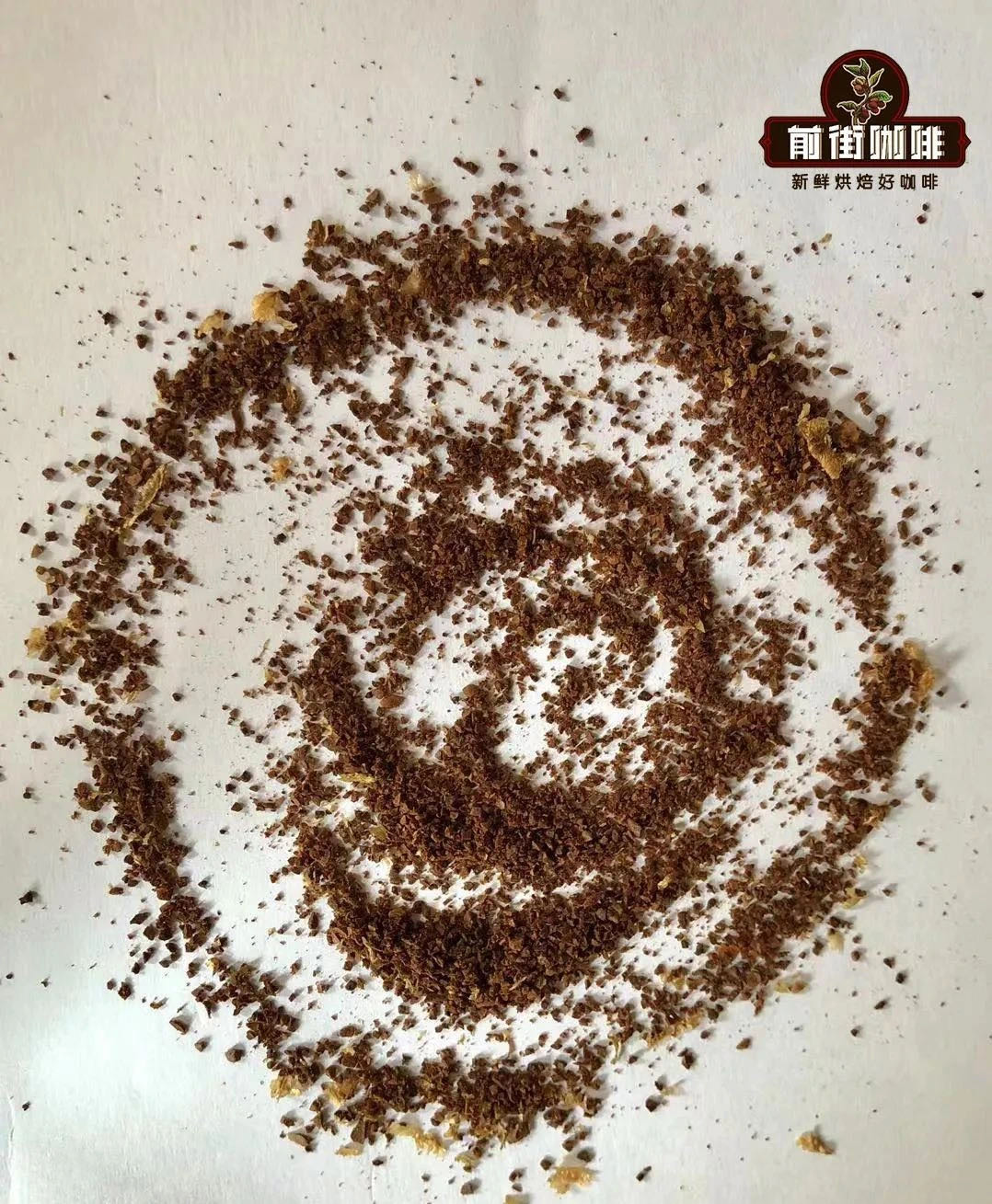
(Pass rate 80–85% coarseness)
Pressure extraction / espresso machine grind degree (grind degree cannot be determined with the No. 20 sieve)
The grind degree used by espresso machines is very fine, finer than the 0.85 mm aperture, so the No. 20 sieve cannot be used to determine the grind degree. As for how fine it is, we can refer to the image below.
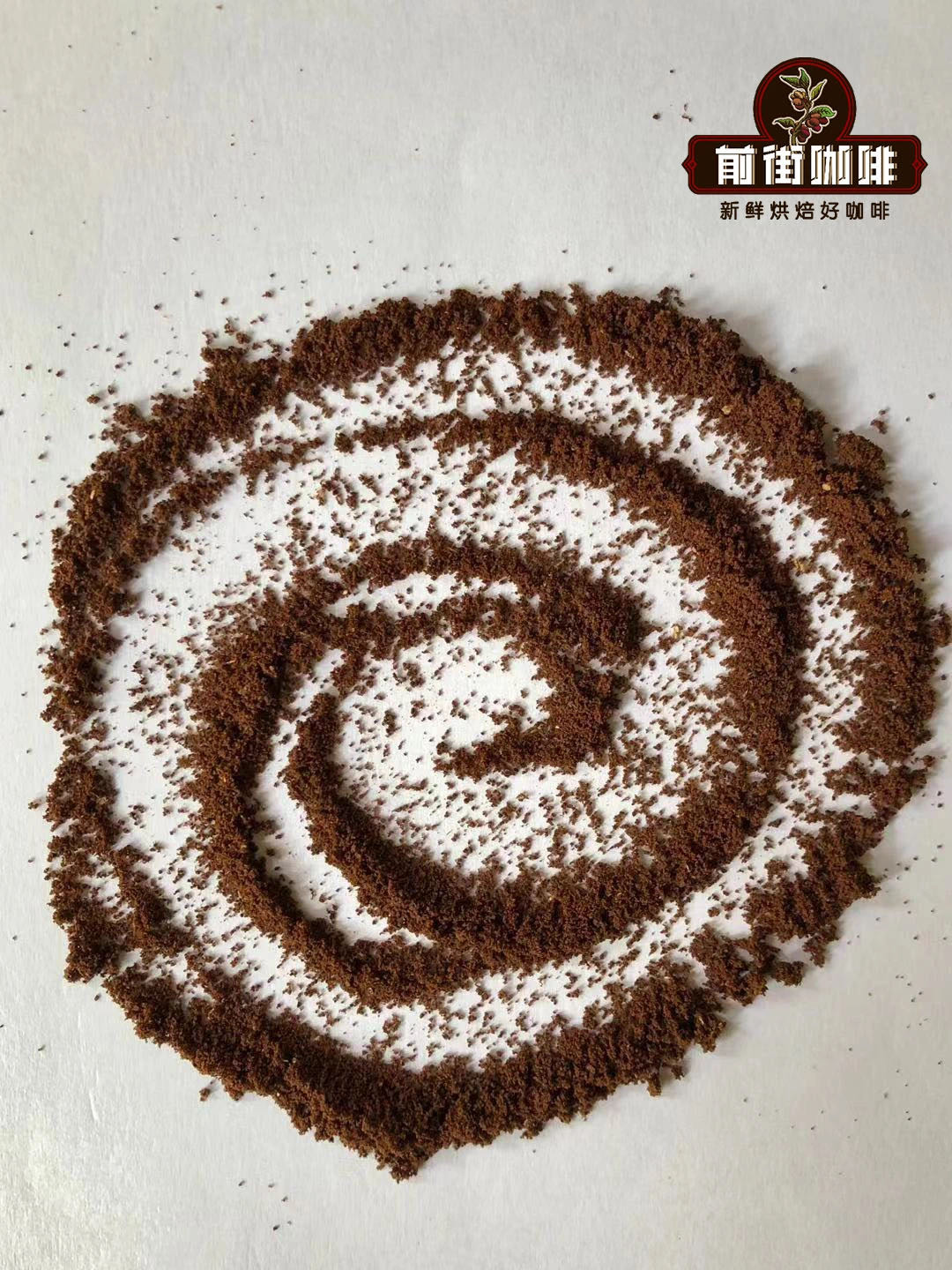
(Espresso grind coarseness)
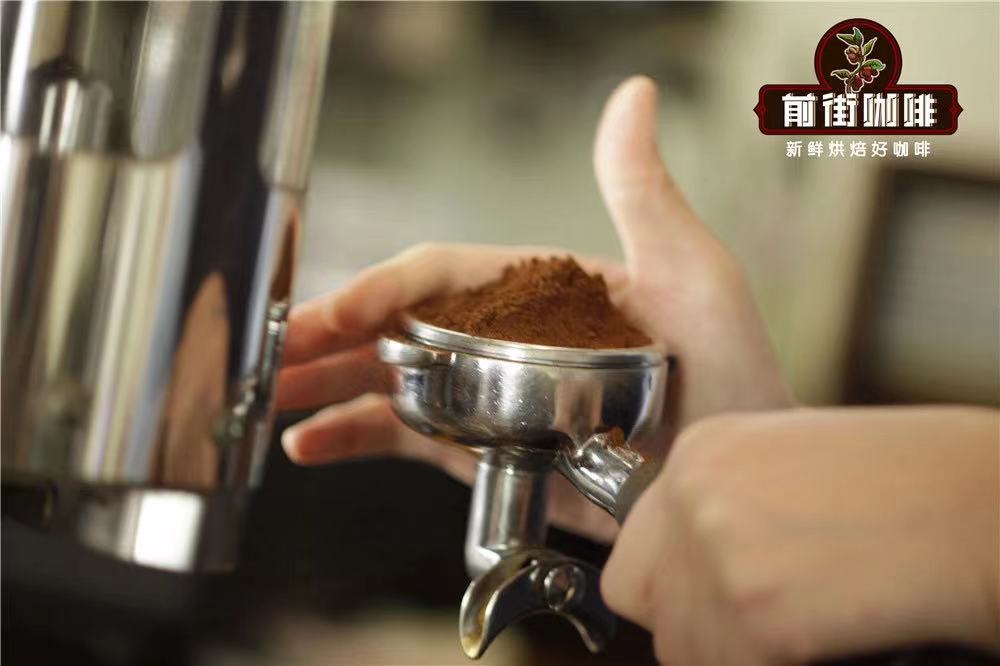
If you need to determine the grind degree used for espresso, you need to continuously extract and taste to adjust the grind degree. Qianjie's espresso extraction plan is 20 g of coffee grounds extracted into 40 g of coffee liquid in 28 seconds (error ±1). You can refer to this extraction plan and then make slight adjustments according to the flavor performance of the espresso.
Steam pressure extraction / moka pot coffee grind degree (grind degree cannot be determined with the No. 20 sieve)
The same applies to the moka pot. The grind degree used is very fine, but slightly coarser than espresso machine grind, yet still finer than the 0.85 mm aperture, so the No. 20 sieve also cannot be used to determine the grind degree.
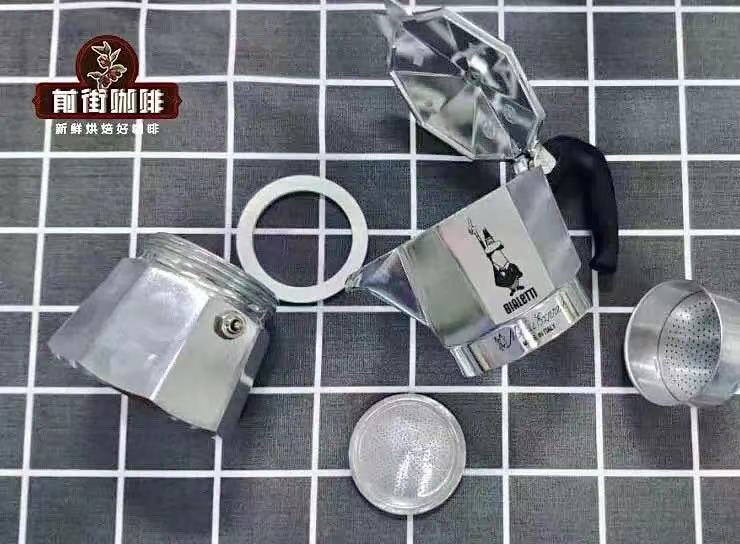
As for the grind degree, you can refer to the size of the gap in the moka pot's coffee powder basket and make sure coffee particles will not pass through the gap. You can refer to the image below.
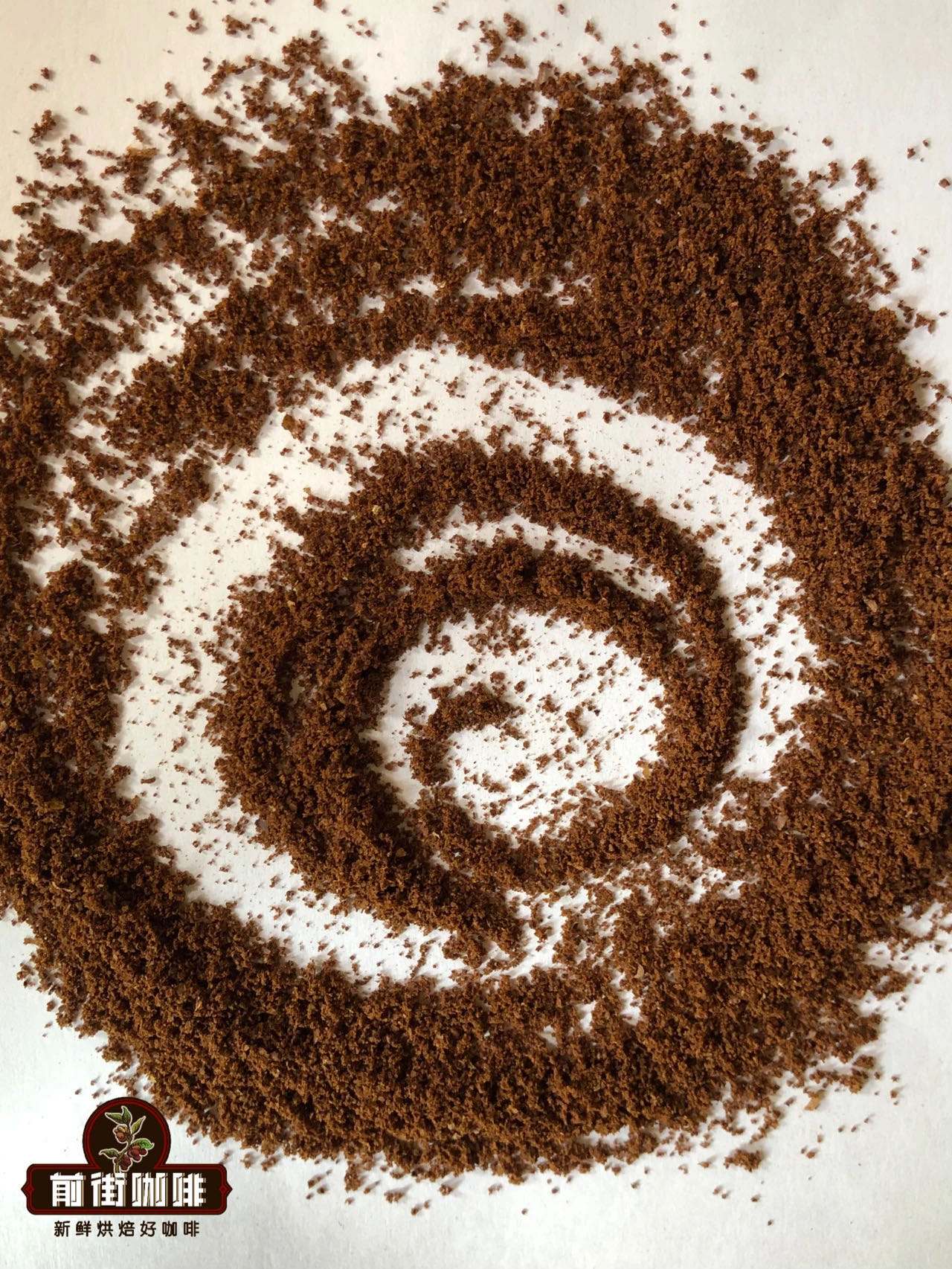
(Moka pot grind reference)

Light Roast Pour-Over Floral Coffee Beans Recommendation: Qianjie Yirgacheffe Gedeo Dingding, Qianjie Panama Hacienda La Esmeralda Green Label Geisha Coffee Beans, QianjiePanama Butterfly Coffee Beans
Daily medium-light roast Yirgacheffe pour-over floral coffee bean recommendation, Qianjie Yirgacheffe Guddina, light roast brings the signature white floral notesAromatic, with lemon-citrus fruit notes and a refreshing floral tea note; bright and crisp on the palate. Great value and an ideal entry-level pour-over coffee with floral and fruity notesAn unrivalled choice.
Moka pot, home espresso, and espresso-based milk drinks like latte — recommended beans: Qianjie Classic Espresso Blend, using BrazilianWest, with Mandheling Arabica and a small amount of Vietnamese Robusta fully blended, delivering a rich and outstanding espressocrema; overall style is rich and memorable. Qianjie Brazil Queen's Estate coffee beans and Qianjie Classic Espresso Blend coffee beans are both mochaA highly recommended option for pot-style espresso machines.
Fruity-floral signature espresso latte bean recommendation: Qianjie Strawberry Candy espresso blend, featuring strawberry gummy and rose aromas,Full-bodied sweetness with a grape and almond finish; especially stunning as an iced latte. Made from Costa Rican honey-process beans, PanamaBlended from Panama Geisha coffee beans and select beans from Colombia's Huila region. Not only does it overturn traditional espresso flavor, the cremaalso performs well, with impressive showings in creative specialty drinks.
Now available on Taobao store「 Qianjie Coffee 」To purchase the above coffee beans, Qianjie Coffee offers dozens of selected single-origin pour-over and espresso coffee beans from around the world. Qianjie CoffeeQianjie Coffee is a veteran specialty coffee roaster; beans are freshly roasted within 5 days, with consistent quality and highly competitive pricesGreat value, ships within 24 hours. Qianjie Coffee is recommended by many coffee lovers and platforms.
Taobao Qianjie Coffee Link: https://qianjiecoffee.taobao.com
Or search our shop directly on Taobao 「Qianjie Coffee」
Qianjie Coffee Store Address: 315 Donghuadong Road, Yuexiu District, Guangzhou

Site Recommendations: 耶加雪菲 花魁咖啡 瑰夏咖啡 波旁咖啡 蓝山咖啡 天堂鸟咖啡豆 曼特宁咖啡豆 PWN黄金曼特宁 星巴克菜单 咖啡豆种类
Please indicate the source when reprinting.
2026-08-15 14:02:07
