The layering of pour-over coffee depends largely on the pouring rhythm. Three-stage extraction divides the entire pouring process into blooming and two formal pouring stages. The water flow repeatedly penetrates the coffee bed, increasing contact and agitation between the coffee grounds and water, while preventing the powder wall at the edge of the filter paper from being broken. For beans from different origins and with different roast levels, this technique can present the flavor relatively completely.
The layering of pour-over coffee depends largely on the pouring rhythm. Three-stage extraction divides the entire pouring process into blooming and two formal pouring stages. Staged pouring allows the water flow to repeatedly penetrate the coffee bed, increasing contact and agitation between the coffee grounds and water, while preventing the powder wall at the edge of the filter paper from being broken. Therefore, for beans from different origins and with different roast levels, it can present the flavor relatively completely.

Introduction
Staged extraction is a relatively common brewing technique. Qianjie uses three-stage extraction in its daily production to enhance the layering of the coffee. So what flavors does each stage of three-stage extraction extract from the coffee? Why can staged extraction improve the layering of coffee?
What is three-stage extraction?
Simply put, three-stage extraction divides the entire pouring process into three parts, including the first stage of blooming. The advantage of three-stage extraction is that it can more fully extract the flavor substances of the coffee during extraction, enhance the layering of the coffee, and for most coffees from different origins and with different roast levels, it can express the coffee's flavor well.
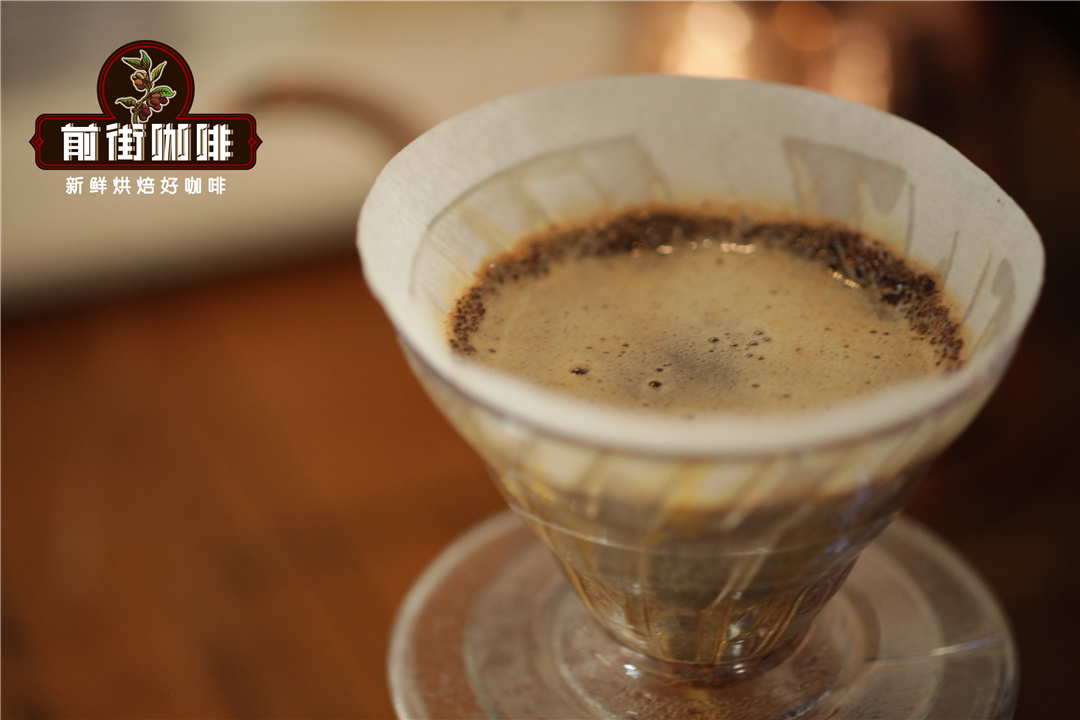
Why can staged extraction improve the layering of coffee?
Staged extraction makes it less likely for the coffee powder wall at the edge of the filter paper to be broken, and staged pouring also helps increase the agitation of the coffee grounds during brewing. The pouring water flow can penetrate the coffee grounds to improve the extraction rate.
From experience, if you want to brew coffee with layering, it is best to choose flavor-oriented single-origin coffees. If beginners do not know how to choose, buy Qianjie Sun-dried Huakui, Qianjie Honey-processed Blackberry, Qianjie Panama Geisha, Qianjie Sidra... These coffee beans are not only produced in high-altitude areas, but also because they use medium-light roasting, they retain the floral and fruity aromas of the coffee to the greatest extent, making it easier to highlight the layering of the coffee beans during brewing.

What coffee flavors does each stage of three-stage extraction extract?
This time, Qianjie used the washed Green Label Geisha coffee beans from Hacienda La Esmeralda in Panama as the brewing subject, and separated the coffee liquid extracted at each stage.
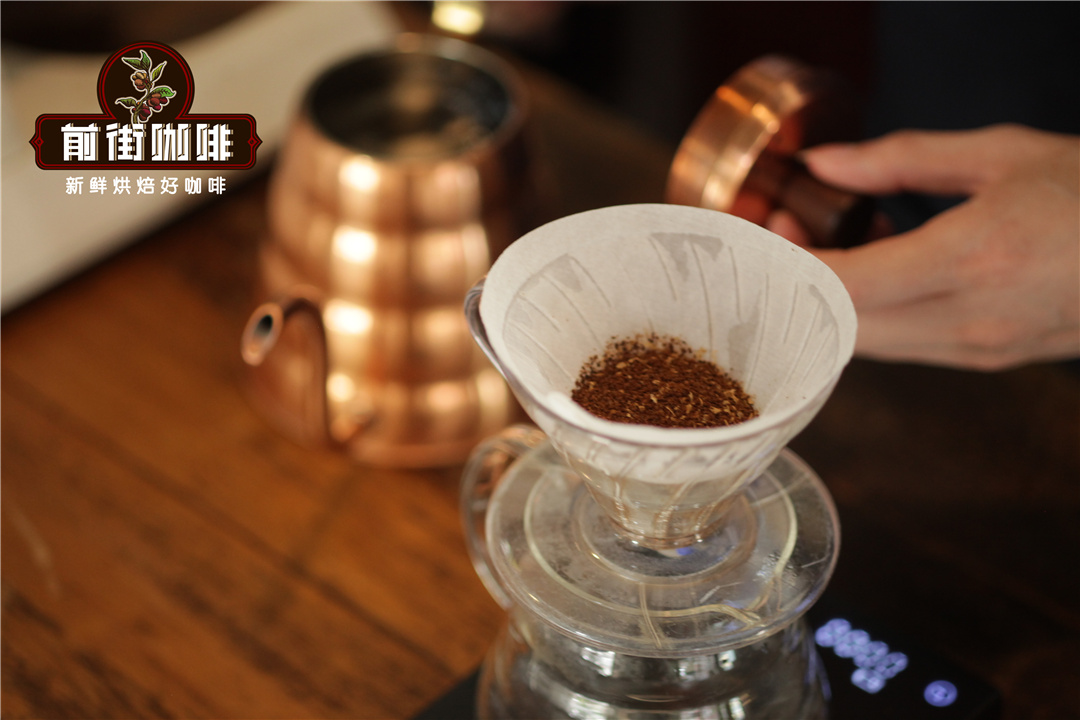
Extraction parameters for this session: V60#01 filter cup, 15g coffee grounds, coffee-to-water ratio 1:15, grind size 0.85mm sieve with a passing rate of 78~80% (about the texture of fine granulated sugar), water temperature 90°C.
First pouring stage: Before brewing begins, preheat all the sharing pots and the filter cup, and wet the filter paper. For the first stage, pour 30g in a circular motion, then bloom for 30 seconds. Coffee flavors extracted in the front stage: olive, plum, citrus, strong acidity, with a green and unripe sensation.
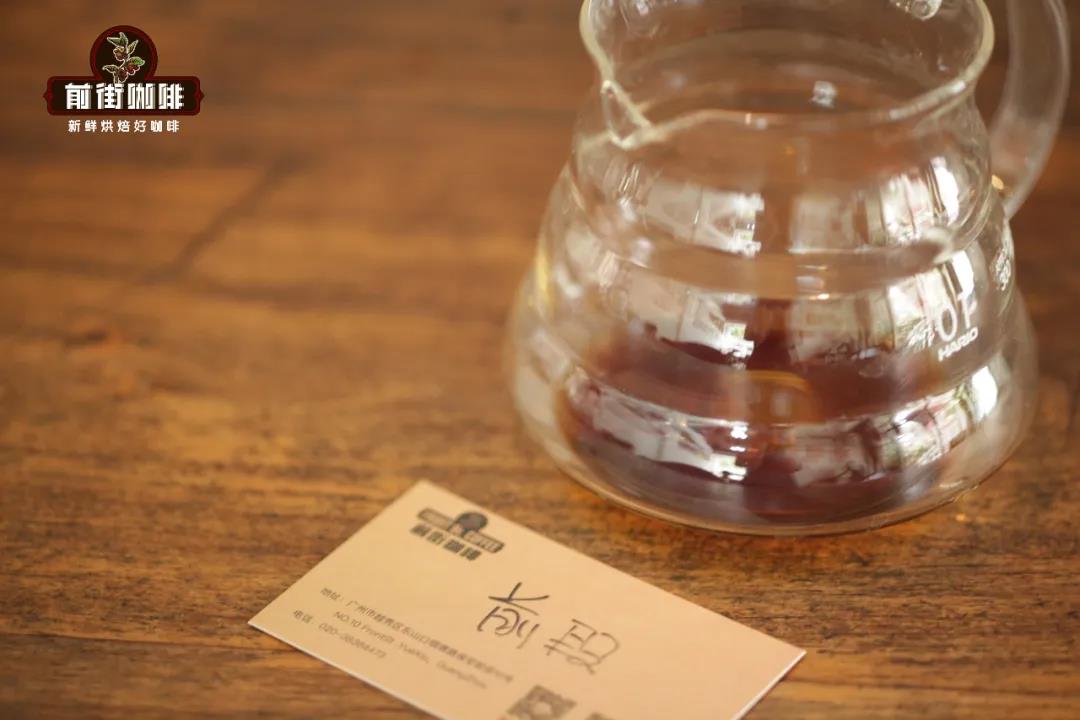
Second pouring stage: After blooming for 30 seconds, transfer the filter cup to the next sharing pot, then begin the second stage of circular pouring with 95g of water. Coffee flavors extracted in the middle stage: honey, brown sugar, caramel, almond, jasmine, tea sensation, with obvious sweetness.
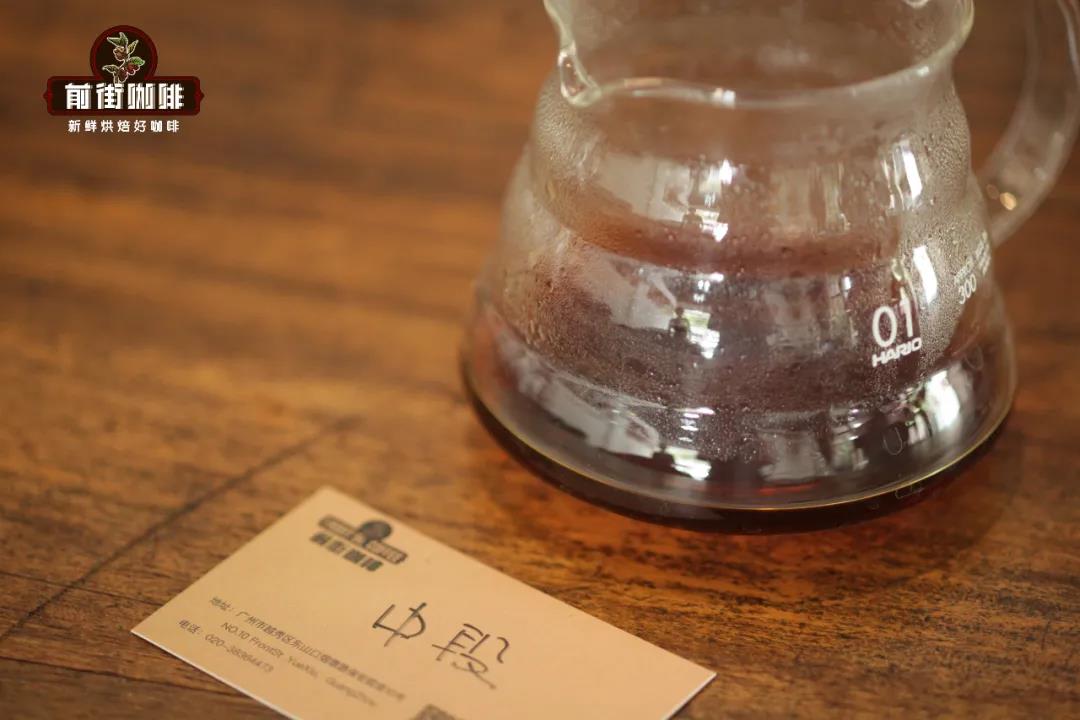
Third pouring stage: After the second stage coffee liquid has completely dripped through, transfer to the next sharing pot and begin the third stage of circular pouring with 100g of water. Coffee flavors extracted in the back end: woody aromas, the sweet aftertaste of Tieguanyin, flat.
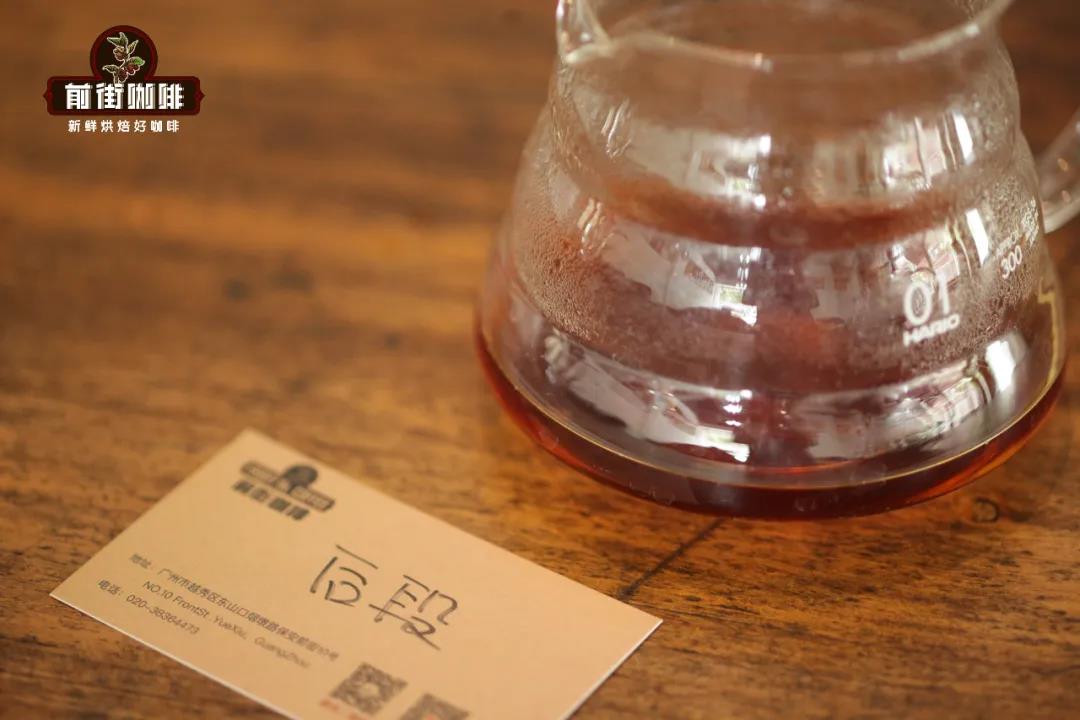
Judging from the coffee flavors extracted by the three stages of pouring, the purpose of the first blooming stage is not only to first let the coffee grounds soak evenly in hot water so that subsequent extraction can be more uniform, but the first stage is also the most important step in extracting the coffee's acidity. Because the amount of water poured is relatively small, the extracted coffee concentration is very high, and the flavor is relatively complex and changeable.
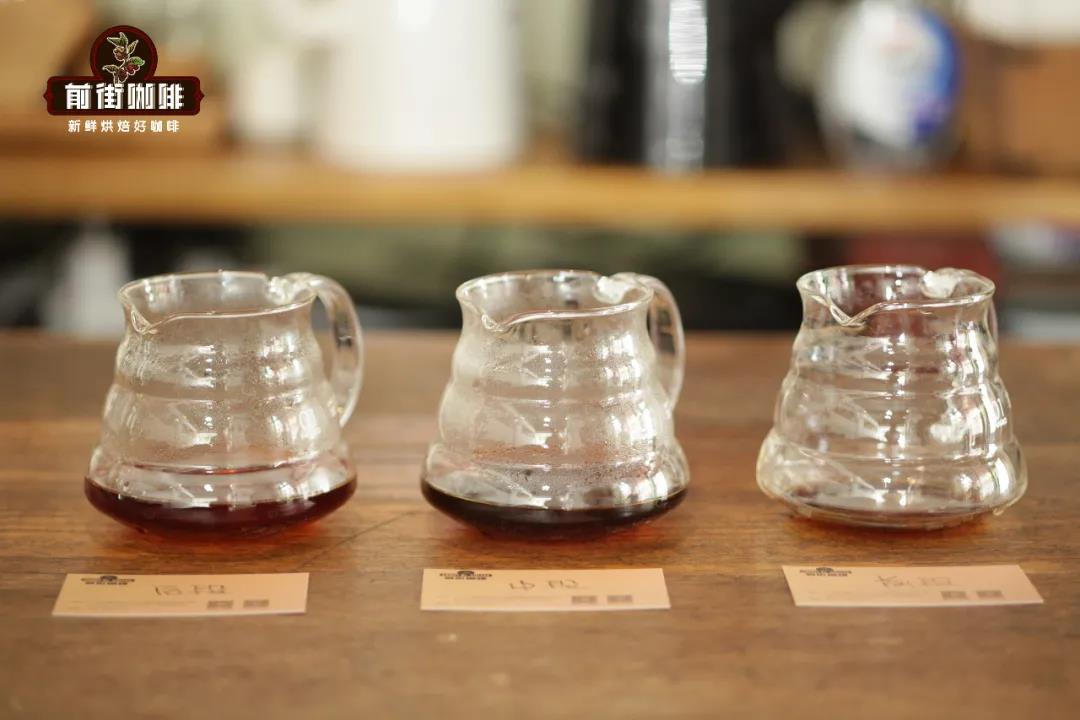
The second stage is mainly responsible for extracting the coffee's sweetness. Fewer substances are extracted, the acidity is not obvious, the concentration is not high, and it is somewhat flat. The third stage mainly extracts the coffee's full-bodied substances, but this is not obvious in this coffee bean. There is only a faint woody aroma and the sweet aftertaste of Tieguanyin. It has the lowest concentration among the three stages of extraction and tastes the flattest.
So what flavor is it when the coffee liquids from the three stages are mixed together?
Qianjie once again used three-stage brewing for this Green Label Geisha. After the coffee liquids from the three stages were mixed evenly, the flavor became very balanced and fresh. The coffee smells of the fresh fragrance of jasmine and the acidic aroma of citrus. When hot, the entrance brings the bright acidity of lemon, the fresh fragrance of jasmine, and the sweet aroma of honey.
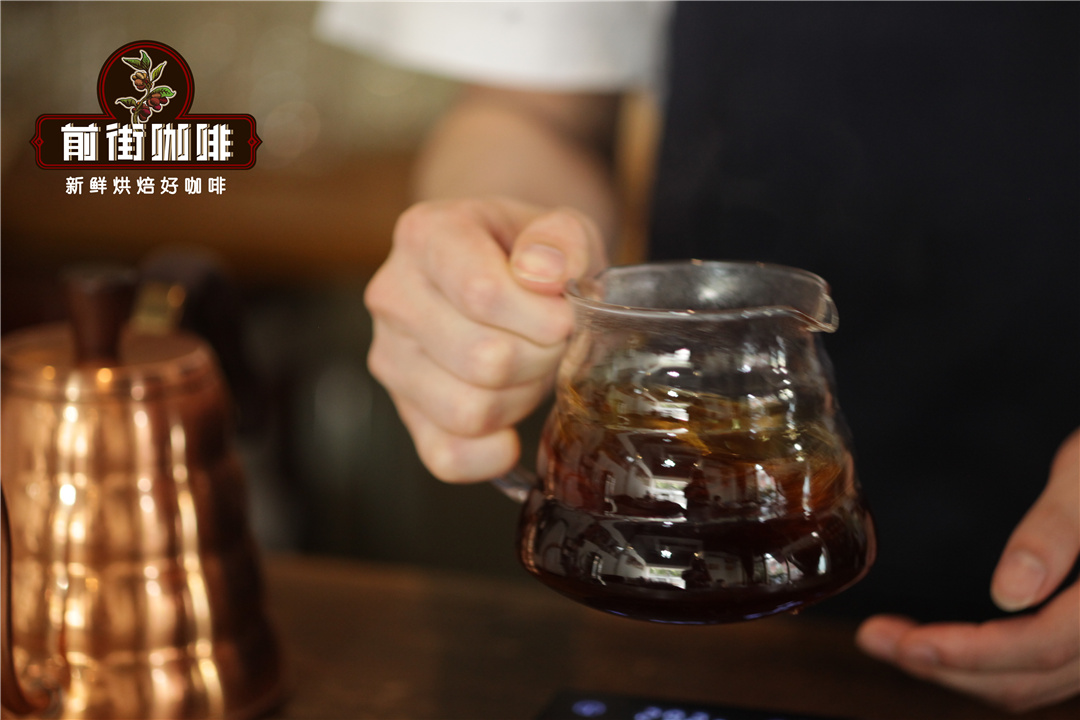
After the coffee liquid temperature drops slightly, the acidity of the lemon becomes more obvious, followed by the fresh fragrance of jasmine and ginger flower, the sweet aroma of honey, and an obvious Tieguanyin sweet aftertaste. After the coffee liquid has completely cooled, the acidity of the lemon decreases, and there is more of the fresh fragrance of flowers and the sweet aroma of honey.

Light Roast Pour-Over Floral Coffee Beans Recommendation: Qianjie Yirgacheffe Gedeo Dingding, Qianjie Panama Hacienda La Esmeralda Green Label Geisha Coffee Beans, QianjiePanama Butterfly Coffee Beans
Daily medium-light roast Yirgacheffe pour-over floral coffee bean recommendation, Qianjie Yirgacheffe Guddina, light roast brings the signature white floral notesAromatic, with lemon-citrus fruit notes and a refreshing floral tea note; bright and crisp on the palate. Great value and an ideal entry-level pour-over coffee with floral and fruity notesAn unrivalled choice.
Moka pot, home espresso, and espresso-based milk drinks like latte — recommended beans: Qianjie Classic Espresso Blend, using BrazilianWest, with Mandheling Arabica and a small amount of Vietnamese Robusta fully blended, delivering a rich and outstanding espressocrema; overall style is rich and memorable. Qianjie Brazil Queen's Estate coffee beans and Qianjie Classic Espresso Blend coffee beans are both mochaA highly recommended option for pot-style espresso machines.
Fruity-floral signature espresso latte bean recommendation: Qianjie Strawberry Candy espresso blend, featuring strawberry gummy and rose aromas,Full-bodied sweetness with a grape and almond finish; especially stunning as an iced latte. Made from Costa Rican honey-process beans, PanamaBlended from Panama Geisha coffee beans and select beans from Colombia's Huila region. Not only does it overturn traditional espresso flavor, the cremaalso performs well, with impressive showings in creative specialty drinks.
Now available on Taobao store「 Qianjie Coffee 」To purchase the above coffee beans, Qianjie Coffee offers dozens of selected single-origin pour-over and espresso coffee beans from around the world. Qianjie CoffeeQianjie Coffee is a veteran specialty coffee roaster; beans are freshly roasted within 5 days, with consistent quality and highly competitive pricesGreat value, ships within 24 hours. Qianjie Coffee is recommended by many coffee lovers and platforms.
Taobao Qianjie Coffee Link: https://qianjiecoffee.taobao.com
Or search our shop directly on Taobao 「Qianjie Coffee」
Qianjie Coffee Store Address: 315 Donghuadong Road, Yuexiu District, Guangzhou

Site Recommendations: 耶加雪菲 花魁咖啡 瑰夏咖啡 波旁咖啡 蓝山咖啡 天堂鸟咖啡豆 曼特宁咖啡豆 PWN黄金曼特宁 星巴克菜单 咖啡豆种类
Please indicate the source when reprinting.
2026-08-12 08:57:41
