Yunnan coffee is often simply called Yunnan small-batch coffee, and some even think that "small-batch" is an independent coffee tree species. In the eyes of merchants, this name means business opportunities, but at most it can only be regarded as a brand name and does not correspond to botanical classification. The real story of Yunnan coffee begins in 1904, when the French missionary Tian De Neng brought coffee seeds into Zhukula, Binchuan, Dali, and planted the first coffee tree; after that, Typica dominated for a long time, until Nestlé entered Yunnan and promoted Catimor, and the variety landscape was rewritten.

In recent years, with the wave of specialty coffee, Yunnan Arabica coffee has also attracted much attention as a shining example of domestic coffee. As the only region in mainland China that grows Arabica coffee beans, what advantages does Yunnan coffee have? Qianjie Coffee reveals the past and present of Yunnan coffee for everyone.
Yunnan coffee has a history of more than a hundred years
Looking at the world, the history of coffee in Yunnan is relatively short, but it has also gone through a century. In 1904, the French missionary Tian De Neng brought coffee seeds from abroad into Yunnan and successfully planted the first coffee tree in a village called Zhukula (now in Binchuan County, Dali). This can be called the beginning of Yunnan's coffee planting history.
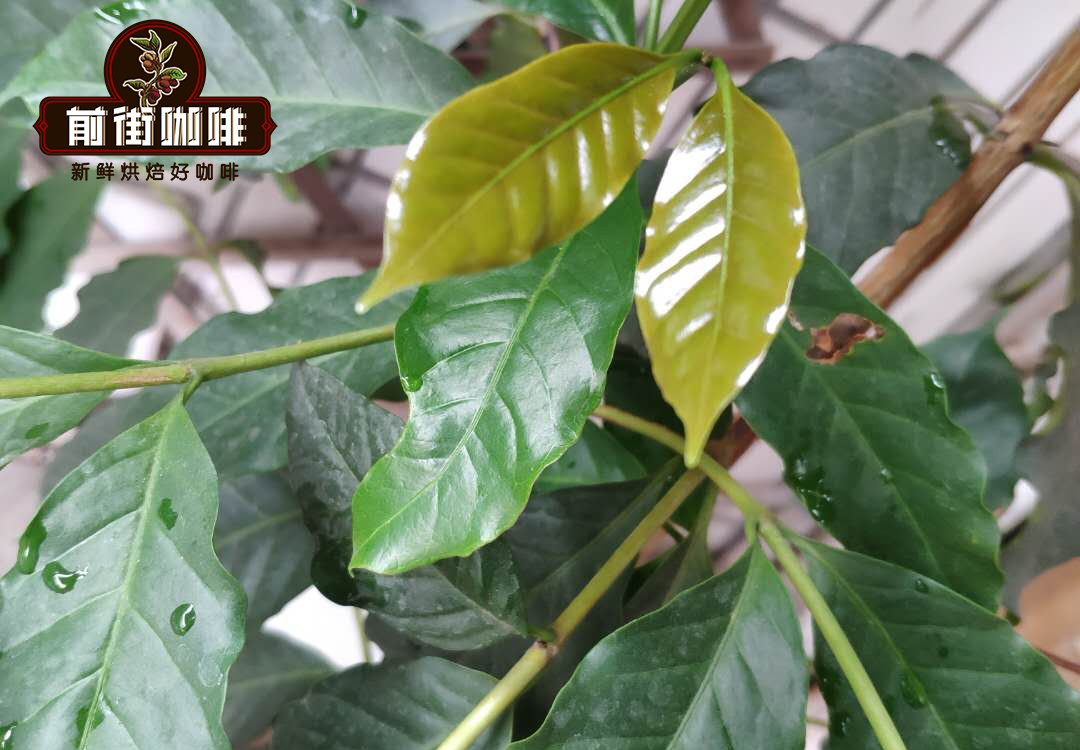
After 1930, the famous overseas Chinese leader Mr. Liang Jinshan brought coffee to Pupiao and Luoming for planting, and this continued until after the founding of New China. After 1952, under the guidance of expert Ma Guojin of the Baoshan Tropical Economic Research Institute, large-scale coffee planting began in Lujiang and other places, and the history of large-scale planting has now lasted nearly 60 years. At this time, all coffee varieties planted in Yunnan were Typica.
Subsequently, with further reform and opening up in 1992, a group of foreign-funded companies such as Nestlé entered Yunnan to develop Yunnan's coffee planting industry. At that time, the coffee variety Catimor provided by Nestlé was planted on a large scale. This variety is known for its high disease resistance and high yield, and it quickly replaced Typica, which had only good flavor but was delicate and weak, becoming the most important coffee variety in Yunnan. But at that time, the main use of Yunnan coffee was to sell it to Nestlé as raw material for instant coffee.
By the end of 1997, the province's coffee planting area had reached 7,800 hectares. At present, the province's planting area accounts for 70% of the national area, and output accounts for 83% of the country's. Whether judged by planting area or coffee bean output, Yunnan coffee has established its leading position in China.
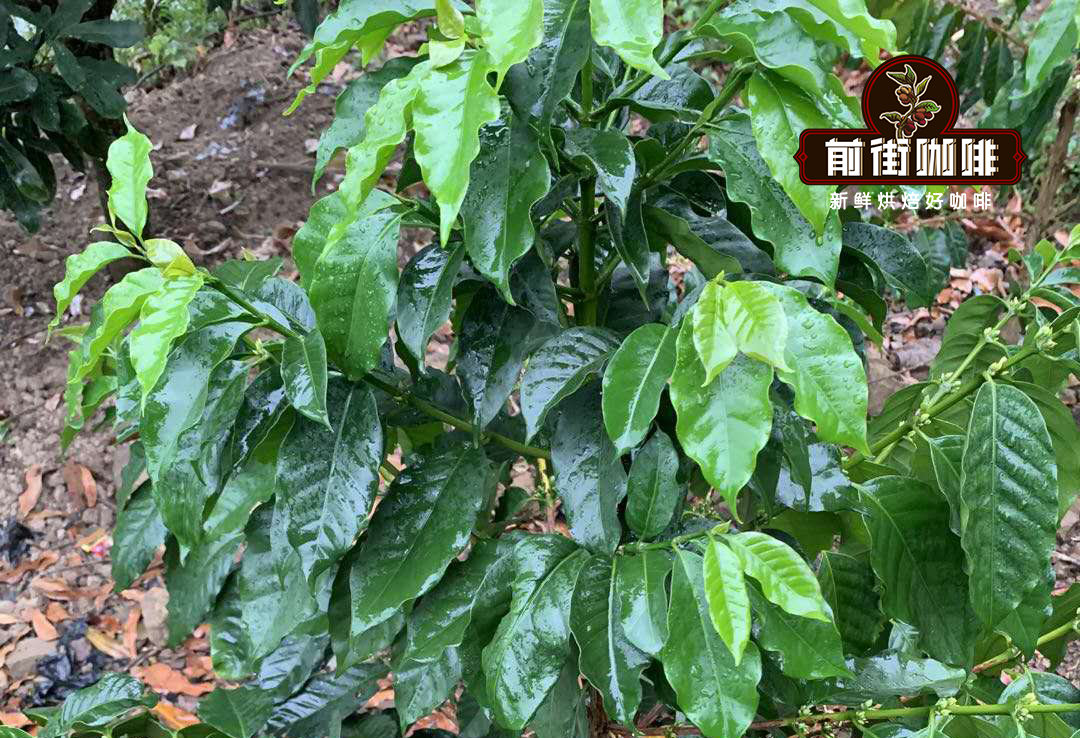
Now, as the wave of coffee specialization has swept the world since 2000, China's economy has also taken off since 2008, the people's material standard has greatly improved, and this has also promoted the development of specialty coffee in the country. Yunnan coffee has also begun to receive attention from Chinese people.
Traditional washed processing method of Yunnan coffee
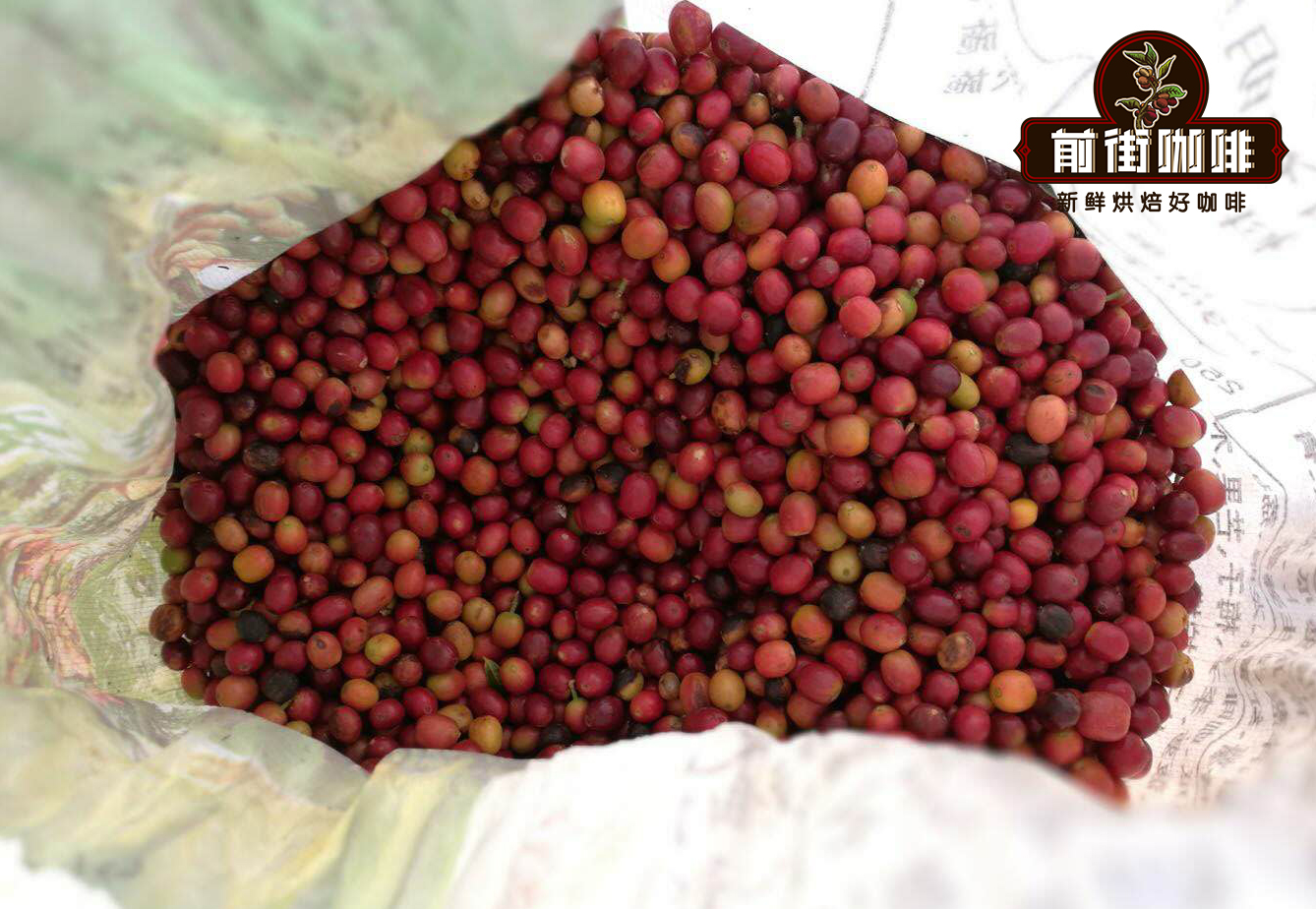
Qianjie's Yunnan coffee beans are usually processed by the washed method. The harvested cherries are passed through a pulper to separate most of the pulp from the coffee beans, and then the parchment beans are guided into a clean water tank and soaked in water for fermentation to completely remove the remaining pulp layer. In the past (about five years ago), the washed method was often the first choice for processing good coffee beans.
Through water processing, unripe beans and defective beans are selected out due to buoyancy, and the fermentation process is also easier to control. Therefore, unlike natural beans, the flavor does not have off-tastes, but presents obvious fruit acidity, slightly stronger complexity, and cleaner cup characteristics (without any negative flavors, such as astringency or sharpness).
About Yunnan's special processing methods
Today many new coffee processing methods have also appeared in Yunnan, and various anaerobic treatments are emerging one after another, creating various highly recognizable and unique flavors. As for these processing methods, Qianjie believes that they do have merits, but Qianjie still insists on starting from the planting region and coffee variety. Changes in processing methods only treat the symptoms, not the root cause; Catimor is always Catimor.
Only by starting from the source and choosing the correct planting altitude and coffee varieties with high-quality flavor can the long-term development of Yunnan coffee be sustainable. Therefore, Qianjie quietly began planting coffee in Yunnan as early as 2012. From seed to coffee bean, Qianjie Coffee took 5 years. Therefore, Qianjie still insists on using traditional processing techniques such as washing or natural processing to process coffee.
Qianjie 2013 · Yunnan Natural Typica Coffee Beans
Coffee origin: China, Yunnan, Lincang
Coffee variety: Typica
Production altitude: 1200 meters
Processing method: Natural
Roast level: Medium roast
Qianjie Coffee Roasting Analysis
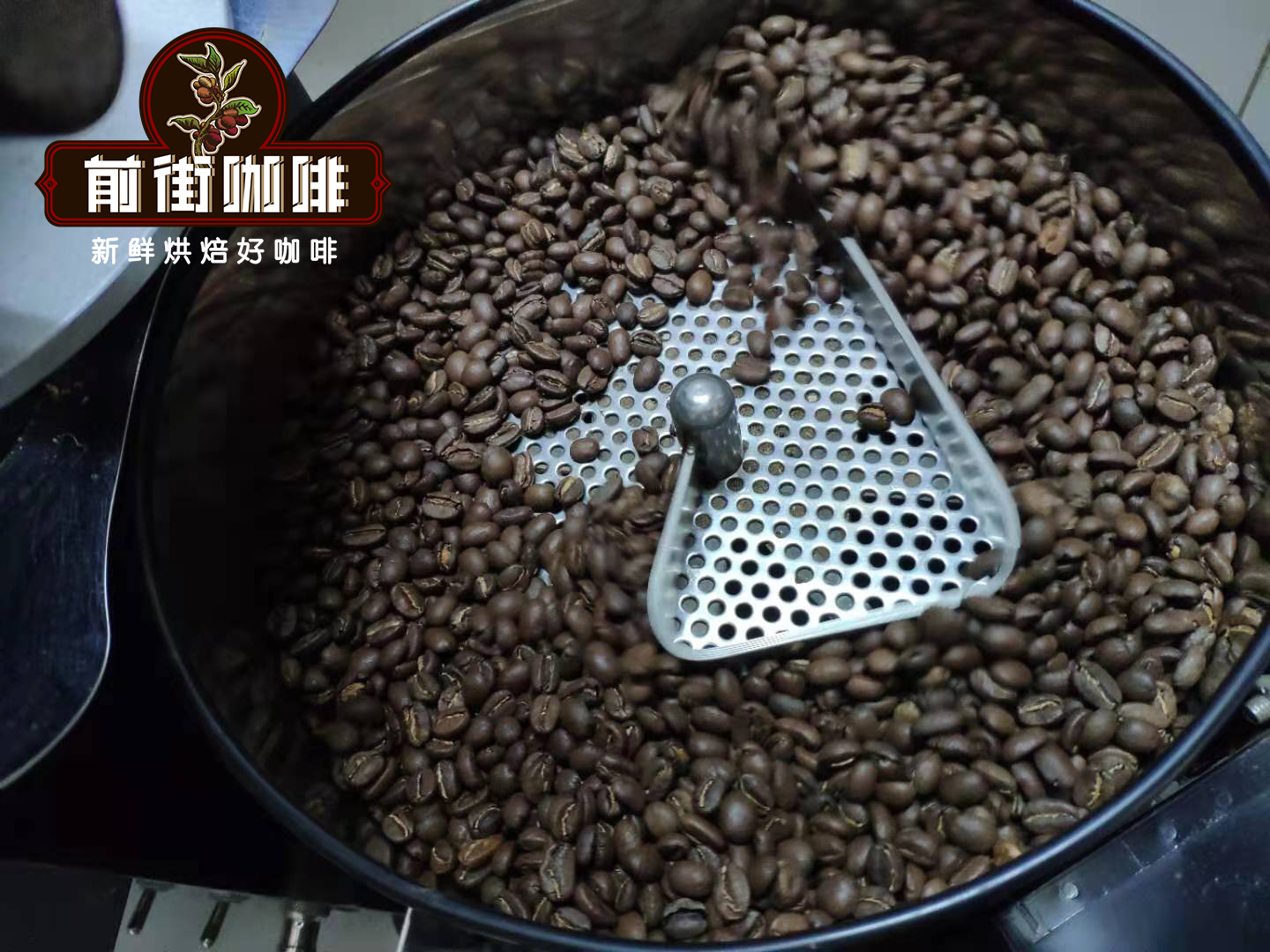
Qianjie 2013 Typica (Typica): For this bean, Qianjie selected a medium-light roast. Yangjia 800N (300g batch size): charge at 200°C, set airflow to 3, adjust heat to 160°C after 1 minute, turning point at 1'32", roast to 5'40" for yellowing at 149°C, when the grassy smell completely disappears and dehydration is complete, keep the heat unchanged and set airflow to 4; at the 6th minute, adjust heat to 140, at the 7th minute adjust heat again to 120, at the 8th minute the bean surface shows ugly wrinkles and dark spots, and the toast aroma clearly turns into coffee aroma, which can be defined as the prelude to first crack. At this time, listen carefully for the sound of first crack. At 8'37" first crack begins, adjust heat to 90, open airflow fully to 5, at the 9th minute reduce heat to 20, develop first crack for 2'00", and drop at 196°C.
Qianjie Coffee Cupping Report
Qianjie Coffee conducts cupping within 8-24 hours after the sample coffee beans are roasted. The cupping bowls generally used by Qianjie baristas are 200ml ceramic bowls marked with 150ml and 200ml graduation lines. According to SCAA standards, the TDS of water is about 150ppm. Too low TDS can easily cause over-extraction, while too high TDS affects taste and easily causes under-extraction. The water temperature used for cupping is 94°C. According to SCAA cupping standards, the grind size is controlled so that the passage rate through a No. 20 standard sieve (0.85 mm) is 70%-75%. Ratio: 11 grams of coffee grounds plus 200 milliliters of hot water, that is, 1:18.18, so that the extracted concentration falls exactly within the golden cup range of 1.15%-1.35%. Steeping time: 4 minutes.

Qianjie 2013 Typica Coffee Bean Cupping: Rich fruity aroma on entry, melon, herbal plant aroma, smooth on the palate, nuts in the middle, milk chocolate, lively and bright plum acidity in the finish, salivation on both sides of the cheeks, good balance, medium body with a full mouthfeel. As the temperature goes from hot to warm, you can feel the layered acidity and sweetness, first sweet then sour, apricot and citrus-toned acidity, black tea in the aftertaste, and a little brown sugar.

Qianjie Coffee Brewing Sharing
When Qianjie Coffee recommends brewing these two Yunnan coffees, it tends to favor balance, neither needing to emphasize acidity too much nor over-polishing the finish. Choose 15 grams of coffee grounds, and the recommended coffee-to-water ratio is 1:15; if you want a clearer flavor, you can use 1:16. Choose a Kono dripper, with a brewing water temperature of 88℃, in order to make the acidity softer. Grind degree: medium-fine grind / fine granulated sugar size (75% passing through a No. 20 sieve).

Qianjie's staged brewing method: use 30 grams of water for a 30-second bloom, pour in a small stream in circles until 125 grams for a stage break, and when the water level drops and is about to expose the coffee bed, continue pouring until 225 grams and stop pouring. When the water level drops and is about to expose the coffee bed, remove the dripper. (Start timing at the beginning of the bloom.) The extraction time is 2'00".
Through this brewing method, with Qianjie 2013 Natural Typica coffee beans you can taste obvious roasted nuts, soft acidity, overall balance and richness, solid dark chocolate aroma, and slight orange peel.

Light Roast Pour-Over Floral Coffee Beans Recommendation: Qianjie Yirgacheffe Gedeo Dingding, Qianjie Panama Hacienda La Esmeralda Green Label Geisha Coffee Beans, QianjiePanama Butterfly Coffee Beans
Daily medium-light roast Yirgacheffe pour-over floral coffee bean recommendation, Qianjie Yirgacheffe Guddina, light roast brings the signature white floral notesAromatic, with lemon-citrus fruit notes and a refreshing floral tea note; bright and crisp on the palate. Great value and an ideal entry-level pour-over coffee with floral and fruity notesAn unrivalled choice.
Moka pot, home espresso, and espresso-based milk drinks like latte — recommended beans: Qianjie Classic Espresso Blend, using BrazilianWest, with Mandheling Arabica and a small amount of Vietnamese Robusta fully blended, delivering a rich and outstanding espressocrema; overall style is rich and memorable. Qianjie Brazil Queen's Estate coffee beans and Qianjie Classic Espresso Blend coffee beans are both mochaA highly recommended option for pot-style espresso machines.
Fruity-floral signature espresso latte bean recommendation: Qianjie Strawberry Candy espresso blend, featuring strawberry gummy and rose aromas,Full-bodied sweetness with a grape and almond finish; especially stunning as an iced latte. Made from Costa Rican honey-process beans, PanamaBlended from Panama Geisha coffee beans and select beans from Colombia's Huila region. Not only does it overturn traditional espresso flavor, the cremaalso performs well, with impressive showings in creative specialty drinks.
Now available on Taobao store「 Qianjie Coffee 」To purchase the above coffee beans, Qianjie Coffee offers dozens of selected single-origin pour-over and espresso coffee beans from around the world. Qianjie CoffeeQianjie Coffee is a veteran specialty coffee roaster; beans are freshly roasted within 5 days, with consistent quality and highly competitive pricesGreat value, ships within 24 hours. Qianjie Coffee is recommended by many coffee lovers and platforms.
Taobao Qianjie Coffee Link: https://qianjiecoffee.taobao.com
Or search our shop directly on Taobao 「Qianjie Coffee」
Qianjie Coffee Store Address: 315 Donghuadong Road, Yuexiu District, Guangzhou

Site Recommendations: 耶加雪菲 花魁咖啡 瑰夏咖啡 波旁咖啡 蓝山咖啡 天堂鸟咖啡豆 曼特宁咖啡豆 PWN黄金曼特宁 星巴克菜单 咖啡豆种类
Please indicate the source when reprinting.
2026-09-17 16:42:32
