On the Ethiopian plateau, the story of the shepherd Kaldi is told: he discovered that his goats became excited after eating a certain red fruit, and when he tried it himself, he felt refreshed, so he shared this discovery with the villagers. The connection between this legend and the place name Kaffa serves as an entry point for understanding Ethiopian coffee culture, and also gives coffees like Yirgacheffe, with their citrus and floral aromas, a more concrete origin story to tell.

I believe many coffee people have heard that Ethiopia is the birthplace of coffee, and the local coffee culture is very strong. Ethiopians' love of coffee is renowned worldwide, and the various coffee shops scattered throughout the streets and alleys seem to remind you that this is the birthplace of coffee.
The Story of the Shepherd and Coffee
Legend has it that on the highlands of Ethiopia in Africa, a shepherd named Kaldi, while grazing his flock,偶然 discovered that his goats had become incredibly excited after eating some kind of wild red fruit. Curious, he also picked some and took them home to taste. After eating them, he felt refreshed and particularly energized, so he shared them with the villagers. As the news spread, coffee beans reached the Arabian Peninsula, and cultivation and trade gradually developed, beginning coffee beans' centuries-long global journey.

In the Ethiopian language, coffee is "bunn" or "buna". The origin of coffee is Kaffa. So coffee is sometimes called "Kaffa bunn", or coffee from Kaffa. Therefore, the word "coffee bean" is generally considered to be an anglicization of "Kaffa bunn". The English word coffee derives from the Ethiopian place name "Kaffa". Here, coffee is more like a local cultural belief. The Ethiopian people have well preserved the most original purity of coffee. They use the most primitive iron pestle to grind charcoal-roasted coffee beans into powder, put them into a coffee pot, and the boiling coffee slowly releases its unique aroma, to be enjoyed with traditional bread.

Yirgacheffe is synonymous with Ethiopian specialty coffee
Coffee cultivation in Ethiopia is mainly concentrated in the western and southern regions, with smallholder families accounting for 90% of total cultivation; nearly 1.2 million smallholder families make their living from coffee cultivation. Administratively, all five major states in Ethiopia cultivate coffee, with Harar coffee, Yirgacheffe coffee and Sidamo coffee being the most well-known. Among them, Yirgacheffe is a very small town, yet it produces thousands of tons of specialty coffee every year, showing that the Yirgacheffe producing region holds a pivotal position in Ethiopia.
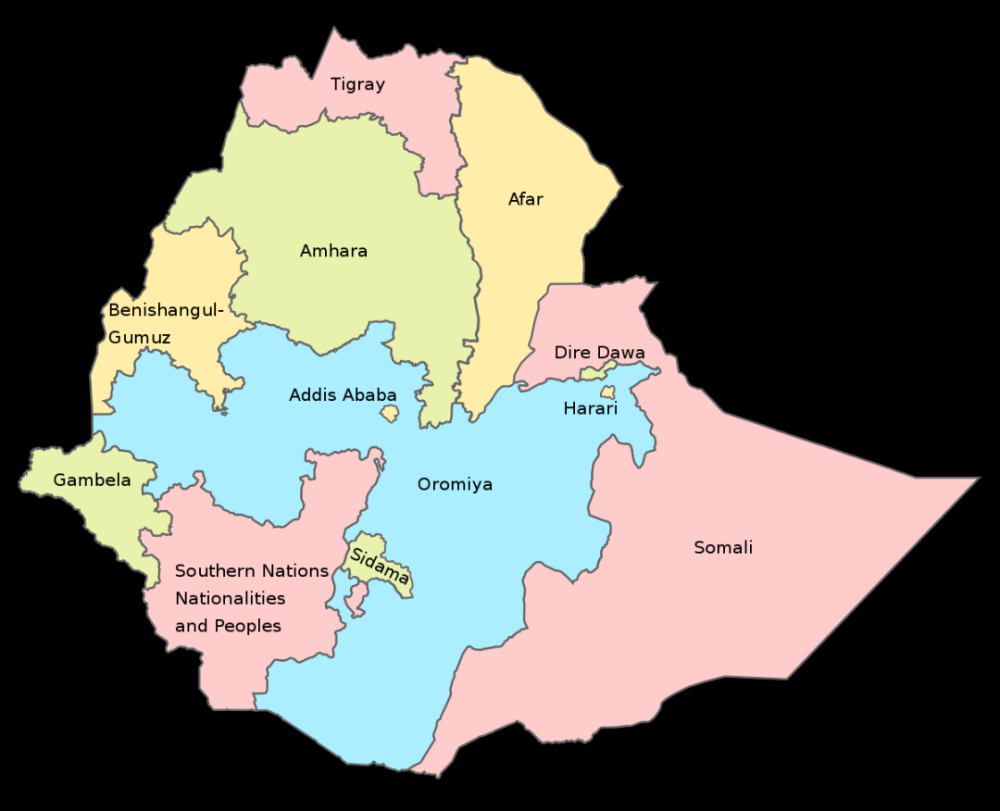
Ethiopia's coffee production systems fall into four types: forest coffee, semi-forest coffee, garden coffee, and large plantations, with garden coffee being the most common, with each household cultivating no less than 4 hectares. Because the coffee yields of smallholders are small, there are coffee cooperatives and processing plants of various sizes locally, mainly responsible for processing the green coffee beans of the region. Farmers deliver their harvested coffee beans to nearby processing plants built near water sources for unified processing, and the coffee is subsequently sold under the name of the processing plant.
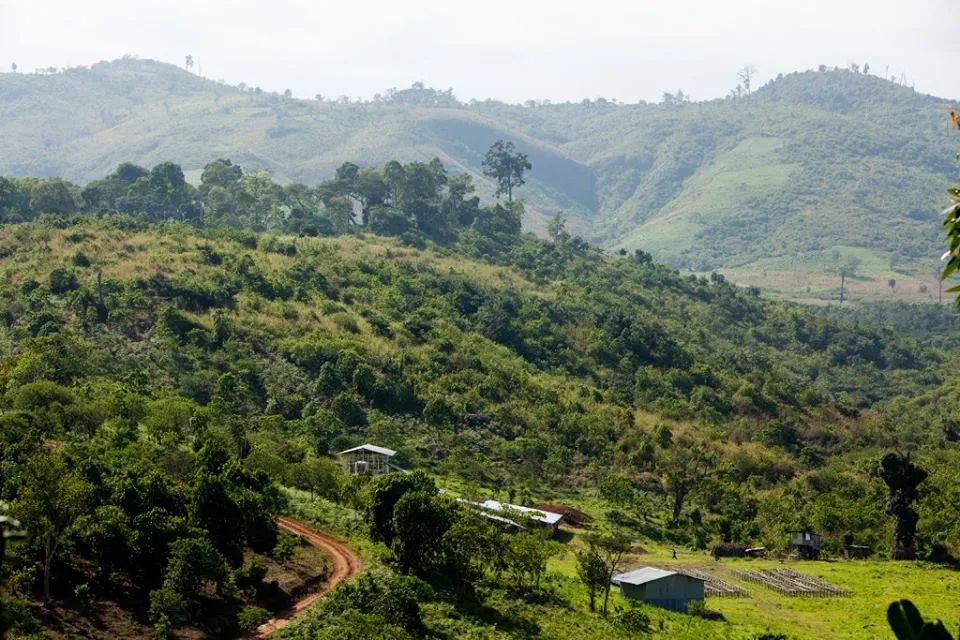
The Gotiti Cooperative was originally part of the Worka Cooperative under the Yirgacheffe Coffee Farmers Cooperative Union (YCFCU). But later, as people pursued traceability of green coffee beans, independent "single-origin" lots were discovered one by one by coffee hunters around the world, so in 2012, a production team with about 300 member farmers was established independently as the "Gotiti Cooperative." Among the guests who come to Qianjie to drink coffee, if they want a washed coffee with fruity notes, the Qianjie baristas will prioritize recommending the Gotiti Cooperative coffee on the bean shelf. The washed Gotiti Cooperative coffee not only lacks the heavy bitterness of traditional black coffee, but its fresh and bright citrus and lemon acidity, along with the fragrance of jasmine, makes many coffee people fall in love with it at first sip.
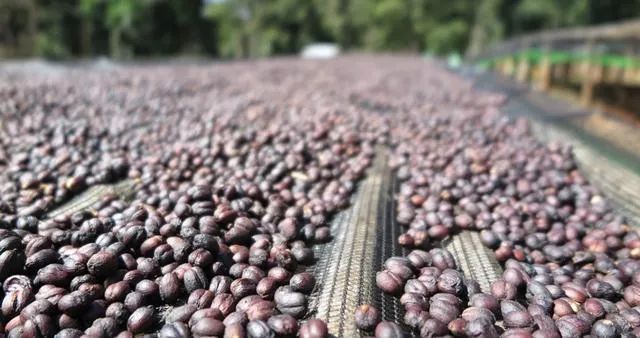
Traditionally, after harvesting the coffee cherries, farmers place them directly on patios or spread them flat on the ground to dry in direct sunlight. When the moisture content of the coffee cherries reaches only about 12%, they can be sent for hulling and bagging. Coffee beans processed this way are prone to earthy flavors, over-fermentation, and rotten fruit flavors. To improve the defective flavors caused by this sun-drying method, Ethiopia introduced washed processing technology from Central and South America. During the washing process, there are multiple steps that can remove defective beans, resulting in a cleaner acidity in flavor and taking the aroma of Yirgacheffe to the next level.

Gotiti Cooperative Coffee Pour-Over Flavor Description
Qianjie believes that Yirgacheffe is mainly represented by its fruity acidity, and is more suited to light roasting to highlight Yirgacheffe's bright fruit acidity. For freshly roasted Yirgacheffe, Qianjie will conduct cupping evaluation as soon as possible. The dry aroma of the washed Gotiti Cooperative coffee exudes fresh passion fruit, citrus, and berry acidity. The wet aroma is citrus and berries; on the palate, citrus acidity, berry sweetness, almond, and tea notes, with a finish that carries honey sweetness. Low body, bright acidity, clean and refreshing.

After roasting is completed, coffee beans need 4-7 days of degassing and resting before entering their optimal tasting stage. As storage time lengthens, the coffee's aroma accelerates in volatilizing, and the flavor and mouthfeel are greatly diminished. To ensure that everyone drinks the coffee at its best flavor period, Qianjie ensures that only beans freshly roasted within 5 days are shipped, so that the coffee beans you receive have the best aroma.
Because Yirgacheffe is grown at high altitude and roasted to a lighter degree, the internal texture of the coffee beans has not been changed too much. In order to release more abundant aromas, Qianjie uses higher water temperature and a finer grind size for extraction, paired with a V60 dripper. The V60 dripper body has guiding ribs connecting the top and bottom and a large circular hole in the center, which speeds up the flow rate of water falling, while the spiral-shaped exhaust groove design lengthens the water flow path and increases the contact time between coffee grounds and hot water. Each stream of water converges along the grooves toward the center of the dripper, concentrating the pressure on the coffee grounds and resulting in a brewed coffee with richer layers.

Yirgacheffe brewing parameters:
Dripper: V60
Water temperature: 92-93°C
Dose: 15g
Coffee-to-water ratio: 1:15
Grind size: fine granulated sugar size (78% passing through a No. 20 sieve)
In the first stage, pour 30 grams of water for a 30-second bloom, then pour 95 grams (the scale shows about 125 grams), finishing the pour in about 1 minute. When the water level drops to 2/3 of the coffee bed, pour the remaining 100 grams (the scale shows about 225 grams), finishing the pour in about 1 minute 35 seconds. Dripping is completed at 2'10", remove the dripper, and extraction is complete.

Washed Gotiti Cooperative flavor: on the palate, jasmine, lemon, citrus, and green tea; as the temperature changes, there are finish notes of berries, cream, and sugarcane; the sweetness returns明显, and the mouthfeel is clean and sweet.

Light Roast Pour-Over Floral Coffee Beans Recommendation: Qianjie Yirgacheffe Gedeo Dingding, Qianjie Panama Hacienda La Esmeralda Green Label Geisha Coffee Beans, QianjiePanama Butterfly Coffee Beans
Daily medium-light roast Yirgacheffe pour-over floral coffee bean recommendation, Qianjie Yirgacheffe Guddina, light roast brings the signature white floral notesAromatic, with lemon-citrus fruit notes and a refreshing floral tea note; bright and crisp on the palate. Great value and an ideal entry-level pour-over coffee with floral and fruity notesAn unrivalled choice.
Moka pot, home espresso, and espresso-based milk drinks like latte — recommended beans: Qianjie Classic Espresso Blend, using BrazilianWest, with Mandheling Arabica and a small amount of Vietnamese Robusta fully blended, delivering a rich and outstanding espressocrema; overall style is rich and memorable. Qianjie Brazil Queen's Estate coffee beans and Qianjie Classic Espresso Blend coffee beans are both mochaA highly recommended option for pot-style espresso machines.
Fruity-floral signature espresso latte bean recommendation: Qianjie Strawberry Candy espresso blend, featuring strawberry gummy and rose aromas,Full-bodied sweetness with a grape and almond finish; especially stunning as an iced latte. Made from Costa Rican honey-process beans, PanamaBlended from Panama Geisha coffee beans and select beans from Colombia's Huila region. Not only does it overturn traditional espresso flavor, the cremaalso performs well, with impressive showings in creative specialty drinks.
Now available on Taobao store「 Qianjie Coffee 」To purchase the above coffee beans, Qianjie Coffee offers dozens of selected single-origin pour-over and espresso coffee beans from around the world. Qianjie CoffeeQianjie Coffee is a veteran specialty coffee roaster; beans are freshly roasted within 5 days, with consistent quality and highly competitive pricesGreat value, ships within 24 hours. Qianjie Coffee is recommended by many coffee lovers and platforms.
Taobao Qianjie Coffee Link: https://qianjiecoffee.taobao.com
Or search our shop directly on Taobao 「Qianjie Coffee」
Qianjie Coffee Store Address: 315 Donghuadong Road, Yuexiu District, Guangzhou

Site Recommendations: 耶加雪菲 花魁咖啡 瑰夏咖啡 波旁咖啡 蓝山咖啡 天堂鸟咖啡豆 曼特宁咖啡豆 PWN黄金曼特宁 星巴克菜单 咖啡豆种类
Please indicate the source when reprinting.
2026-08-02 18:01:02
