Looking at the packaging of Ethiopian coffee beans, the variety column often says Heirloom, which literally translates to "heirloom," and in the coffee context refers to old Arabica varieties passed down through generations locally; in Chinese it is mostly translated as "native species." Ethiopia is estimated to possess tens of thousands of such varieties, the vast majority of which have not yet undergone formal genetic identification, and many still grow in the wild today, only later being introduced to coffee farms in various places. Precisely because the varieties are diverse and genetically varied, beans from different batches in the same producing region also often differ in flavor, which adds a somewhat unreplicable undertone to the citrus and floral notes in the cup.
When tasting Ethiopian coffee back then, the pleasant flavors such as citrus and floral notes made you unable to resist checking the origin information of the Ethiopian coffee beans, and in the variety column you would see "Heirloom" written—what kind of coffee variety is this exactly? FrontStreet Coffee today will talk about Ethiopian coffee varieties.
What does "Heirloom" mean?
According to the Oxford English Dictionary, the word "Heirloom" is defined as "a valuable property passed down through generations," meaning "heirloom." Likewise, in the coffee field, the term is widely used to refer to old varieties of Arabica coffee plants that have existed for some time. In Chinese translation, the term "local native species" is generally used to represent it.
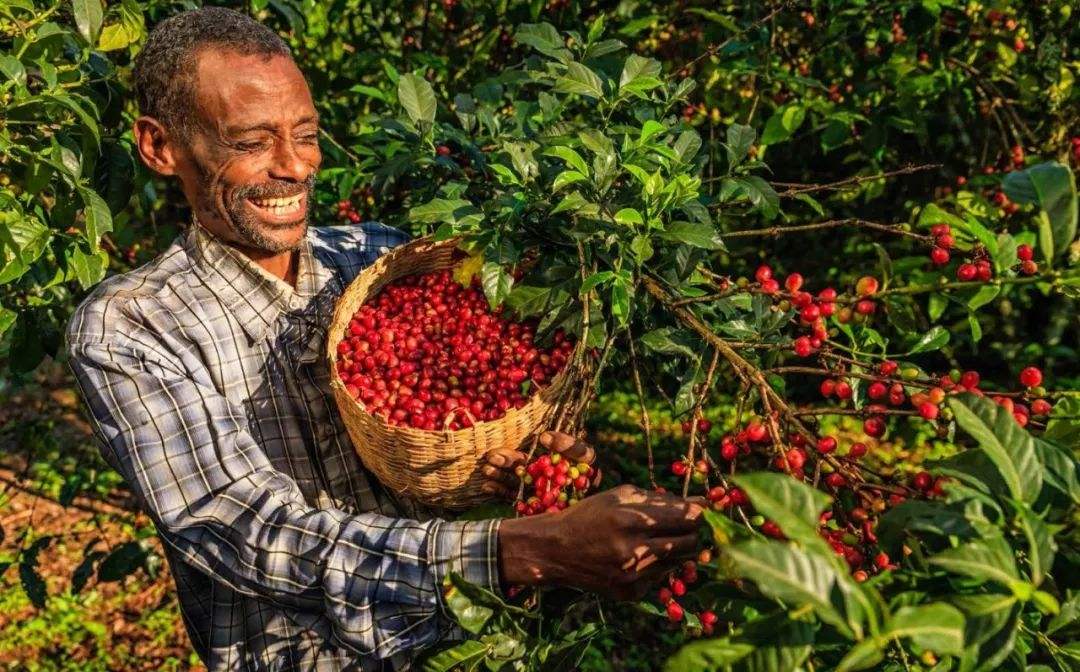
However, especially in Ethiopia, the term "local native species" is usually used to refer to the country's native varieties, many of which are still found in the wild today. It is estimated that there are roughly 10,000 to 15,000 heirloom varieties in Ethiopia today, most of which have not yet undergone formal genetic identification.
Although many heirloom varieties began by living as wild plants, they were later brought to various specialty coffee farms across the country, where they are cultivated, harvested, and processed.

Ethiopian native species (Heirloom) describes an old variety of a plant grown for food. Some say a variety must be more than 100 years old to be classified as an heirloom, while others say 50 years. Others classify heirloom plants as those dating from before 1945, around the time hybrid varieties were introduced, or 1951, when hybrids became more widespread.
Local native varieties are generally divided into two categories: JARC varieties and regional landraces. JARC varieties are those developed and studied by the Jimma Agricultural Research Center (possessing desirable traits such as higher disease resistance or higher yield). Regional landraces, however, are coffee trees growing entirely in the wild.
In Ethiopia, there is also a "semi-forest system," in which "larger forest areas are (usually) owned by private groups."
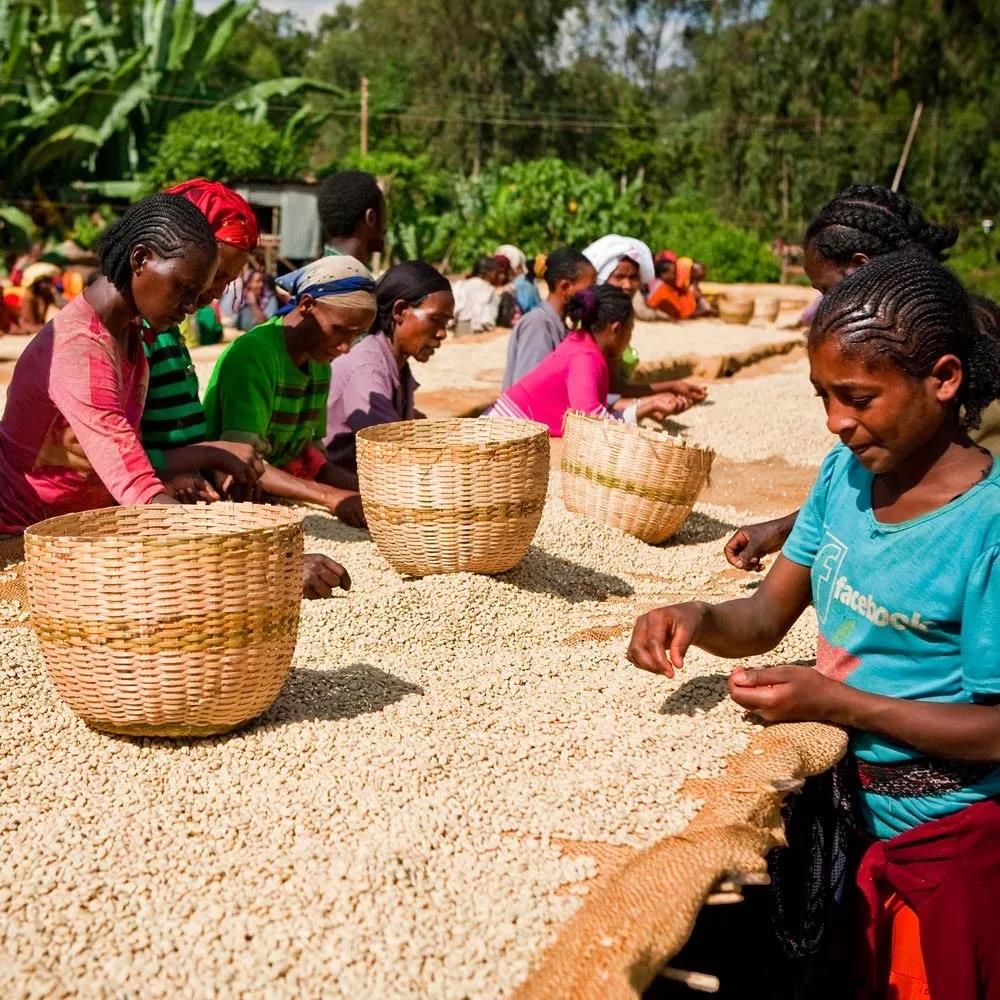
The biggest problem with local native species is that most are in a wild state, making it difficult for farmers to identify and separate varieties in the wild, whereas on farms, pickers and producers can better separate each variety. Among the thousands of different heirloom varieties in Ethiopia (whether identified or not), there are many different characteristics, including yield, cupping quality, flavor, and disease resistance.
Therefore, when you see that Ethiopian coffee beans vary greatly in size and appearance, it does not mean that the quality of Ethiopian coffee beans is low. Rather, it means that there are actually many different varieties of coffee beans inside, so differences in size are entirely normal. If you want to discover the characteristics of Ethiopian coffee, just buy a bag of native species coffee beans and observe them—first choice: FrontStreet Gudingding Cooperative, FrontStreet Sun-Dried Red Cherry, FrontStreet Kaffa Forest.

Moreover, the flavor of Ethiopian beans varies more from year to year than that of beans from other producing countries. The most obvious example is FrontStreet Sidamo Sun-Dried Huakui coffee beans: the 2017 Huakui was famous for its strawberry flavor, and even though it came from the same place, the strawberry flavor of later Huakui coffee beans became weaker and weaker, until Huakui 5.0 in 2021, whose flavor characteristics were already very far from those of the 2017 Huakui.
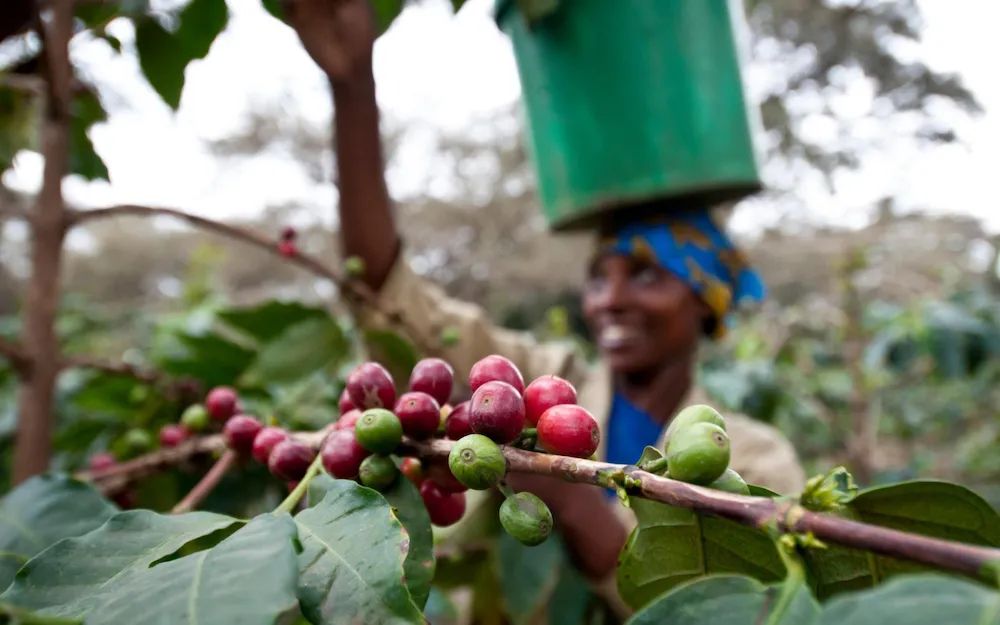
The Ethiopian authorities are also aware of this; using the name "Heirloom" to "fudge it" year after year is not a long-term solution, but separating and classifying coffee varieties one by one from the coffee forests is also unrealistic. Thus, Ethiopian coffee beans exported now are gradually using the term "Landrace" instead.
Landrace means local variety, referring to plants that have a historical origin, unique characteristics, genetic diversity, can adapt to local conditions, and coordinate well with farmers' field management. Yirgacheffe, for example, is likewise an indistinguishable variety, forming its characteristic flavor after becoming accustomed to the local geographical environment. Local people are also accustomed to calling the coffee varieties in the Yirgacheffe region "Kurume." Similarly, there are Sidamo's local varieties such as Dega and Walisho.

Of course, in addition to these varieties named after regions, Ethiopia also screens and studies coffee varieties. For example, 74110, 74112, 74158... which have frequently appeared in green bean competitions in the past two years—these "number" varieties are actually varieties selected and bred by the Jimma Agricultural Research Center, also called JARC varieties. The first two of these five digits represent the year the samples were collected for classification and selection, and the last three are the coffee number selected in the classification. For example, 74110 is the variety numbered 110 selected in 1974.
Therefore, in the future, in the variety column on Ethiopian coffee beans, the frequency of Heirloom will become less and less, replaced by Landrace and those coffee varieties that have already been clearly named.

Light Roast Pour-Over Floral Coffee Beans Recommendation: Qianjie Yirgacheffe Gedeo Dingding, Qianjie Panama Hacienda La Esmeralda Green Label Geisha Coffee Beans, QianjiePanama Butterfly Coffee Beans
Daily medium-light roast Yirgacheffe pour-over floral coffee bean recommendation, Qianjie Yirgacheffe Guddina, light roast brings the signature white floral notesAromatic, with lemon-citrus fruit notes and a refreshing floral tea note; bright and crisp on the palate. Great value and an ideal entry-level pour-over coffee with floral and fruity notesAn unrivalled choice.
Moka pot, home espresso, and espresso-based milk drinks like latte — recommended beans: Qianjie Classic Espresso Blend, using BrazilianWest, with Mandheling Arabica and a small amount of Vietnamese Robusta fully blended, delivering a rich and outstanding espressocrema; overall style is rich and memorable. Qianjie Brazil Queen's Estate coffee beans and Qianjie Classic Espresso Blend coffee beans are both mochaA highly recommended option for pot-style espresso machines.
Fruity-floral signature espresso latte bean recommendation: Qianjie Strawberry Candy espresso blend, featuring strawberry gummy and rose aromas,Full-bodied sweetness with a grape and almond finish; especially stunning as an iced latte. Made from Costa Rican honey-process beans, PanamaBlended from Panama Geisha coffee beans and select beans from Colombia's Huila region. Not only does it overturn traditional espresso flavor, the cremaalso performs well, with impressive showings in creative specialty drinks.
Now available on Taobao store「 Qianjie Coffee 」To purchase the above coffee beans, Qianjie Coffee offers dozens of selected single-origin pour-over and espresso coffee beans from around the world. Qianjie CoffeeQianjie Coffee is a veteran specialty coffee roaster; beans are freshly roasted within 5 days, with consistent quality and highly competitive pricesGreat value, ships within 24 hours. Qianjie Coffee is recommended by many coffee lovers and platforms.
Taobao Qianjie Coffee Link: https://qianjiecoffee.taobao.com
Or search our shop directly on Taobao 「Qianjie Coffee」
Qianjie Coffee Store Address: 315 Donghuadong Road, Yuexiu District, Guangzhou

Site Recommendations: 耶加雪菲 花魁咖啡 瑰夏咖啡 波旁咖啡 蓝山咖啡 天堂鸟咖啡豆 曼特宁咖啡豆 PWN黄金曼特宁 星巴克菜单 咖啡豆种类
Please indicate the source when reprinting.
2026-08-17 10:45:38
