Iced pour-over looks like it's just swapping hot water for ice, yet failures are especially common: the sweet-tart balance gets diluted, the aroma dissipates as it warms, and by the bottom of the cup only a watery taste remains. The root cause usually lies at the starting point—low temperature amplifies bitterness and suppresses body, so dark roasts aren't very suitable; light-to-medium roasts with citrus, white floral, or berry sweet-tart notes can better hold up to the refreshing clarity after icing. Choose the right beans first, then talk about ratios and pouring—that's the foundation for recreating that cup from the café.

More and more people are unlocking various coffee methods at home; a good iced pour-over is no longer exclusive to the café but a delicious cup you can recreate anytime. But some beginners think that although iced pour-over looks simple, it's actually very easy to fail when you actually make it—either it lacks sweet-tartness, or it isn't cold enough, or it lacks aroma as it warms, and by the last sip even the coffee flavor turns thin.
In this article, Qianjie breaks down the café-style iced pour-over, hoping to help everyone quickly find the tricks to a delicious cup.
01 Coffee Beans
Qianjie certainly knows there's no right or wrong in taste, but for beginners, good coffee is eighty percent about the beans—choosing the right material will get twice the result with half the effort. If you ask a barista to recommend a bean for iced pour-over, they'll most likely point to a light-to-medium roast single origin, then tell you how it turns out. Because iced pour-over is low in temperature and pursues the coffee's refreshing, clean, and transparent character, the aroma must not be washed out after adding ice, and it's suited to presenting fruit-forward flavors—so it pairs perfectly with beans that are low in bitterness and high in sweet-tartness.

Last week a customer bought a bag of Qianjie PWN Golden Mandheling and wanted to know whether it tastes better cold or hot. Qianjie replied, "Do you like adding ice to Banxia (herbal tea)?" The customer immediately burst out laughing, then knowingly chose hot pour-over. Though the analogy is a bit inappropriate, we should know that the bitterness of dark-roasted beans is indeed amplified when chilled, and drinking it iced also loses the full body it has when hot, so it's less commonly used.
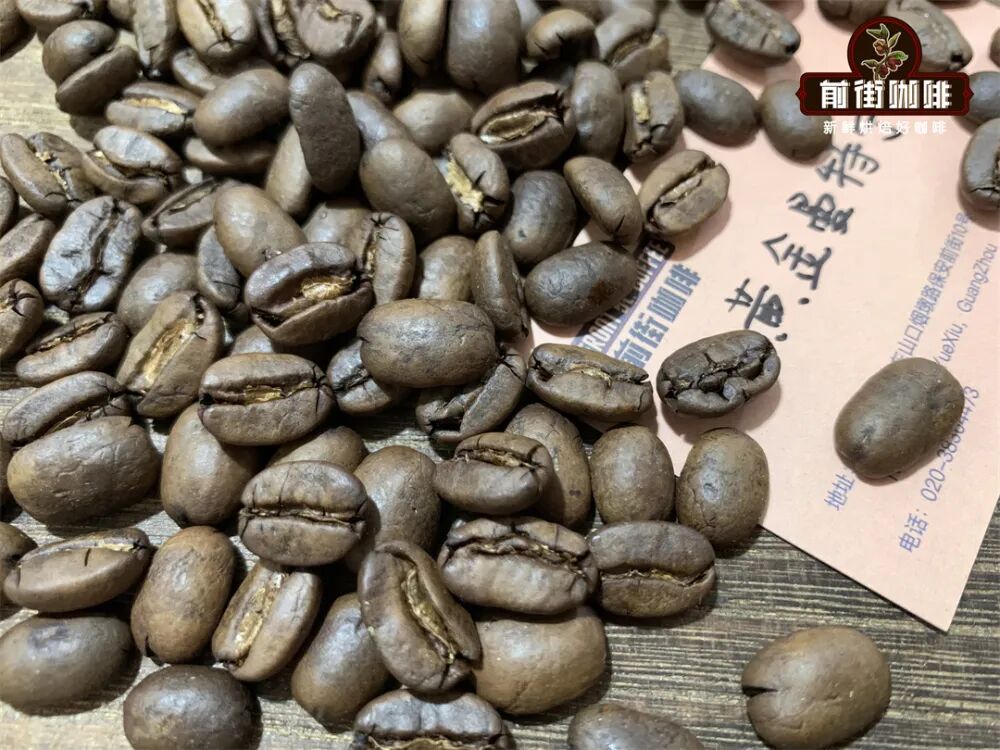
Generally, we can look at three types: one is washed light-roast beans represented by citrus and white floral flavors, like Qianjie Gutingding Cooperative and Qianjie Emerald Green Label Gesha; the second is the type with dark berries, prominent juiciness, and distinct acidity—Qianjie Little Tomato is recommended; the last is the more complex ripe tropical fruit aroma—first choice Qianjie Xizhua with passion fruit and grape notes, and Qianjie Big Belly with blackcurrant juice texture.
02 Ratio of Coffee, Water, and Ice
In iced pour-over, we usually reduce the hot water, adjust the ratio, extract a higher-concentration coffee liquid, and then let the ice make up the remaining water. The extra ice is responsible both for cooling the hot coffee thoroughly and locking in volatile aroma compounds, and for diluting the coffee liquid to a suitable concentration.

When actually brewing, Qianjie adjusts the parameters on the basis of hot pour-over. If you like iced coffee with concentrated flavor, it's suggested to use a basic formula: iced pour-over = coffee grounds + 10 times hot water + 5 times ice. For example, 15g of coffee grounds corresponds to 100g of hot water and 75g of ice. If you pursue a refreshing iced coffee mouthfeel, we can apply a 1:16 coffee-to-water ratio, splitting the water and ice into 7:3—that is, for 15g of coffee grounds the total water for hot brewing is 240g; changed to iced pour-over it becomes 168g hot water and 72g ice. This can raise the extraction yield while lowering the concentration and stretching out the flavors.
Parameter | Suggested for rich-bodied iced brew | Suggested for refreshing iced brew |
Coffee grounds | 15g | 15g |
Total water | 225g (1:15) | 240g (1:16) |
Hot water | 150g (dose x10) | 168g (total water x0.7) |
Ice | 75g (dose x5) | 72g (total water x0.3) |

03 Grind Size
Precisely because part of the hot water is replaced by ice to achieve the low temperature, the flavor compounds of the later stage have no chance to be released. To make up for the shortfall in extraction, we need a finer grind to prolong the brewing time and thus increase the acquisition of aroma components. To avoid too large a deviation causing over-extraction, the grind only needs to be slightly finer than the hot pour-over setting. For example, the grinder used in Qianjie's shop is the EK43s; if a coffee's hot-brew setting is 10, then for iced brew adjust the setting to 9 to 9.5. When using a C40 hand grinder, if a bean uses 26 clicks for hot brew, then adjust it finer to 24 clicks for iced brew.

04 Brewing Technique
For iced pour-over, the biggest pouring challenge is how to redistribute the smaller amount of water and then stretch it back to a 2-minute timeframe. Qianjie usually splits it into more hot-water stages or controls a small flow. Let's take the first brewing plan above as an example: before pouring, put 75g of ice into the server, place the dripper and filter paper, and add 15g of coffee grounds.

First stage: pour 30g of hot water in circles from the center outward, and bloom for 30 seconds, making sure all the coffee grounds are wet;

Second stage: pour 50g of hot water in circles along the "aroma" path, keeping the small stream as vertical and gentle as possible; you can slightly widen the circling amplitude to increase the water column's agitation of the coffee bed, then pause pouring after about 45 seconds;

Third stage: when the coffee liquid in the dripper drops to one-third, pour 40g of hot water in circles the same way, trying not to let the liquid level exceed the previously built coffee wall, to avoid hot water escaping from the dripper's edge; stop the flow at about 1 minute 10 seconds and wait for the coffee liquid to seep through;

Fourth stage: when the water in the dripper is about to run dry, pour all the remaining 30g of hot water in a small circle the size of a coin around the center; finish pouring at 1 minute 35 seconds, and finally the coffee liquid will all fall into the server between 1 minute 50 seconds and 2 minutes. Finally, shake the ice and coffee liquid thoroughly so it dilutes and cools properly, and it's ready to drink.

05 Troubleshooting
Although a detailed brewing plan can help reduce the probability of failure, sometimes there's always a gap between the café's equipment and ours at home, so the resulting taste inevitably varies. If you follow Qianjie's recipe throughout but the iced coffee still isn't ideal, we can use the process of elimination to find the answer.

If the coffee has aroma but tastes thin on the palate and lacks any sweet-tartness after drinking, it means the ice may have diluted it too much, watering down the overall concentration. Try reducing the ice, chill the cup in the fridge beforehand, and fish out the ice immediately after it cools down; (if conditions allow, we can also use the "cooling over ice" method—because it isn't affected by melting ice, the flavor is better preserved, though it's a bit of a luxury to use.)

Suppose the coffee's acidity is sharp and the aroma is flat—it's likely under-extracted during the hot-water stage. Qianjie suggests grinding slightly finer, or adding a stirring motion, to obtain more soluble flavor compounds from the later stage.

If you're clearly using a fruit-acid coffee bean but the coffee tastes mostly bitter and astringent with a dull entry, the grind is probably too fine (or the grinder itself produces a lot of fines). It's best to grind slightly coarser, then coordinate the overall flavor by increasing the number of stages.

Light Roast Pour-Over Floral Coffee Beans Recommendation: Qianjie Yirgacheffe Gedeo Dingding, Qianjie Panama Hacienda La Esmeralda Green Label Geisha Coffee Beans, QianjiePanama Butterfly Coffee Beans
Daily medium-light roast Yirgacheffe pour-over floral coffee bean recommendation, Qianjie Yirgacheffe Guddina, light roast brings the signature white floral notesAromatic, with lemon-citrus fruit notes and a refreshing floral tea note; bright and crisp on the palate. Great value and an ideal entry-level pour-over coffee with floral and fruity notesAn unrivalled choice.
Moka pot, home espresso, and espresso-based milk drinks like latte — recommended beans: Qianjie Classic Espresso Blend, using BrazilianWest, with Mandheling Arabica and a small amount of Vietnamese Robusta fully blended, delivering a rich and outstanding espressocrema; overall style is rich and memorable. Qianjie Brazil Queen's Estate coffee beans and Qianjie Classic Espresso Blend coffee beans are both mochaA highly recommended option for pot-style espresso machines.
Fruity-floral signature espresso latte bean recommendation: Qianjie Strawberry Candy espresso blend, featuring strawberry gummy and rose aromas,Full-bodied sweetness with a grape and almond finish; especially stunning as an iced latte. Made from Costa Rican honey-process beans, PanamaBlended from Panama Geisha coffee beans and select beans from Colombia's Huila region. Not only does it overturn traditional espresso flavor, the cremaalso performs well, with impressive showings in creative specialty drinks.
Now available on Taobao store「 Qianjie Coffee 」To purchase the above coffee beans, Qianjie Coffee offers dozens of selected single-origin pour-over and espresso coffee beans from around the world. Qianjie CoffeeQianjie Coffee is a veteran specialty coffee roaster; beans are freshly roasted within 5 days, with consistent quality and highly competitive pricesGreat value, ships within 24 hours. Qianjie Coffee is recommended by many coffee lovers and platforms.
Taobao Qianjie Coffee Link: https://qianjiecoffee.taobao.com
Or search our shop directly on Taobao 「Qianjie Coffee」
Qianjie Coffee Store Address: 315 Donghuadong Road, Yuexiu District, Guangzhou

Site Recommendations: 耶加雪菲 花魁咖啡 瑰夏咖啡 波旁咖啡 蓝山咖啡 天堂鸟咖啡豆 曼特宁咖啡豆 PWN黄金曼特宁 星巴克菜单 咖啡豆种类
Please indicate the source when reprinting.
2026-09-20 14:36:28
