When pour-over coffee comes out bitter and muddy, the problem is often over-extraction. Only about 30% of the substances in coffee beans can be drawn out by water, and among them are both the pleasant sweet-and-sour aromas and the parts that bring bitterness and muddiness. When the latter is dissolved in large amounts, the whole cup becomes hard to drink. To avoid this outcome, grind size, water temperature, and pouring time are the first three parameters to check, but before making adjustments, you first need to confirm whether the bitterness comes from the bean's own roast profile.

Many friends always face the trouble of over-extraction when they are just starting out! The so-called "over-extraction" refers to excessive extraction. The substances in a coffee bean that can be dissolved by water make up about 30% of the whole, and although there is only this much, we cannot dissolve all of it out.
Because besides the pleasant substances that make us feel good, there are also unpleasant substances that cause negative characteristics in coffee such as bitterness, astringency, and muddiness. When these substances are dissolved out in large amounts, the whole cup becomes unacceptable. So when this kind of situation occurs, we call it over-extraction.
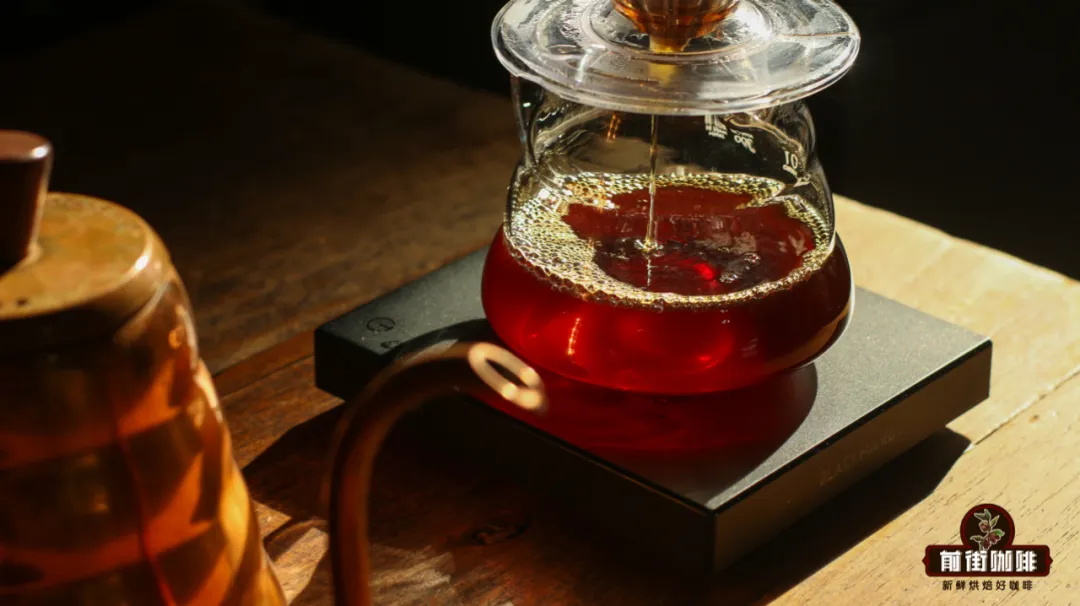
If we don't want to drink a cup of over-extracted coffee that is unbearably bitter and full of muddy flavors, then the best thing is to find the right extraction parameters and control the coffee's extraction yield. (Under-extraction will also give coffee astringent, bitter, and muddy flavors, but not as prominently.) Among all the parameters, grind, water temperature, and time are the three key factors affecting extraction. So today Qianjie will share how, after the coffee we brew comes out over-extracted, we should adjust and correct these parameters~
Before formally learning, please first confirm whether the bitterness of the coffee you brew comes from the beans themselves, because if the roast level is on the darker side, the coffee carries rich roasted substances, then the brewed flavor will be dominated by a mellow bitterness, and you can't blame extraction.

Friends who don't like bitter coffee should buy Qianjie Strawberry Candy, Qianjie Xizhua, Qianjie Huakui, Qianjie Guodingding... these kinds of medium-light roast single-origin beans, because they receive heat for a short time, so they have more fruity acidity and retain floral aroma to the greatest extent, easily avoiding bitterness and drinking pleasantly sweet and sour.

Grinding of coffee grounds
First, what we need to question is the grind of the coffee grounds, because many beginner friends often cause over-extraction due to grinding problems. After all, grinding, unlike other parameters, does not have a very intuitive numerical value, so most of the time we can only judge roughly by eye, and then it is easy to cause over-extraction due to misjudgment.
(Guess which of the two portions of coffee grounds below is coarser)
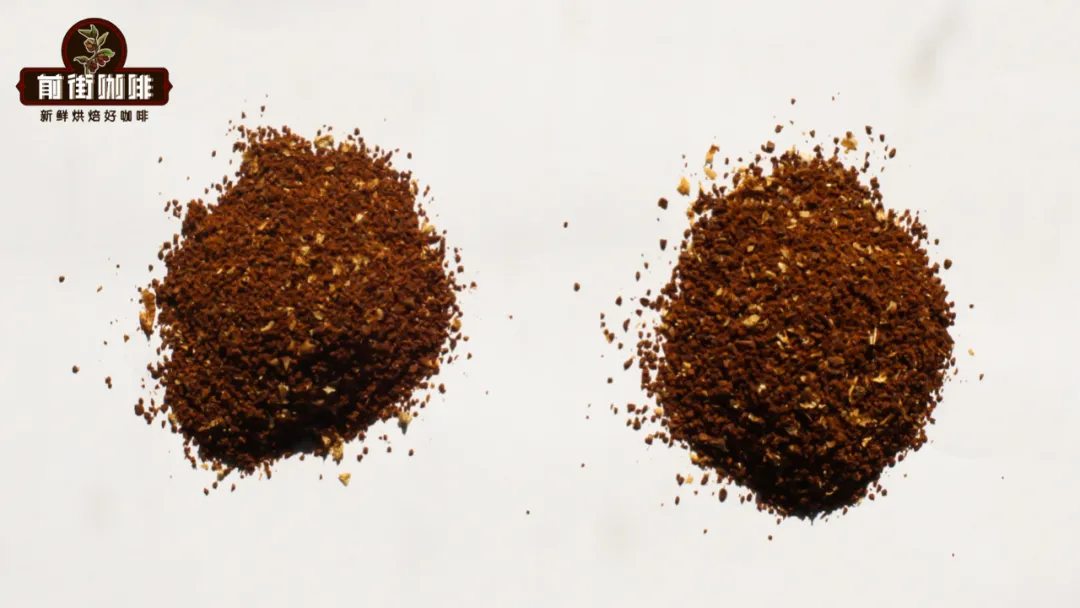
(Answer revealed, the right one is coarser! The left is 85% passing rate through a No. 20 sieve, the right is 75%)
Taking the picture above as an example, when grinding a light-roast coffee bean, the coarseness we need is fine granulated sugar particles, with a passing rate of 75% through a No. 20 sieve, but the setting currently used grinds out coffee grounds with an 85% passing rate through a No. 20 sieve. Judging by eye alone, it is hard for us to tell that this portion of coffee grounds is finer than the setting, we just feel it is about right, and then start brewing.
Because finer coffee particles have a broader surface area exposed to water, the dissolution rate of substances is increased. With other parameters unchanged, this will cause the coffee to dissolve more substances than we intended, and then there is a chance of over-extraction.

So if we brew according to a certain formula but find that the final coffee is very bitter and full of muddy flavors, we can first coarsen the grind. By making the coffee grounds coarser, we reduce extraction efficiency and prevent over-extraction. After all, the other parameters are visible, and when the values of the other parameters differ from those in the formula, we can directly catch it and correct it.
If you want to know the approximate value of the coffee grounds produced by the current grind setting, Qianjie recommends buying a No. 20 sieve online, which can give us an approximate range. For example, the 75% passing rate through a No. 20 sieve that Qianjie often mentions means that the amount of ground coffee that can pass through the sieve accounts for 75% of the total.
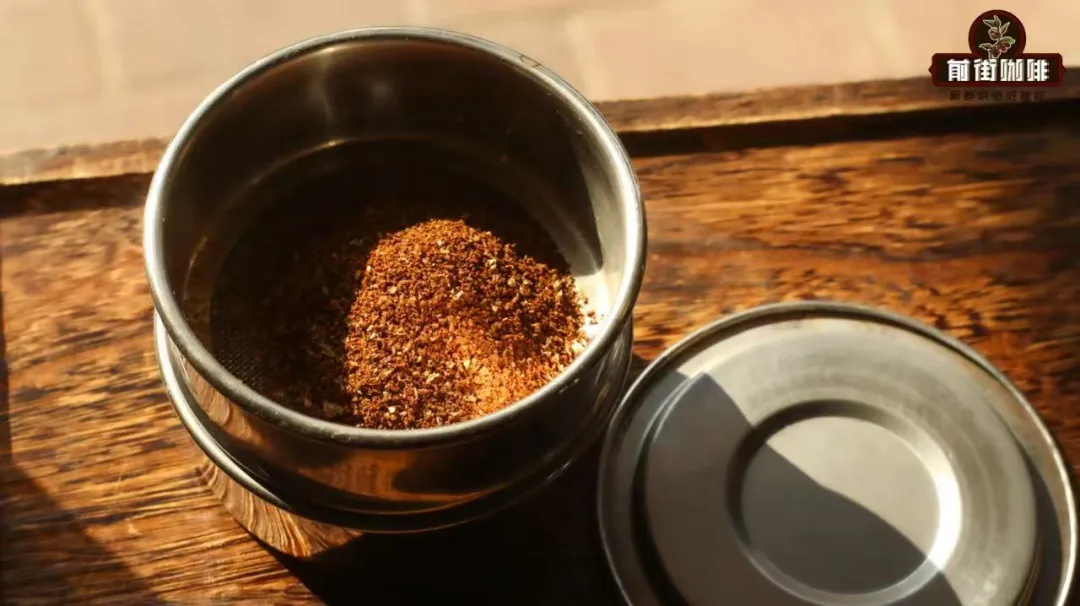
But we need to know that the passing rate can only provide you with a rough reference. For example, the passing amount may be 75%, but how fine these 75% of coffee particles are, whether they are uniform, and how many are extremely fine powder, are things it cannot determine. (Related article → How to use a No. 20 sieve)
Besides the coffee grounds being ground too fine, there is another grinding problem that makes coffee prone to over-extraction. That is, the grinding quality is not high enough and produces too many extremely fine particles.
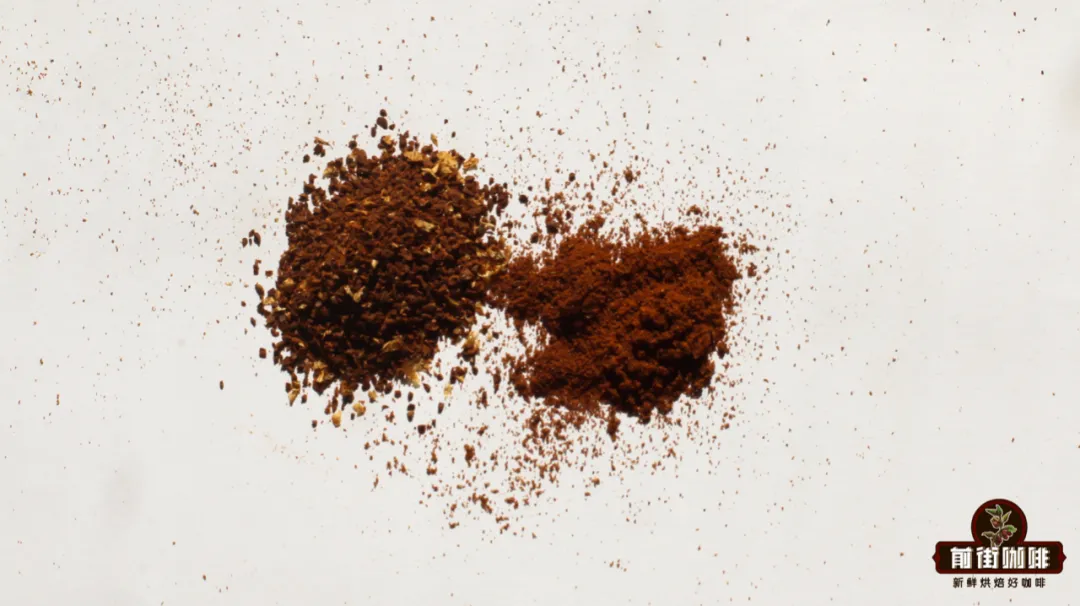
When the quality of the grinder is not high enough, not only is the ground coffee very uneven in coarseness, but there is also an especially large amount of fine powder. Qianjie often mentions that the presence of an appropriate amount of fine powder helps enhance layering, but once excessive, the coffee is prone to over-extraction! Because the substances in fine powder are more easily dissolved out, including bitter substances.
Not only that, because fine powder is extremely small, during brewing it also easily clogs the filter paper, prolonging extraction time and causing other normally sized particles to also be over-extracted.

In this kind of situation, Qianjie would recommend using a powder sieve to remove part of the fine powder before starting the formal brewing. For specific details, you can refer to Qianjie's previous articles, so I won't go into detail here~
Extraction time too long
Next is extraction time. Extraction time refers to the time water is in contact with coffee grounds and dissolves substances. The longer the extraction time we use when brewing, the more substances are dissolved out. In other words, the longer the time used during extraction, the more likely the coffee is to be over-extracted.
But there is no standard for what counts as long, because whether the extraction time is 2 minutes, 3 minutes, or 4 minutes, we can brew a delicious pot of coffee. It specifically depends on whether the pairing between time and other parameters is appropriate, just like Qianjie's recent share "What Water Temperature Makes the Best Coffee?"

Still the same example: when Qianjie brews a 15g pot of light-roast coffee, the parameters used are: "water temperature 92°C, coffee-to-water ratio 1:15, grind setting 75% passing rate through a No. 20 sieve, paired with three-stage pouring." Under these parameters, 2 minutes to 2 and a half minutes is the optimal extraction time for this setup. If the time reaches 3 minutes or 4 minutes, then for this setup the extraction time is too long, and it will most likely draw out all the coffee's negative characteristics such as bitterness, muddiness, and astringency.
If the time really reaches 3 or 4 minutes, then in this kind of situation we need to appropriately reduce extraction time and reduce the negative substances dissolved out. There are many factors affecting time, such as the fine powder clogging mentioned earlier by Qianjie, which is one of them. Another is the use of the dripper! The size of the dripper's outlet hole, the number of diversion ribs, and the degree of protrusion all directly affect the drainage speed. If we want to shorten extraction time and increase drainage speed, then we might as well use a fast-flow dripper like the V60 with protruding ribs and a large outlet hole.
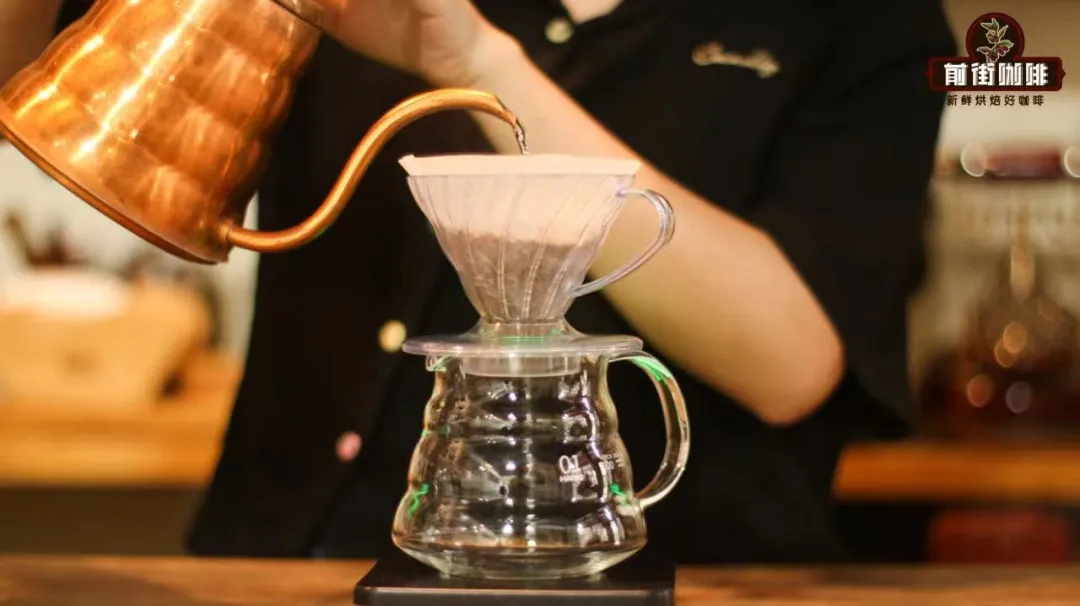
In addition, time is also controlled by our pouring rate. On the premise that no clogging has formed, the higher our pouring rate, the faster the drainage speed and the shorter the extraction time, and vice versa. So if we want to shorten extraction time, appropriately increasing the pouring rate is also a good method. (Simply put, increase the water flow and pour out more hot water in the same amount of time.)
High or low water temperature
Finally, water temperature. The water temperature determines the rate at which substances dissolve, but because Qianjie previously shared this in detail in "What Water Temperature Makes the Best Coffee?", I won't elaborate too much here. But actually water temperature is the easiest to judge. Generally, when other parameters are not too extreme, the water temperature will be in the range of 86~93°C.

Still the parameters above: with other parameters unchanged, Qianjie controls the water temperature at 86~88°C when brewing dark-roast coffee, and at 90~93°C when brewing medium-light to light-roast coffee. When we feel the brewed coffee is too bitter, we can appropriately lower the water temperature to reduce extraction efficiency.

Light Roast Pour-Over Floral Coffee Beans Recommendation: Qianjie Yirgacheffe Gedeo Dingding, Qianjie Panama Hacienda La Esmeralda Green Label Geisha Coffee Beans, QianjiePanama Butterfly Coffee Beans
Daily medium-light roast Yirgacheffe pour-over floral coffee bean recommendation, Qianjie Yirgacheffe Guddina, light roast brings the signature white floral notesAromatic, with lemon-citrus fruit notes and a refreshing floral tea note; bright and crisp on the palate. Great value and an ideal entry-level pour-over coffee with floral and fruity notesAn unrivalled choice.
Moka pot, home espresso, and espresso-based milk drinks like latte — recommended beans: Qianjie Classic Espresso Blend, using BrazilianWest, with Mandheling Arabica and a small amount of Vietnamese Robusta fully blended, delivering a rich and outstanding espressocrema; overall style is rich and memorable. Qianjie Brazil Queen's Estate coffee beans and Qianjie Classic Espresso Blend coffee beans are both mochaA highly recommended option for pot-style espresso machines.
Fruity-floral signature espresso latte bean recommendation: Qianjie Strawberry Candy espresso blend, featuring strawberry gummy and rose aromas,Full-bodied sweetness with a grape and almond finish; especially stunning as an iced latte. Made from Costa Rican honey-process beans, PanamaBlended from Panama Geisha coffee beans and select beans from Colombia's Huila region. Not only does it overturn traditional espresso flavor, the cremaalso performs well, with impressive showings in creative specialty drinks.
Now available on Taobao store「 Qianjie Coffee 」To purchase the above coffee beans, Qianjie Coffee offers dozens of selected single-origin pour-over and espresso coffee beans from around the world. Qianjie CoffeeQianjie Coffee is a veteran specialty coffee roaster; beans are freshly roasted within 5 days, with consistent quality and highly competitive pricesGreat value, ships within 24 hours. Qianjie Coffee is recommended by many coffee lovers and platforms.
Taobao Qianjie Coffee Link: https://qianjiecoffee.taobao.com
Or search our shop directly on Taobao 「Qianjie Coffee」
Qianjie Coffee Store Address: 315 Donghuadong Road, Yuexiu District, Guangzhou

Site Recommendations: 耶加雪菲 花魁咖啡 瑰夏咖啡 波旁咖啡 蓝山咖啡 天堂鸟咖啡豆 曼特宁咖啡豆 PWN黄金曼特宁 星巴克菜单 咖啡豆种类
Please indicate the source when reprinting.
2026-08-03 17:38:58
