In the coffee world, products named after "Mocha" are commonplace: Mocha coffee beans, Mocha coffee, and the Moka pot. By literal reasoning, it is easy to assume they are all related to the place called Mocha, just as Blue Mountain coffee comes from the Blue Mountains of Jamaica. But Mocha neither produces coffee beans nor is it the birthplace of the Moka pot. The origin of this name must be traced back to the port of Mocha on the Red Sea coast of southern Yemen, and the trading role it once played.
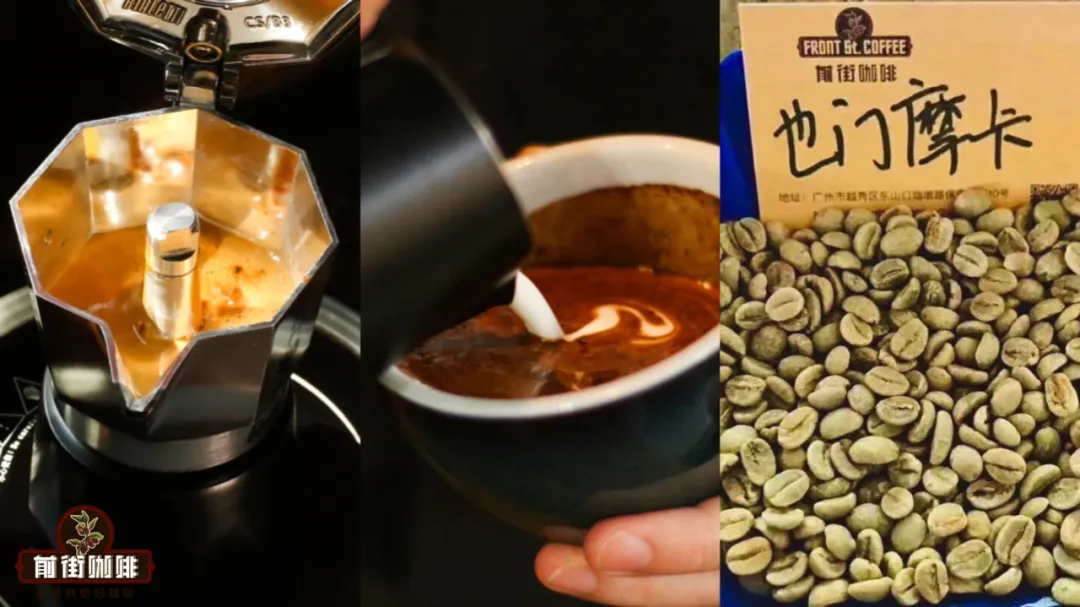
I believe friends are no longer unfamiliar with the name "Mocha," because in the coffee world, products named after it are commonplace. For example, "Mocha coffee beans," "Mocha coffee," or the "Moka pot."This inevitably invites speculation: they are all called "Mocha," so what kind of connection is there among the three? If understood purely from the literal meaning, everyone would inevitably assume they are all related to the place called "Mocha."
For example, the reason Qianjie Blue Mountain coffee is called Blue Mountain coffee is that these coffee beans are produced in the Blue Mountains of Jamaica. If we apply this logic to Mocha-related products, we would understand it as: Mocha coffee beans are coffee beans produced in Mocha, and the Moka pot is a coffee device invented in Mocha......

Obviously, this is not the correct answer. Because Mocha neither produces coffee beans nor is the birthplace of the Moka pot. But this does not mean the above-mentioned items have nothing to do with the place called Mocha. Today Qianjie will share with everyone why Mocha coffee beans, Mocha coffee, and the Moka pot are all called Mocha!
Mocha
First, we need to briefly understand the place called Mocha. Mocha is a port city located on the Red Sea coast of southern Yemen. In the past, it was a very important transportation hub, with a status no less than that of today's Port of Shanghai. Because it was the only waterway connecting the Red Sea and the Indian Ocean, all merchant ships needing to travel from the Indian Ocean to the Mediterranean, Europe, and other places for trade had to pass through this checkpoint.

In addition, the port of Mocha was also the earliest coffee trading distribution center and the world's largest international coffee trading center. During the more than three hundred years from the 15th century to the early 18th century, the vast majority of the world's coffee was exported from the port of Mocha. We can see the importance of coffee to Yemen from its national emblem. And the famous Mocha coffee beans got their name precisely because of the port of Mocha.
Mocha Coffee Beans
Although Mocha does not produce coffee beans, the coffee it exported mainly came from the central region of its home country, Yemen (though not entirely). It is worth mentioning that Yemen was the first country to cultivate coffee on a large scale as an agricultural product.
After the coffee was exported through the port of Mocha to the rest of the world, it received unanimous praise for its unique chocolate notes. But at that time, the only traceable information about the coffee was that it came from the port of Mocha, so people at the time simply called the coffee (beans) exported from the port of Mocha: "Mocha coffee (beans)."
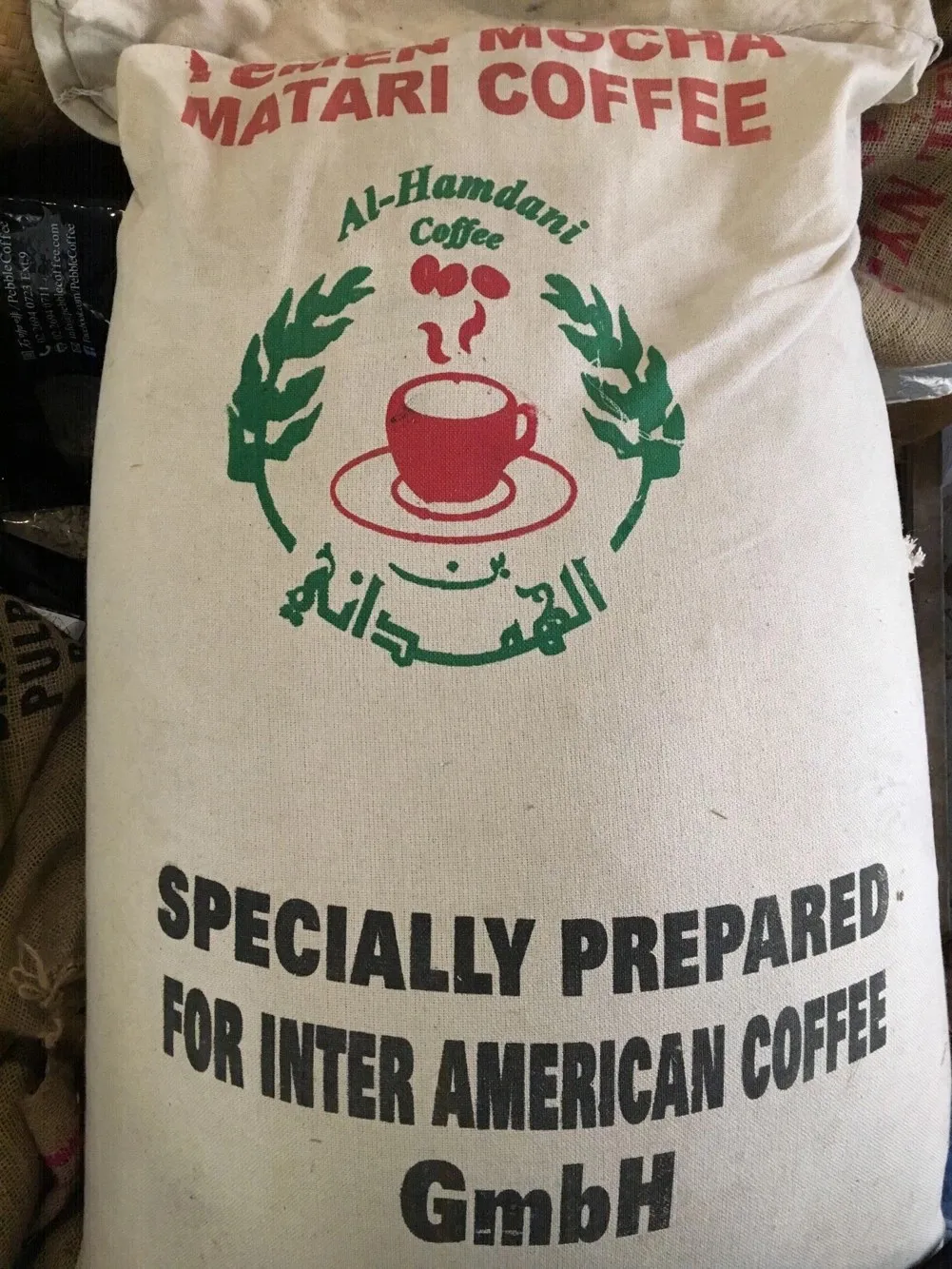
As coffee exploded in popularity in Europe, coffee subsequently exported through the port of Mocha was sold under the name "Mocha coffee." This was also related to the policies of the time: all coffee sacks exported through the port of Mocha were printed with the word "Mocha," which further deepened people's impression of Mocha coffee. So we can know that the original "Mocha coffee" referred to coffee beans exported from Mocha (more specifically, Mocha coffee beans grown in Yemen with chocolate notes).
But because global demand for coffee surged, colonial trading companies such as the Dutch, the French, and the British East India Company smuggled coffee seeds out of Yemen through various channels and cultivated them on a large scale. As the smuggled coffee seeds bloomed and bore fruit in other countries, Yemen gradually lost its monopoly on coffee.
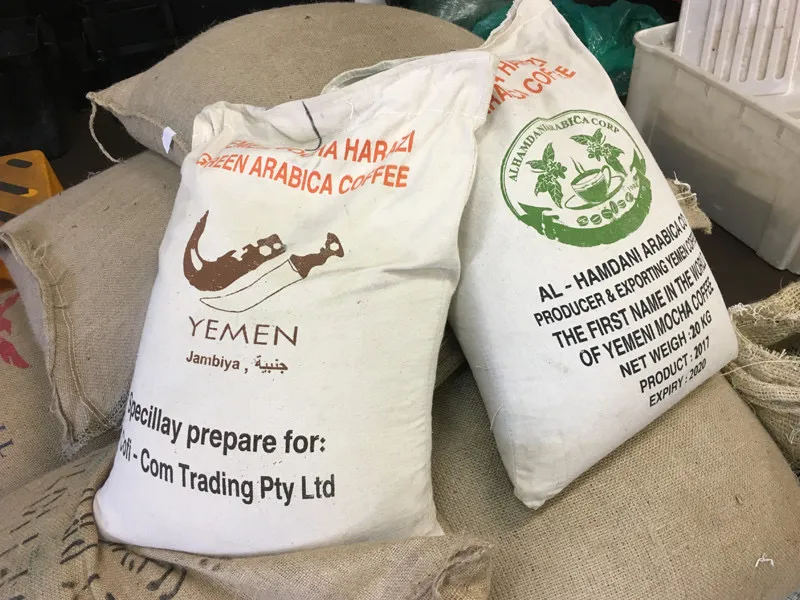
Both because of the low prices of coffee from other countries and because of other reasons such as the rule of the Ottoman Empire in the middle and late periods, Mocha coffee's market share gradually shrank, causing both its production and export volume to gradually decline. In just a few centuries, Yemen fell from being the world's only coffee overlord to holding an insignificant market share. By the early 19th century, Yemen's coffee production had shrunk to less than 6% of world output; today, it is not even 0.1%, and Mocha coffee beans have officially become a rare and precious coffee bean.
Mocha Coffee
And the "Mocha coffee" we mention now refers more to an espresso-based milk coffee made by adding chocolate products to a base of espresso and milk (it can simply be understood as a latte with chocolate added).
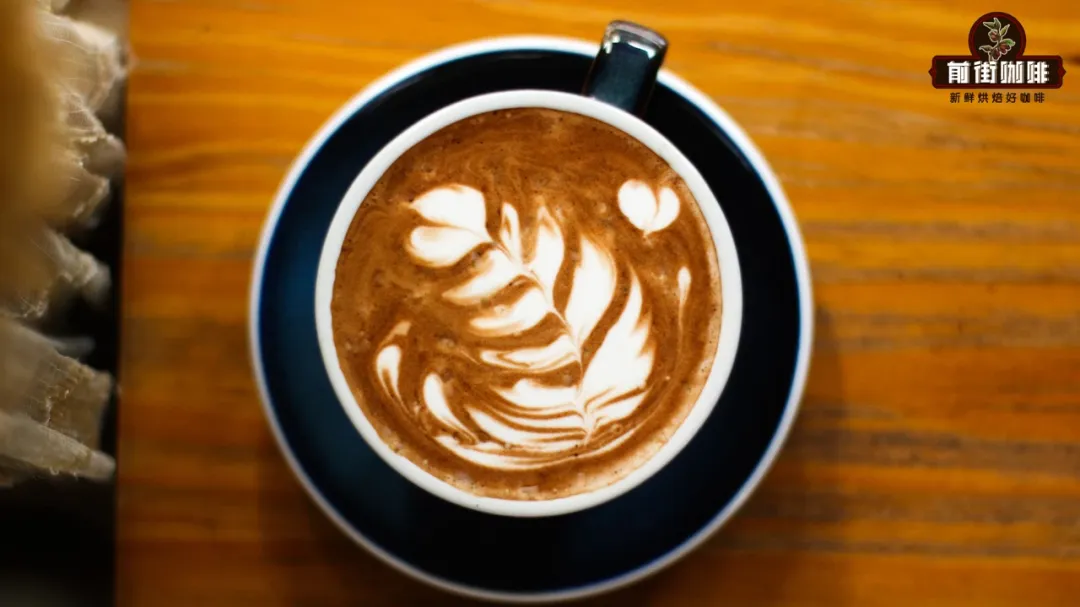
Some say this was specially concocted to replicate the chocolate notes in Mocha coffee beans, and this is not an entirely unbelievable explanation. After all, it is not hard to imagine that as Yemen lost its monopoly on coffee, fewer and fewer Mocha coffee beans flowed into European countries. Those who had always deeply loved Mocha coffee (beans), when they could no longer drink Mocha coffee with its rich chocolate flavor, might well have come up with such an idea and put it into practice in order to recreate the delicious taste of the past.
Moreover, at that time Mocha coffee (beans) held a status in people's hearts similar to Blue Mountain in the last century and Geisha in this century. So it cannot be ruled out that, in order to show refinement, a beverage resembling the flavor of Mocha coffee beans was specially concocted and given the title "Mocha coffee."

So we can know that the "Mocha coffee" mentioned nowadays refers more to a coffee beverage in the espresso system that has been specially blended with milk and chocolate products. Because Mocha coffee naturally has a chocolate flavor, it is very suitable when making it to pair with medium-dark roasted espresso beans—Qianjie Classic Blend. It combines the caramelized aroma of Brazilian Red Bourbon and Indonesian Mandheling, and to increase the richness of crema, Qianjie Classic Blend adds a small amount of Robusta, producing coffee with the rich flavors of butter, dark chocolate, and roasted chestnuts.

Moka Pot
Finally, the Moka pot! I believe the Moka pot is the member among these three "Mochas" that everyone is most familiar with—after all, Qianjie shares it fairly often—and it is also the latest-born of the three "Mochas."
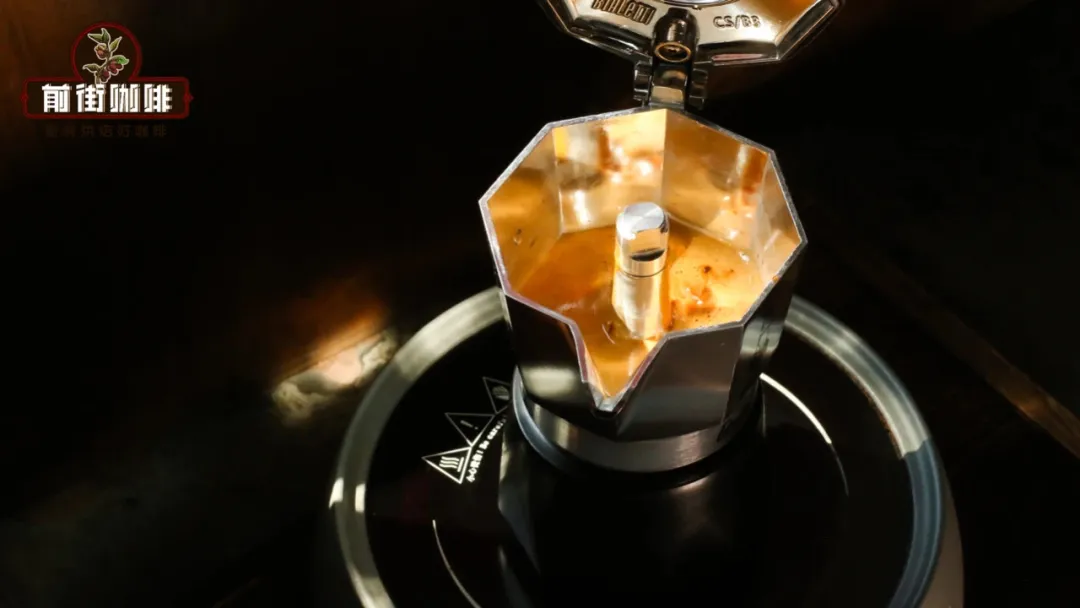
The Moka pot was a coffee extraction tool invented by Alfonso Bialetti in Italy in the early 20th century (1933). Because it uses pressure extraction like espresso machines, it can also make black coffee with a relatively higher concentration.
Thanks to its innovative design, affordable price, and high compatibility with local culture, the Moka pot was widely welcomed as soon as it was launched and quickly swept across Italy. But if you ask what relationship it has with Mocha... it seems it really does not have much of one.
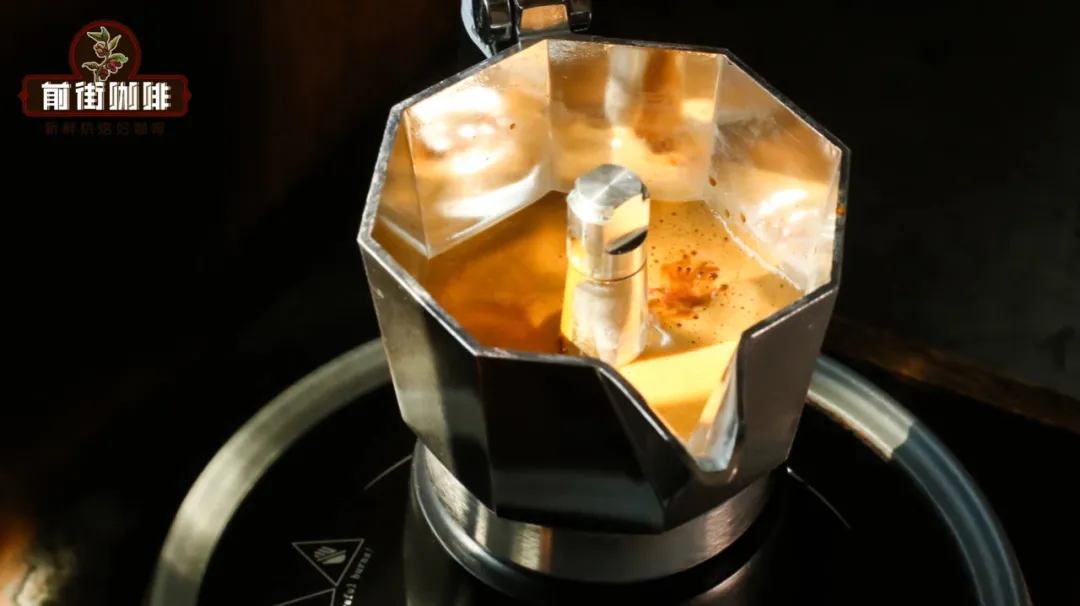
The most common explanation for why the Moka pot was named the Moka pot is that at the time the name "Mocha" was bound together with coffee. Earlier, Qianjie mentioned that when coffee first entered Europe it was widely welcomed, but because Europeans only knew that coffee was imported from the port of Mocha, they called it "Mocha coffee." At that time, the words Mocha and coffee were already linked; when people mentioned Mocha, they would immediately think of coffee. So naming it Mocha can be translated as "coffee pot."
Another explanation is that because Mocha coffee was famous for its rich taste, old Mr. Bialetti, in order to let everyone immediately associate it with a coffee device capable of extracting rich coffee, used Mocha to name the coffee pot.

Moka pot coffee has a rich mouthfeel and is very suitable for medium-dark roasted specialty coffee beans. For beginners, Qianjie Black Cocoa Basic Blend is the first choice, able to produce a balanced result without failure; advanced players who like floral and fruity flavors can buy Qianjie Strawberry Candy espresso blend, whose unique flavors of rose, grape, and dried blueberry leave a deep impression after drinking.
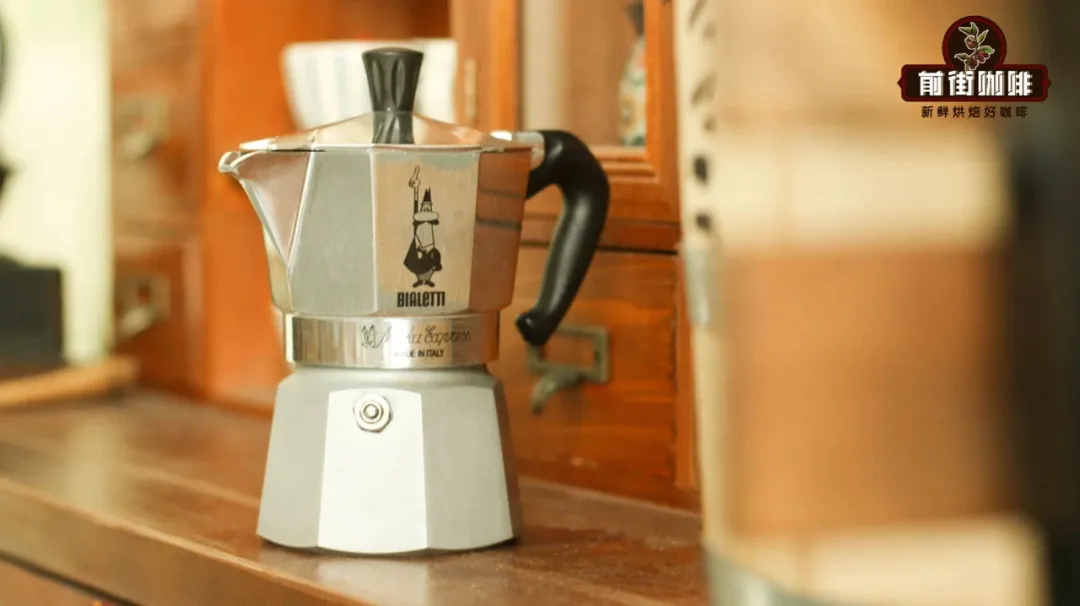
So the above are the reasons why three different products are named "Mocha." I wonder whether this matches everyone's guesses~

Light Roast Pour-Over Floral Coffee Beans Recommendation: Qianjie Yirgacheffe Gedeo Dingding, Qianjie Panama Hacienda La Esmeralda Green Label Geisha Coffee Beans, QianjiePanama Butterfly Coffee Beans
Daily medium-light roast Yirgacheffe pour-over floral coffee bean recommendation, Qianjie Yirgacheffe Guddina, light roast brings the signature white floral notesAromatic, with lemon-citrus fruit notes and a refreshing floral tea note; bright and crisp on the palate. Great value and an ideal entry-level pour-over coffee with floral and fruity notesAn unrivalled choice.
Moka pot, home espresso, and espresso-based milk drinks like latte — recommended beans: Qianjie Classic Espresso Blend, using BrazilianWest, with Mandheling Arabica and a small amount of Vietnamese Robusta fully blended, delivering a rich and outstanding espressocrema; overall style is rich and memorable. Qianjie Brazil Queen's Estate coffee beans and Qianjie Classic Espresso Blend coffee beans are both mochaA highly recommended option for pot-style espresso machines.
Fruity-floral signature espresso latte bean recommendation: Qianjie Strawberry Candy espresso blend, featuring strawberry gummy and rose aromas,Full-bodied sweetness with a grape and almond finish; especially stunning as an iced latte. Made from Costa Rican honey-process beans, PanamaBlended from Panama Geisha coffee beans and select beans from Colombia's Huila region. Not only does it overturn traditional espresso flavor, the cremaalso performs well, with impressive showings in creative specialty drinks.
Now available on Taobao store「 Qianjie Coffee 」To purchase the above coffee beans, Qianjie Coffee offers dozens of selected single-origin pour-over and espresso coffee beans from around the world. Qianjie CoffeeQianjie Coffee is a veteran specialty coffee roaster; beans are freshly roasted within 5 days, with consistent quality and highly competitive pricesGreat value, ships within 24 hours. Qianjie Coffee is recommended by many coffee lovers and platforms.
Taobao Qianjie Coffee Link: https://qianjiecoffee.taobao.com
Or search our shop directly on Taobao 「Qianjie Coffee」
Qianjie Coffee Store Address: 315 Donghuadong Road, Yuexiu District, Guangzhou

Site Recommendations: 耶加雪菲 花魁咖啡 瑰夏咖啡 波旁咖啡 蓝山咖啡 天堂鸟咖啡豆 曼特宁咖啡豆 PWN黄金曼特宁 星巴克菜单 咖啡豆种类
Please indicate the source when reprinting.
2026-08-09 10:10:36
