Localized blackening and spots on a moka pot are usually oxidation caused by improper cleaning after use, and do not mean the pot is ruined. During daily washing, casually rinsing it with dish soap or leaving residual moisture can actually accelerate this process. Correct cleaning and drying habits can both preserve the condition of the pot and prevent off-flavors from seeping into the next cup of coffee.

I suddenly realized that although Qianjie has shared many articles about how to use a moka pot and how to make moka pot coffee, it seems we have never mentioned how to clean and maintain a moka pot after use. As a result, friends from all sides often ask the same question in the backend: What should I do if my moka pot has "turned black"?
The so-called "turning black" refers to local blackening and spots on the moka pot caused by oxidation. This situation is usually the result of improper cleaning after the moka pot has been used. This suddenly enlightened Qianjie: the use of the moka pot and the making of coffee are certainly important, but cleaning and maintenance are equally important. If maintained well, one pot can be passed down for three generations, and when the person is gone, the pot is still there (exaggeration) ; if not maintained well, not only will the service life of the moka pot be shortened, but the moka pot will also pick up off-flavors, which will in turn affect the taste of the coffee to some extent.

So today Qianjie will share the correct cleaning and maintenance methods for the moka pot, as well as how to improve a moka pot after it has "turned black" (oxidized)~ Then the first thing to share is the cleaning method after the moka pot has been used!
Daily cleaning of the moka pot
Many friends may think that after using a moka pot, isn't it enough to just rinse it with dish soap? There is nothing to pay attention to at all. But in fact, these two aspects are exactly what need the most attention, because a careless move can make the moka pot prone to oxidation.
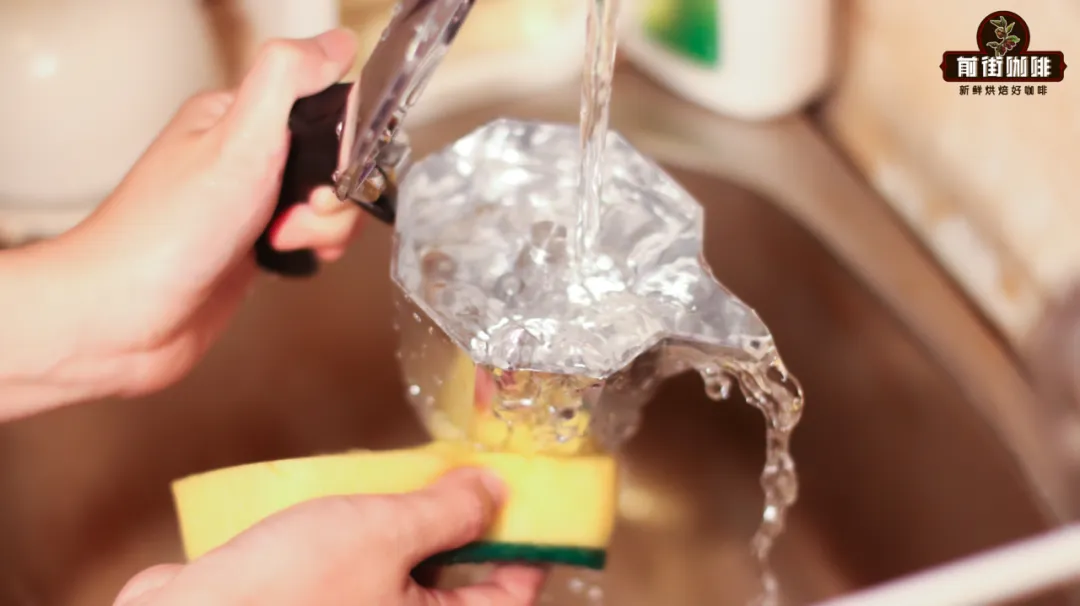
Moka pots currently on the market can be divided into two types: aluminum moka pots and stainless steel moka pots. As the names suggest, the difference lies in the material. Depending on the material, our cleaning methods also need to differ. Among them, what needs the most attention is the cleaning method for aluminum moka pots.
This is because aluminum material readily reacts with alkaline components or chlorine in various cleaning agents, leading to "blackening" reactions such as corrosion and oxidation. Not only that, because aluminum moka pots are highly adsorbent, they also easily retain the smell of cleaning agents, which then affects the flavor of subsequently brewed coffee.
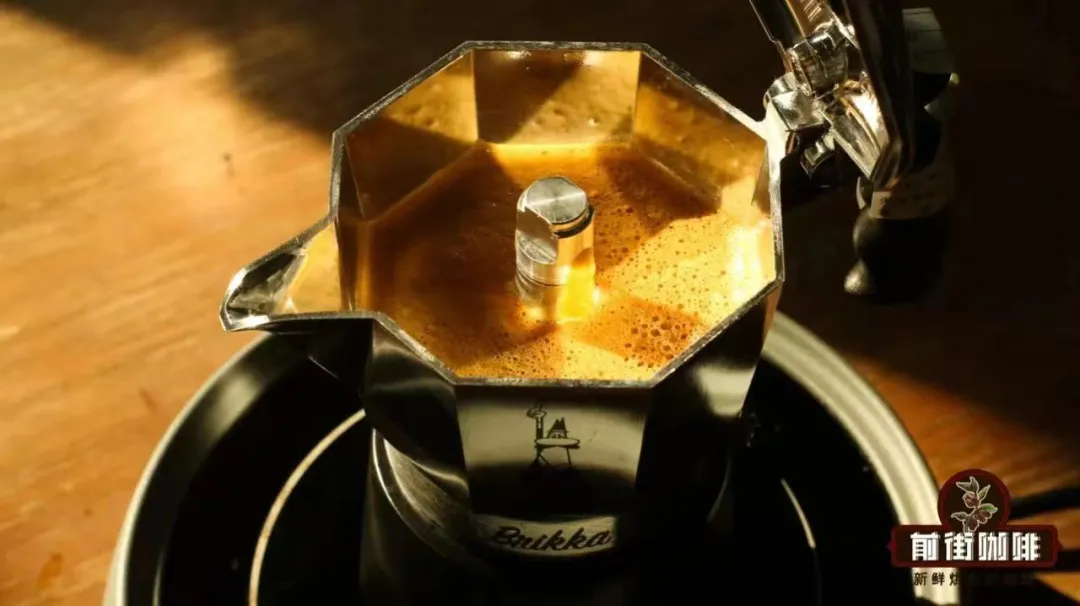
So when cleaning an aluminum moka pot, it is best to avoid using various detergents and simply rinse it with clean water. Stainless steel moka pots are relatively better because they have stronger corrosion resistance and can use auxiliary items such as dish soap, but when using cleaning agents, it is best to avoid the gasket, because dish soap will accelerate the aging of the gasket and thereby reduce sealing performance.
Whether stainless steel or aluminum moka pots, it is necessary to avoid abrasive cleaning tools such as steel wool. Otherwise, the surface and coating of the moka pot will be scratched, which will not only make the appearance less attractive, but also accelerate oxidation.
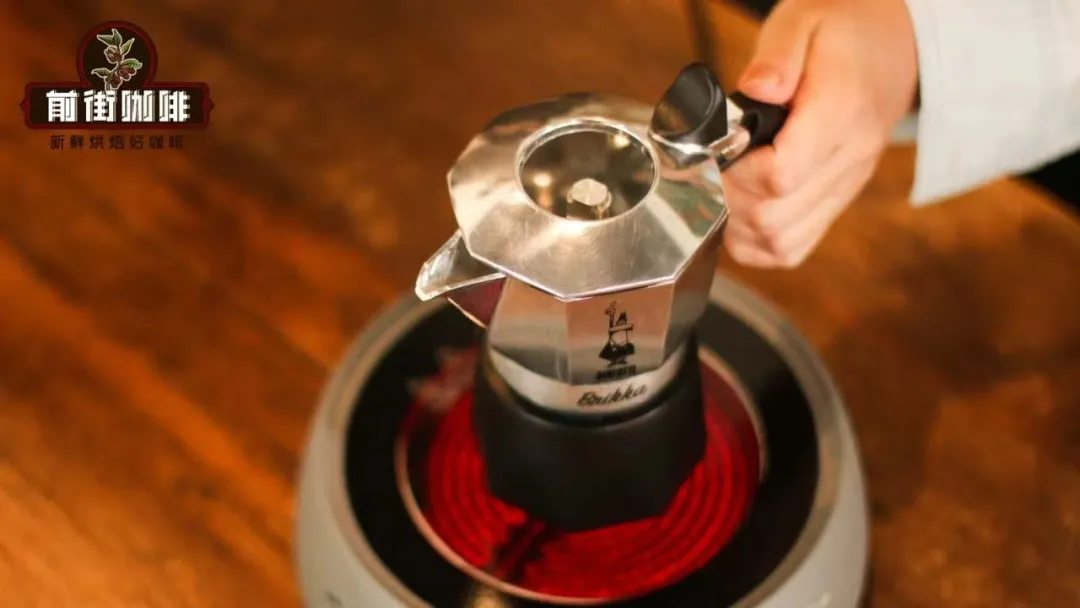
After we finish cleaning, we must, must, must not rush to assemble the moka pot. Instead, first let the water inside the pot dry, and only then can it be assembled. Otherwise, this will also cause the moka pot to oxidize and turn black. (It is best to dry it upside down.)

Removing the moka pot gasket
Earlier I mentioned that the gasket should be avoided when using dish soap. Here Qianjie will emphasize this point again, because many friends think that the moka pot consists of only three parts: the upper pot, the filter basket, and the water chamber, so when cleaning they only rinse these three parts and ignore the gasket and filter screen.
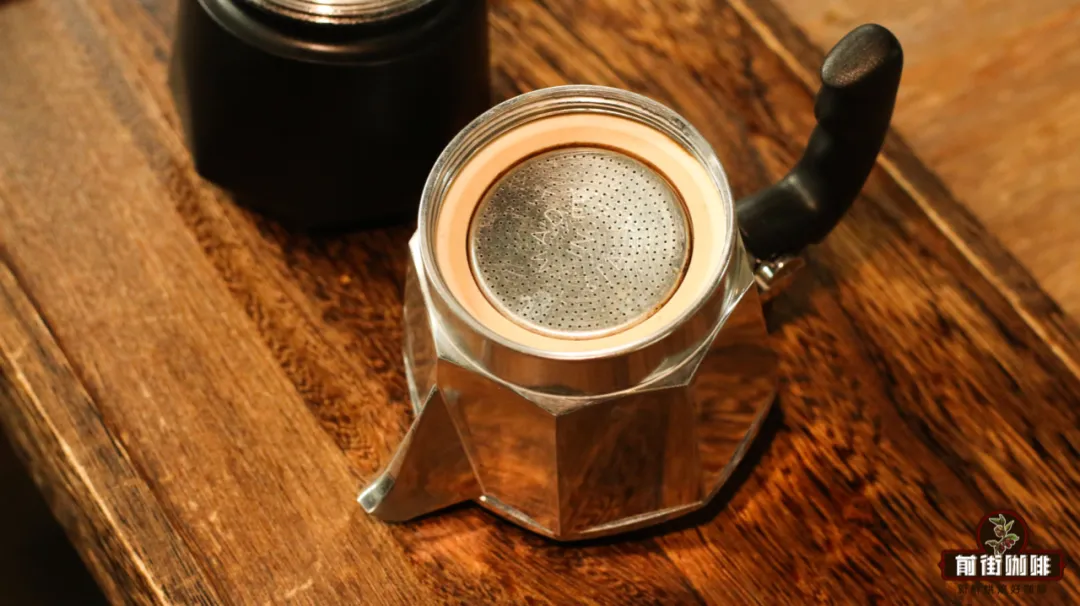
But in fact, the filter screen and gasket of the moka pot are both objects that need special attention! Because a large amount of coffee liquid and coffee grounds will hide in the gasket and filter screen, and it is difficult to remove all the dirt just by rinsing with water. For this reason, we need to remove them and then clean the inside.
Yes! They can be removed, and it is very simple! We only need to prepare any tool (definitely not a sharp object), press it against the inner ring of the gasket, then pry up one corner, and finally take it out by hand!
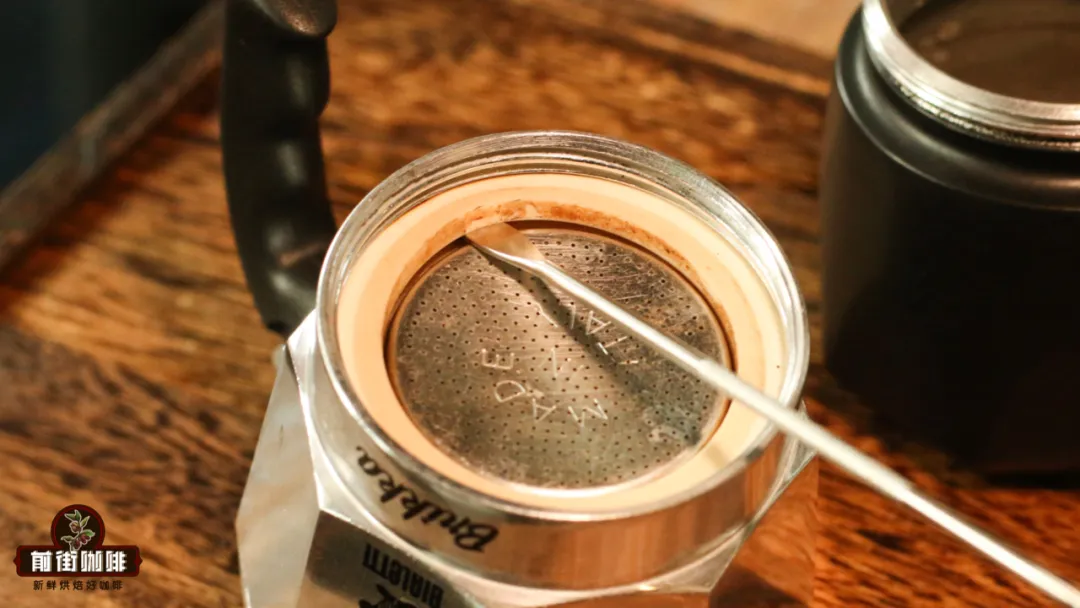
And because the gasket is the key tool that secures the filter screen, once the gasket is removed, the filter screen will fall out as well. At this point we can rinse and clean them, as well as the inside of the moka pot.
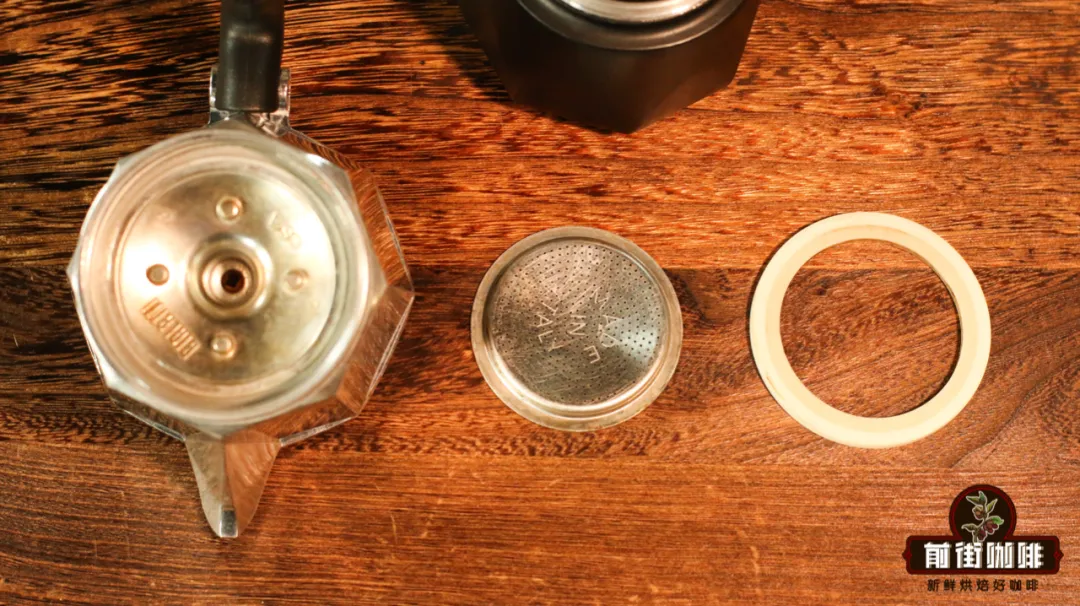
When we have finished cleaning and are ready to reinstall, we must make sure that the concave side of the filter screen faces inward and the convex side faces outward; otherwise, after assembly, the moka pot will leak.
Then, as with coffee machines, the gasket will continuously wear out. With increasing use, it will keep wearing down until it can no longer seal effectively. At that point, we need to buy a brand-new gasket online or offline to replace it. Generally, a gasket lasts about one year, depending on frequency of use. When using it, everyone can pay attention to the sealing performance; if leakage occurs, the gasket needs to be replaced in time.
How to repair a moka pot after it has "turned black"
If your moka pot has already oxidized under improper cleaning (such as spots or streaks from oxidation), then it actually does not matter. Because, as mentioned in the moka pot instructions, since the moka pot is made of food-grade aluminum alloy, normal oxidation will not harm the human body.
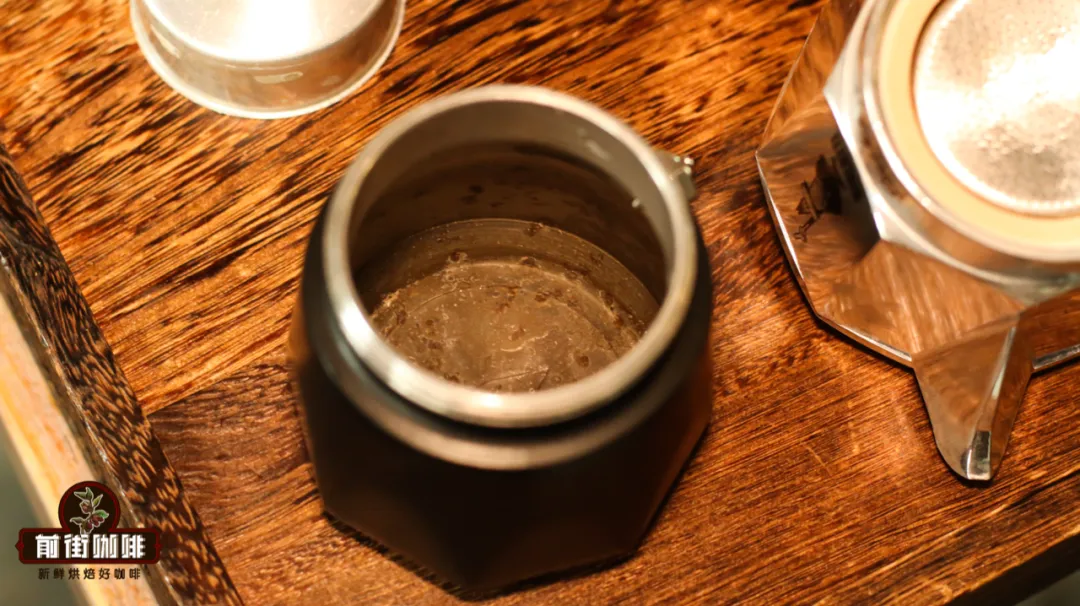
But if everyone feels that the presence of these spots is rather unpleasant, then you might as well try mixing white vinegar/lemon juice with water, then soaking the oxidized areas of the moka pot for about one hour.
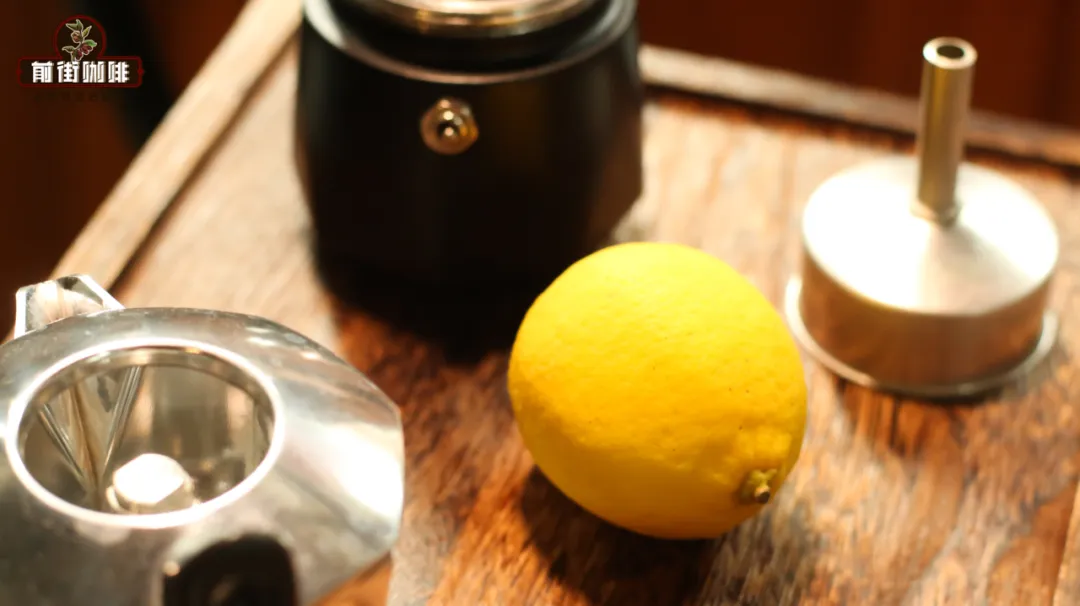
After soaking, clean it again and then let it dry, and the oxidation can be reduced (specifically, it still depends on the degree of oxidation).
So the above is the cleaning guide for the moka pot. At the end, Qianjie would like to remind everyone once more that after using the moka pot, you must not forget to clean it, and at the same time, be sure to dry it, dry it, dry it, to avoid shortening the service life of the moka pot~

Light Roast Pour-Over Floral Coffee Beans Recommendation: Qianjie Yirgacheffe Gedeo Dingding, Qianjie Panama Hacienda La Esmeralda Green Label Geisha Coffee Beans, QianjiePanama Butterfly Coffee Beans
Daily medium-light roast Yirgacheffe pour-over floral coffee bean recommendation, Qianjie Yirgacheffe Guddina, light roast brings the signature white floral notesAromatic, with lemon-citrus fruit notes and a refreshing floral tea note; bright and crisp on the palate. Great value and an ideal entry-level pour-over coffee with floral and fruity notesAn unrivalled choice.
Moka pot, home espresso, and espresso-based milk drinks like latte — recommended beans: Qianjie Classic Espresso Blend, using BrazilianWest, with Mandheling Arabica and a small amount of Vietnamese Robusta fully blended, delivering a rich and outstanding espressocrema; overall style is rich and memorable. Qianjie Brazil Queen's Estate coffee beans and Qianjie Classic Espresso Blend coffee beans are both mochaA highly recommended option for pot-style espresso machines.
Fruity-floral signature espresso latte bean recommendation: Qianjie Strawberry Candy espresso blend, featuring strawberry gummy and rose aromas,Full-bodied sweetness with a grape and almond finish; especially stunning as an iced latte. Made from Costa Rican honey-process beans, PanamaBlended from Panama Geisha coffee beans and select beans from Colombia's Huila region. Not only does it overturn traditional espresso flavor, the cremaalso performs well, with impressive showings in creative specialty drinks.
Now available on Taobao store「 Qianjie Coffee 」To purchase the above coffee beans, Qianjie Coffee offers dozens of selected single-origin pour-over and espresso coffee beans from around the world. Qianjie CoffeeQianjie Coffee is a veteran specialty coffee roaster; beans are freshly roasted within 5 days, with consistent quality and highly competitive pricesGreat value, ships within 24 hours. Qianjie Coffee is recommended by many coffee lovers and platforms.
Taobao Qianjie Coffee Link: https://qianjiecoffee.taobao.com
Or search our shop directly on Taobao 「Qianjie Coffee」
Qianjie Coffee Store Address: 315 Donghuadong Road, Yuexiu District, Guangzhou

Site Recommendations: 耶加雪菲 花魁咖啡 瑰夏咖啡 波旁咖啡 蓝山咖啡 天堂鸟咖啡豆 曼特宁咖啡豆 PWN黄金曼特宁 星巴克菜单 咖啡豆种类
Please indicate the source when reprinting.
2026-08-09 10:43:05
