Why can you taste red wine, champagne, or even whisky in coffee? This wine-like aroma does not come from added alcohol; rather, it is formed by esters and aromatic substances produced during the fermentation, roasting, and extraction of coffee beans, which smell perception associates with alcohol. For this reason, drinking a cup of coffee with a rich wine-like aroma does not mean you have ingested alcohol, and there is no need to worry about driving. The article also sorts out the common sources of this type of flavor in bean varieties and processing methods, so reading it can clear up some misunderstandings.
As is well known, we can often taste alcoholic notes in coffee—red wine, champagne, whisky, and the like have long become common flavor expressions in coffee, so common that we are tired of drinking them .
But some friends who do not know much about coffee will be more concerned about the question: "After drinking such a cup of coffee with a strong wine flavor, can I still drive?" You could say they are a group of law-abiding citizens.Rest assured~ Regular single-origin coffee contains no alcohol. No matter how strong the wine flavor in it is, it is still a non-alcoholic beverage. After all, alcohol evaporates very quickly at room temperature, not to mention that coffee beans stay in a 200°C roaster for such a long time. So the wine flavor we taste in single-origin coffee does not come from alcohol.(limited to black single-origin coffee with nothing added)
"Since it does not come from alcohol, why does wine flavor appear in coffee?" Qianjie believes this is a point many friends are curious about.In fact, Qianjie mentioned in the article "Are Coffee Flavors Metaphysical?" that most of the tastes we perceive from all things come from aroma.For example, strawberry flavor comes from strawberry aroma, and orange flavor comes from orange aroma.The floral, fruity, wine-like and other flavor aromas we perceive from coffee all occur because, after coffee beans are roasted,they generate certain aroma components identical to those in the corresponding foods, which is why we can associate the aroma with a specific food.
Of course, in addition to aroma, the taste and mouthfeel of coffee also assist our association with alcohol(scientifically called aroma synergy effect). That is to say, the reason we can perceive wine flavor in coffee is that after roasting, coffee possesses certain aroma components identical to those in alcohol, and then combined with its taste and mouthfeel,we are able to perceive the wine flavor in coffee(which can also be called wine aroma).
But not all coffees exhibit wine-like aroma, because this is closely related to how the coffee is grown and processed.1. Growing environment and varietal geneticsWe all know that sugars in green coffee beans are the key substances for aroma formation. They are converted into other substances during processing and roasting, including ethyl and alcohol compounds that make up wine aroma. The sugar content of a green coffee bean is mainly determined by two factors: varietal genetics and growing environment.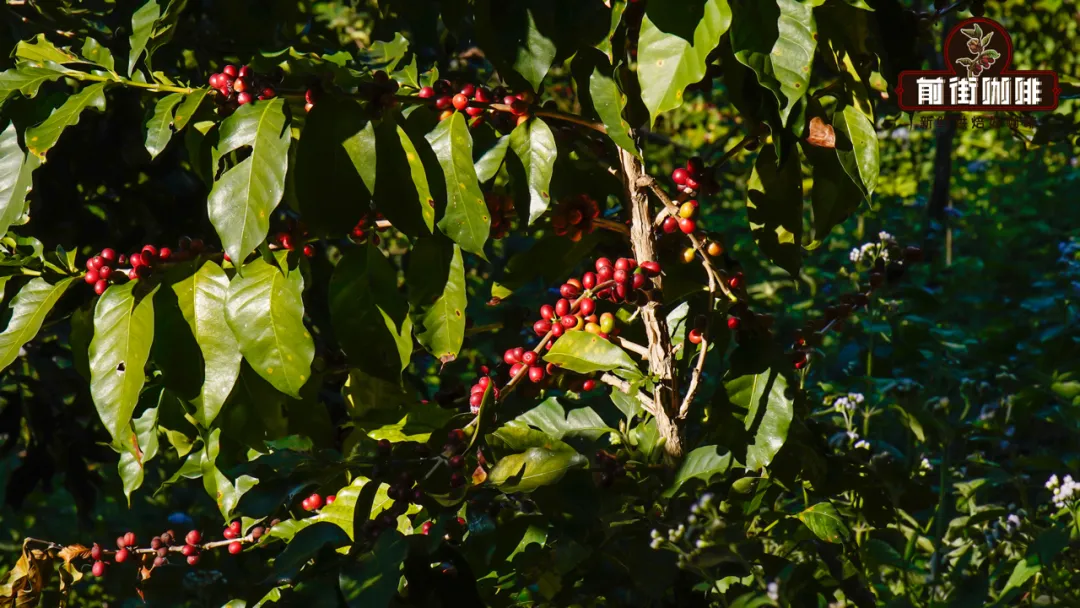
Varietal genetics determine the upper limit of coffee beans. For example, Arabica has twice the sugar content of Robusta, so by comparison it possesses more aroma. The growing environment determines the degree of development of the coffee bean, and there are many influencing factors here. Qianjie will take altitude as an example.When coffee beans are grown at higher altitudes, the larger temperature difference between day and night at high altitude prolongs the maturation time of the coffee beans, allowing them to accumulate more sugar before ripening.The more sugar accumulates, the more aroma and flavor the beans can naturally generate afterprocessing and roasting, and the richer they will be.When coffee cherries ripen, they are picked and sent to processing stations to remove substances other than the beans. Processing is the key stage that determines whether coffee beans can produce wine aroma! On this point, we can see clues directly from the classification of alcoholic notes on the flavor wheel.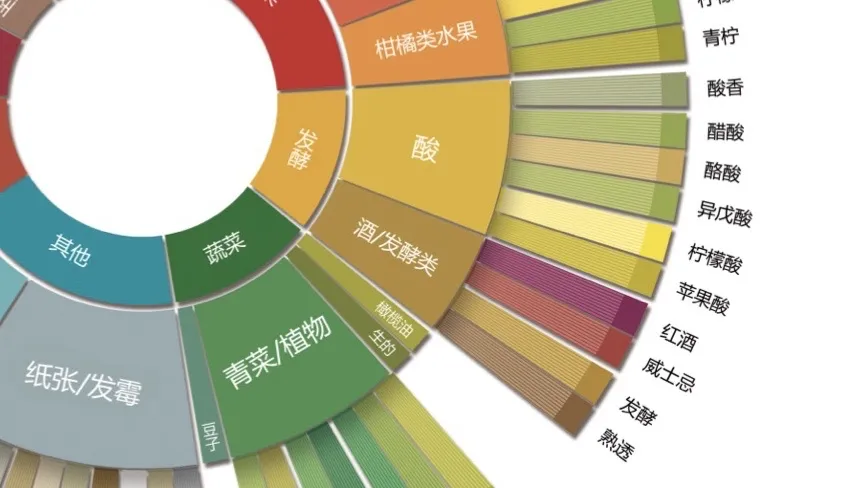
As can be seen, red wine and whisky are both classified under the fermented category, and their neighbors are fermented and overripe. This is because wine aroma is mainly produced through microbial fermentation, and the same is true for coffee.Coffee beans undergo fermentation during processing, and different processing methods lead to different degrees of fermentation. The more fermentation coffee beans undergo during processing, the higher the concentration of wine aroma formed. That is why wine aroma often appears in coffees such as natural, honey, and anaerobic processed coffees, because their degree of fermentation is relatively deeper.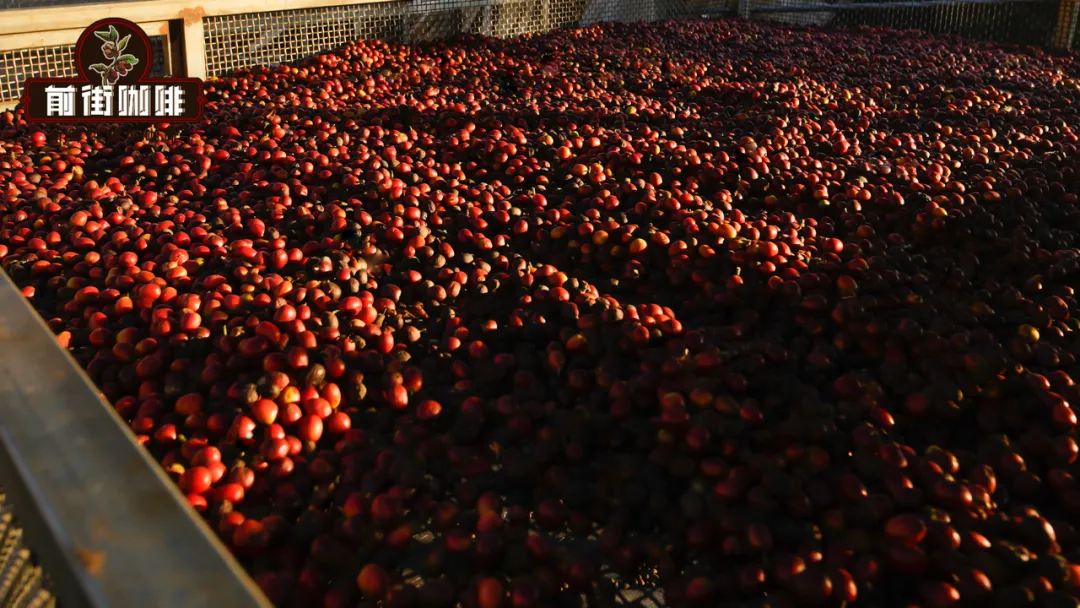
As mentioned at the beginning by Qianjie, roasting transforms the substances stored in coffee beans, so Qianjie will not repeat it here. But interestingly,on the basis that coffee beans already possess wine aroma after processing, the degree of roasting can determine the characteristics of the wine aroma, such as whether the wine note is fresh and light or heavy and intense.Because Qianjie said earlier that wine flavor is a flavor characteristic formed jointly by aroma, taste, and mouthfeel, and the degree of roasting affects the taste and aroma expression of coffee, so it naturally has a certain influence on the tone.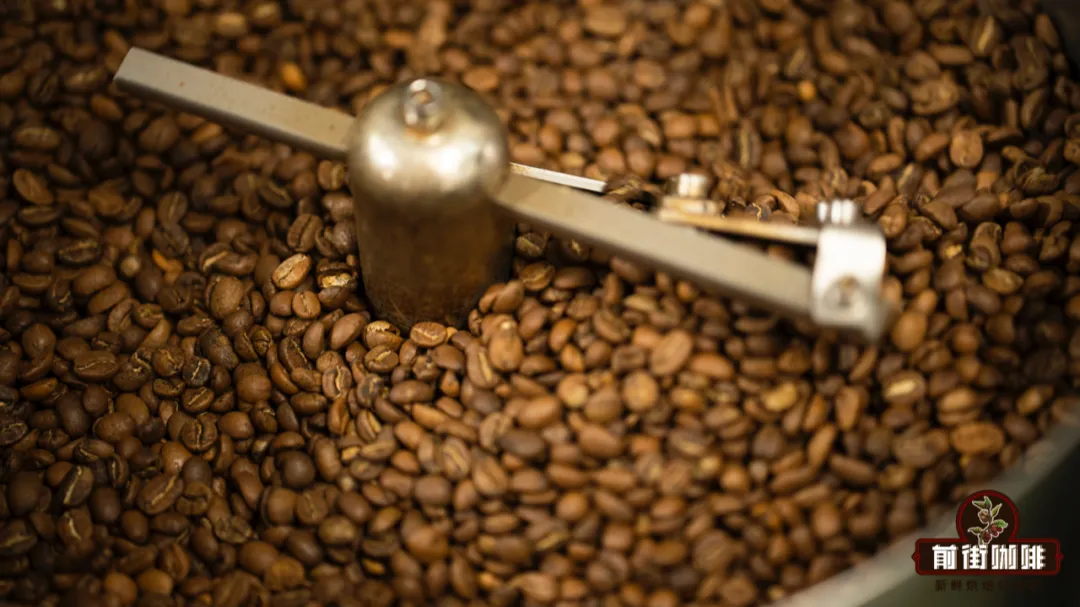
For example, for the 90+ Juliette Geisha on Qianjie's bean list, before it was listed, Qianjie roasted several Juliette batches with different roast levelsfor cupping, in order to select the curve that could bring out the best flavor performance.And because it is a heavily anaerobic processed coffee bean, it inherently carries a relatively prominent wine aroma. Through cupping we can taste that, when lightly roasted, the wine aroma it gives off is very fresh, a light type similar to champagne; when medium roasted, the wine aroma it gives off is relatively stronger, close to the mellow richness of wine.Extraction methodsIn addition to the above "upstream industries" that cause coffee beans to generate wine aroma, some coffee extraction methods can also produce the same effect. The difference is that what they change is not the coffee beans themselves, but the extracted coffee. For example, cold drip coffee is a very good example.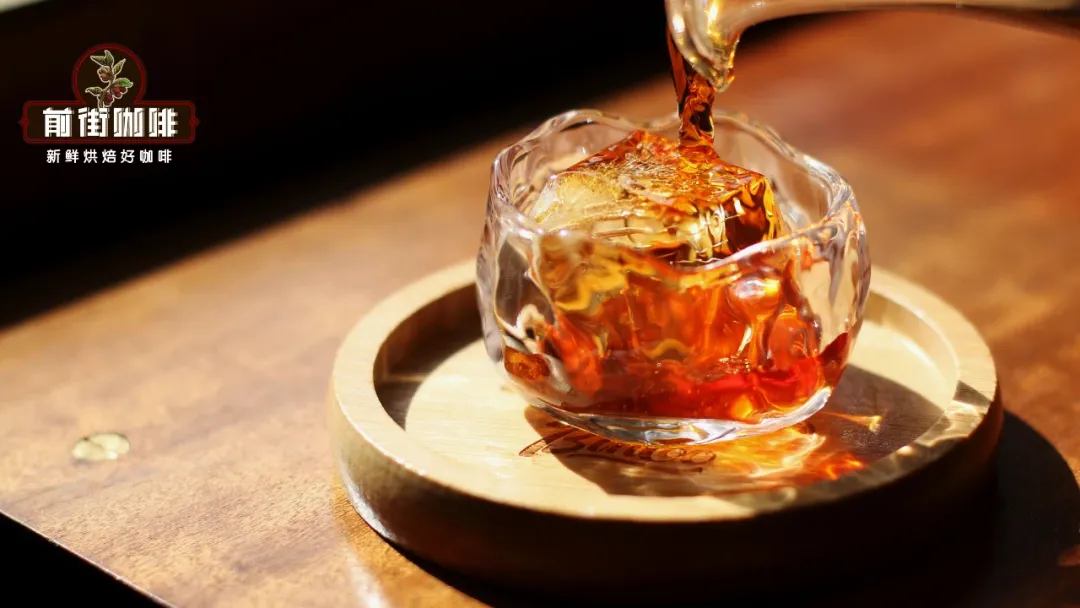
If you have tried cold drip, you know that cold drip coffee has an extremely rich wine aroma. Even coffee beans that do not originally have wine aroma will possess a rich wine aroma after being made into cold drip coffee.This is mainly due to the special extraction method of cold drip coffee!Cold drip coffee is a coffee extraction method using cold-water drip filtration, but the coffee cannot be drunk immediately after extraction. It needs to be sealed and refrigerated in the refrigerator for several hours before it can be enjoyed. Because during refrigeration, the coffee undergoes slow fermentation, generating more substances to enhance the mouthfeel and taste. The wine aroma is produced through fermentation during the refrigeration process.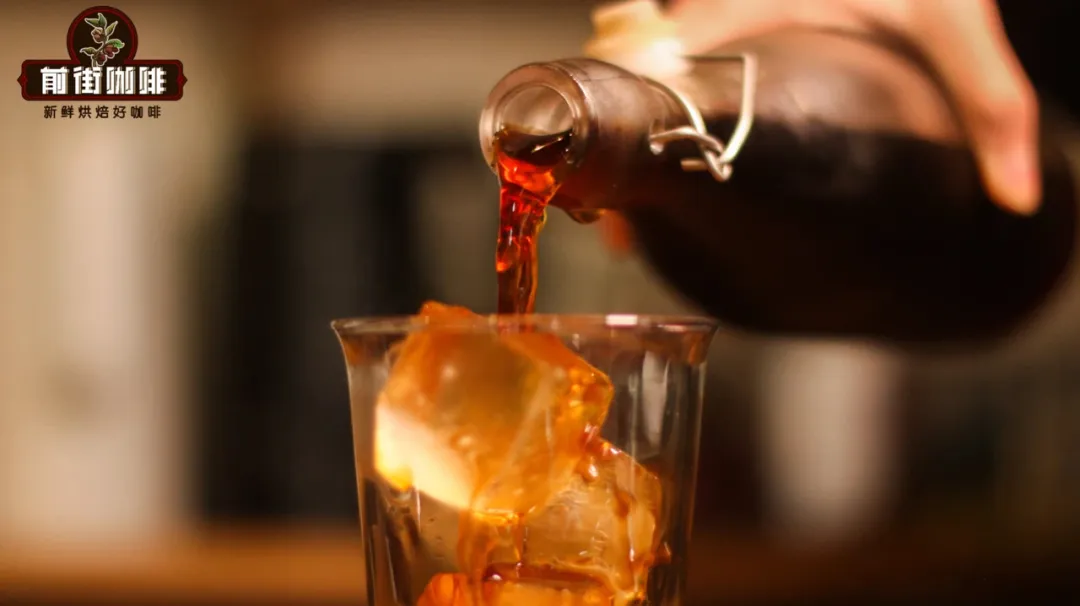
When the coffee beans themselves have more wine aroma, or the fermentation time is longer, the resulting cold drip coffee will have a richer wine aroma.In summary, everyone can understand why coffee carries wine aroma even though it contains no alcohol~ But Qianjie still needs to remind you again that the above refers only to black coffee with nothing added, and does not include those special coffees made by adding alcohol.

Light Roast Pour-Over Floral Coffee Beans Recommendation: Qianjie Yirgacheffe Gedeo Dingding, Qianjie Panama Hacienda La Esmeralda Green Label Geisha Coffee Beans, QianjiePanama Butterfly Coffee Beans
Daily medium-light roast Yirgacheffe pour-over floral coffee bean recommendation, Qianjie Yirgacheffe Guddina, light roast brings the signature white floral notesAromatic, with lemon-citrus fruit notes and a refreshing floral tea note; bright and crisp on the palate. Great value and an ideal entry-level pour-over coffee with floral and fruity notesAn unrivalled choice.
Moka pot, home espresso, and espresso-based milk drinks like latte — recommended beans: Qianjie Classic Espresso Blend, using BrazilianWest, with Mandheling Arabica and a small amount of Vietnamese Robusta fully blended, delivering a rich and outstanding espressocrema; overall style is rich and memorable. Qianjie Brazil Queen's Estate coffee beans and Qianjie Classic Espresso Blend coffee beans are both mochaA highly recommended option for pot-style espresso machines.
Fruity-floral signature espresso latte bean recommendation: Qianjie Strawberry Candy espresso blend, featuring strawberry gummy and rose aromas,Full-bodied sweetness with a grape and almond finish; especially stunning as an iced latte. Made from Costa Rican honey-process beans, PanamaBlended from Panama Geisha coffee beans and select beans from Colombia's Huila region. Not only does it overturn traditional espresso flavor, the cremaalso performs well, with impressive showings in creative specialty drinks.
Now available on Taobao store「 Qianjie Coffee 」To purchase the above coffee beans, Qianjie Coffee offers dozens of selected single-origin pour-over and espresso coffee beans from around the world. Qianjie CoffeeQianjie Coffee is a veteran specialty coffee roaster; beans are freshly roasted within 5 days, with consistent quality and highly competitive pricesGreat value, ships within 24 hours. Qianjie Coffee is recommended by many coffee lovers and platforms.
Taobao Qianjie Coffee Link: https://qianjiecoffee.taobao.com
Or search our shop directly on Taobao 「Qianjie Coffee」
Qianjie Coffee Store Address: 315 Donghuadong Road, Yuexiu District, Guangzhou
Follow our official account Qianjie Coffee to learn more about coffee
Site Recommendations:
耶加雪菲
花魁咖啡
瑰夏咖啡
波旁咖啡
蓝山咖啡
天堂鸟咖啡豆
曼特宁咖啡豆
PWN黄金曼特宁
星巴克菜单
咖啡豆种类
Please indicate the source when reprinting.
2025-03-03 16:43:29

