Astringency does not belong to the same taste category as sour, sweet, or bitter; rather, it is a puckering sensation in which the mouth and tongue feel constricted, a rough, wrinkly tactile feeling. When pour-over coffee tastes gritty and rough, it is most likely a problem in the extraction stage rather than the beans themselves. To solve it, you first need to understand where astringency comes from and under what conditions it is released, then go back and troubleshoot grinding, water temperature, and pouring rhythm one by one.
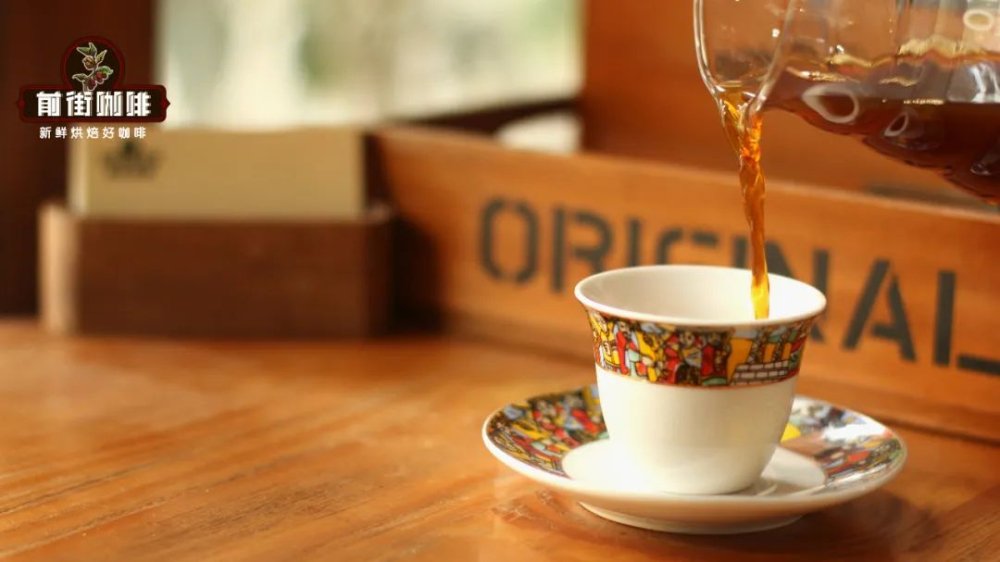
For most people, it is usually hard to agree on what flavors a cup of coffee has, but if a distinct astringency or astringent sensation appears in a cup of coffee, then I believe everyone can quickly notice it upon the first sip.

Normally, Qianjie's back office often receives messages from readers, and quite a few of them ask how to avoid astringency when brewing coffee. For example, last week a friend said that nothing seemed unusual during the entire brewing process and the parameters were all within the extraction plan, but the coffee tasted rather unpleasant, and when swallowing, the throat and tongue felt a sandy roughness that even lingered for a long time. Therefore, they guessed it was caused by too much astringency and wanted to know which step had gone wrong.
As a negative mouthfeel, astringency is actually not likely to appear in high-quality coffee. To brew a clean cup without off-flavors, the first choices are Qianjie Panama Geisha, Qianjie Flower Queen, and Qianjie Guodingding. These three single-origin beans come from world-renowned coffee regions and carry fragrant aromas and sweet fruit flavors, making them very suitable for personal tasting and for gifting to relatives and friends.

In Qianjie's view, to solve the unpleasant "astringency" in coffee, we must first understand this perception and find the patterns of its release, and only then can we fundamentally avoid this kind of problem.
What exactly does astringency feel like?
The so-called astringency (Astringency) is actually a puckering sensation of being "gripped" produced in the mouth and tongue, or a very rough, wrinkly feeling. In other words, astringency means not smooth, so it is a tactile sensation and does not belong to taste.
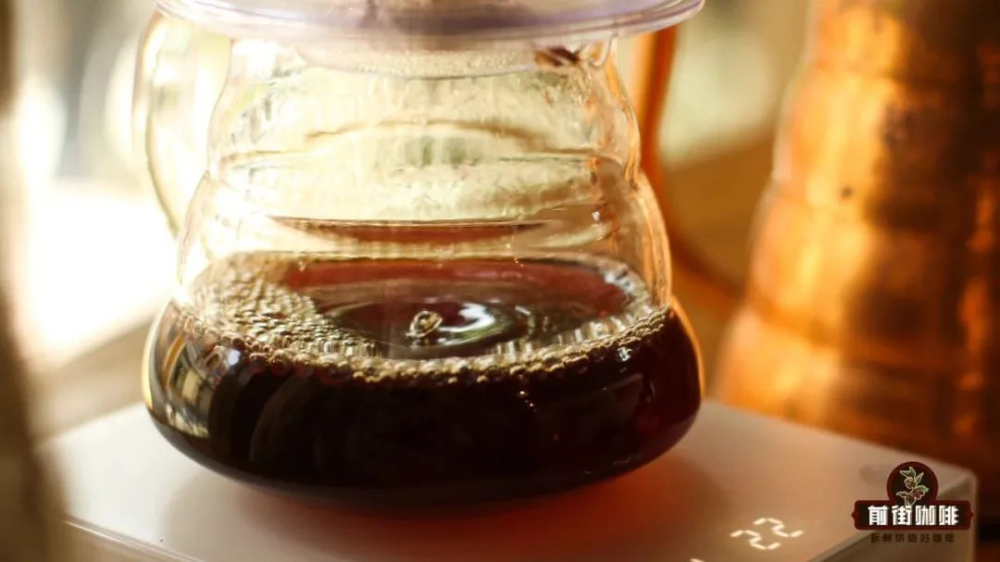
Although it is different from tastes such as sour, sweet, and bitter, as a tactile sensation that most people cannot accept, once we perceive the presence of "astringency," no matter how rich the food's aroma is, the mind usually recalls this negative impression first. For example, when Qianjie eats a banana that is not fully ripe, although the fruit aroma is also perceived, the rough feeling formed on the teeth after eating is always uncomfortable.
Where does the astringency in coffee come from?
In daily life, tea, red wine, and coffee all can produce an astringent mouthfeel, but their sources differ. The astringency in tea comes from tea polyphenols, the astringency in red wine comes from the tannic acid in grape skins and seeds, and the astringency in our coffee comes from dicaffeoylquinic acid, which is formed by the degradation of chlorogenic acid in green beans after roasting, while substances such as tartaric acid and tannic acid are also sources of astringency.

If the coffee you drink has an obvious sandy roughness, a mouthfeel that obstructs the palate, catches in the throat, or feels dry, all tending toward astringency, then it is very likely caused by the above substances dissolving too much into the coffee or accounting for too large a proportion.
Strictly speaking, there are many reasons coffee becomes astringent, including insufficient ripeness at harvest, too high a defect rate in green beans, overly rough post-processing, improper transport and storage, insufficient roast development, and uneven extraction, all of which may be the "real culprits" causing astringency in coffee.
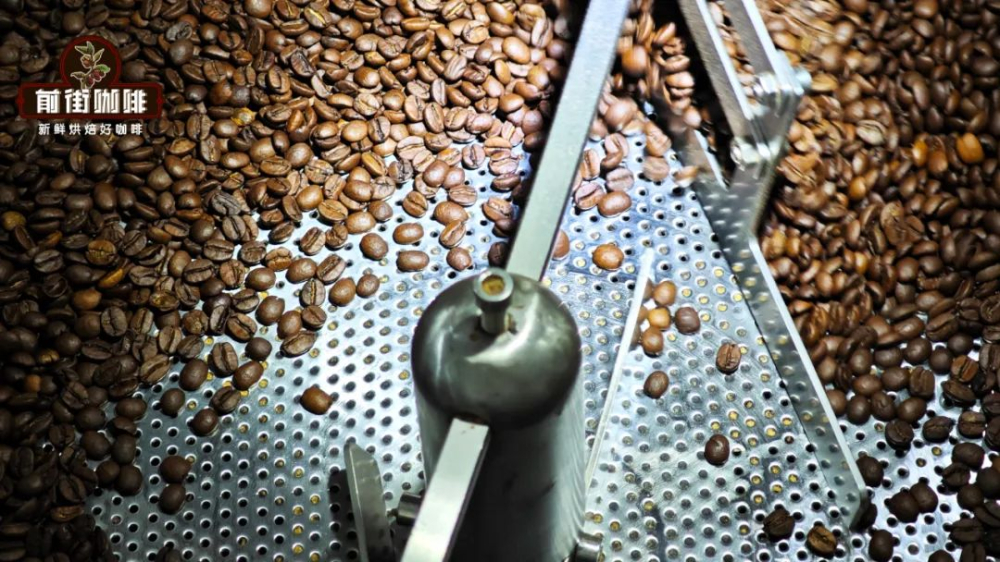
But as consumers, as long as you buy from trustworthy brands, you will basically not encounter coffee becoming astringent due to green beans or roasting, because before these products are officially launched, they have already passed layer upon layer of checks by growers in the place of origin, green bean traders, roasters, baristas, and other practitioners, so their quality is naturally reliable. Therefore, when you confirm that the product you bought has no problems, but the coffee you brew often tastes astringent, you may as well look for the cause in the following brewing details.
Which situations are most likely to cause astringency in coffee?
1. Brewing time is too long
I believe many people know that the release rates of various substances in coffee under hot water are different. Large-molecule substances, mainly bitterness and astringency, usually dissolve in a concentrated way during the final stage. Therefore, astringency in coffee is often accompanied by an unpleasant bitter aftertaste. From the logic of extraction, the longer coffee is brewed, the stronger the flavor becomes, and the later it goes, the easier it is to release bitter and astringent flavors.
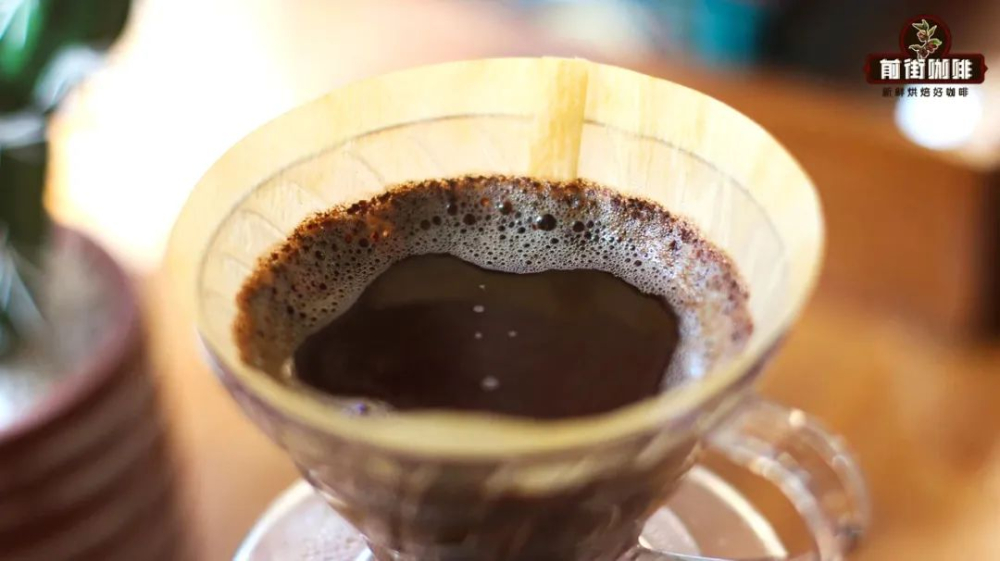
So if you want coffee to be extracted reasonably, you must control the brewing time well. Taking a single serving of 15-16g of coffee grounds as an example, Qianjie recommends no more than 2 minutes 30 seconds. When your actual brewing time exceeds two and a half minutes and you do taste bitterness and astringency, then to improve the coffee's flavor, you must adjust the parameters according to the actual situation.
For example, if after brewing there is a large amount of wet muddy powder on the surface of the coffee bed, it means there are too many fines causing water to accumulate, and you need to coarsen the grind size;
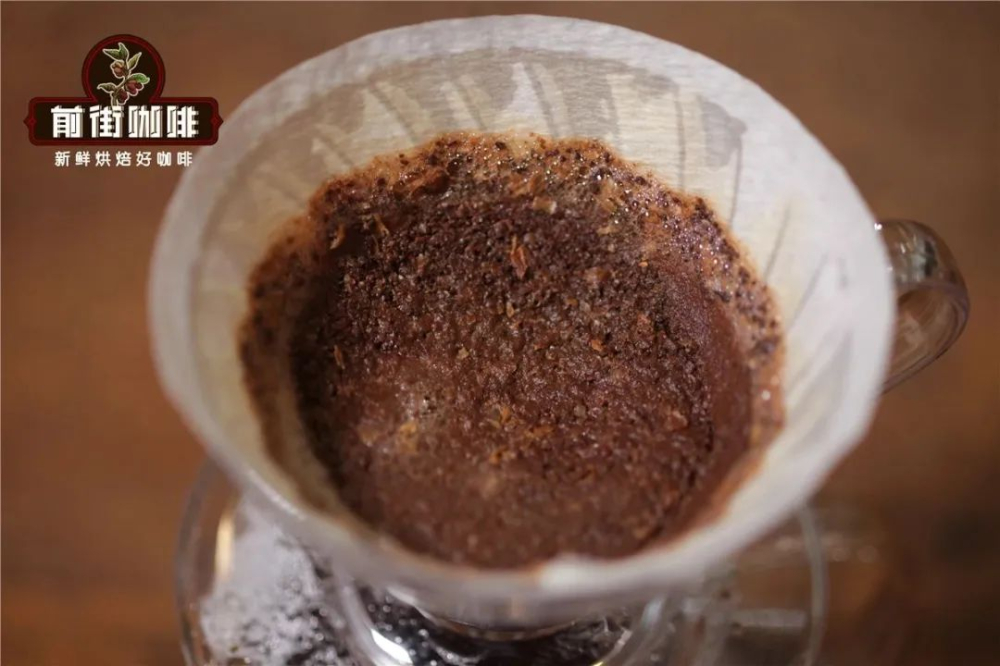
If most of the coffee grounds are concentrated at the bottom and look very flat, then it is very likely that the pouring force was too small, so the coffee bed was not lifted, and the water was forced to seep slowly downward through a thick barrier layer, thereby prolonging the brewing time. The solution is to appropriately increase the flow of the water stream after blooming so that the water level rises as much as possible to two-thirds of the height of the dripper.
2. The scouring force of the water stream is too strong
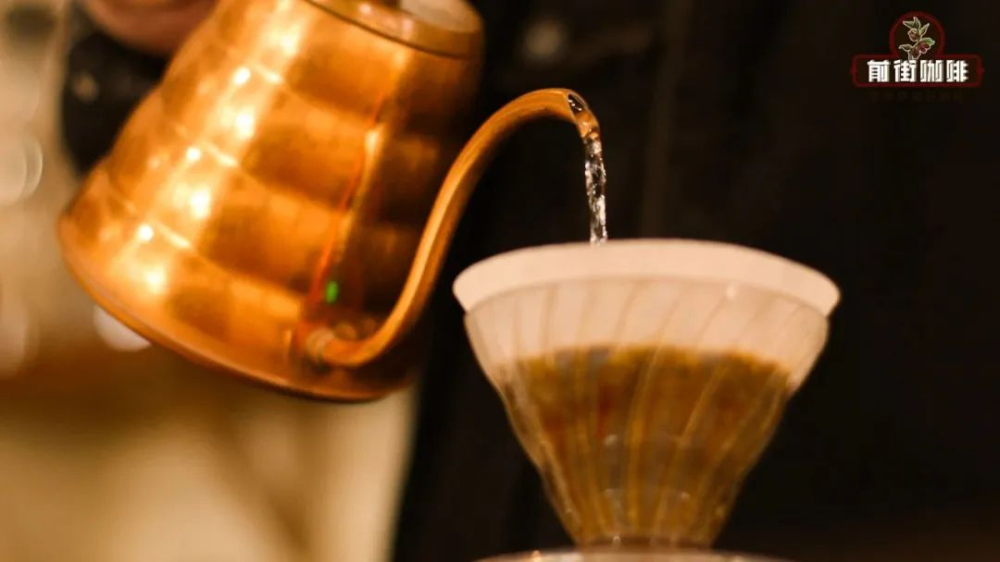
According to Qianjie's observation, there are mainly two situations in which pouring problems cause astringency: the first is unstable water flow leading to uneven extraction of particles, which makes the coffee both sour and astringent; the other mostly comes from friends who are used to using a large stream to stir the coffee bed, which easily scours out off-flavors and astringency in the later extraction stage.
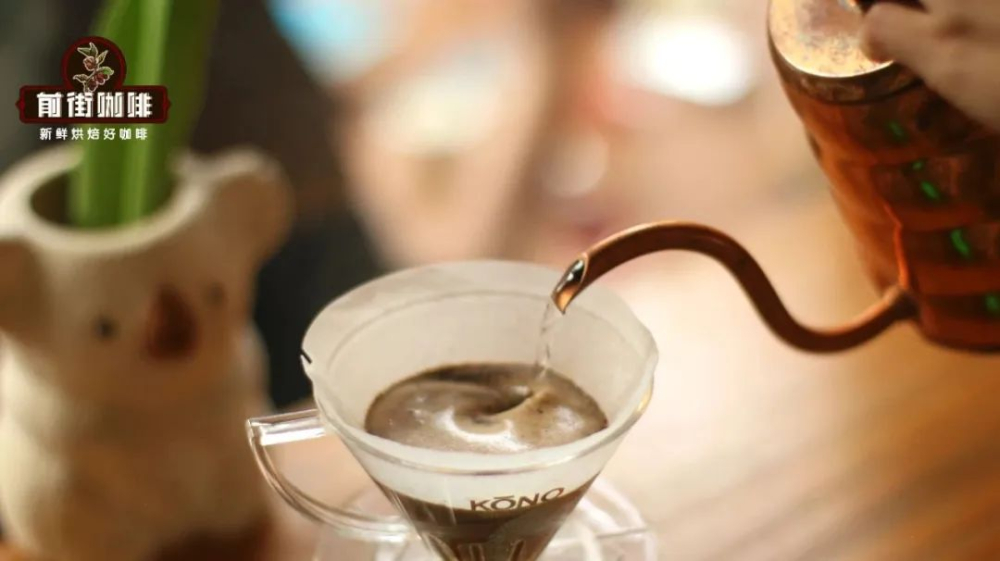
Unlike other parameters, pouring is a practical skill that requires constant practice. To achieve even brewing, Qianjie recommends using a vertical water stream, keeping it 3-4 cm above the coffee bed, and then pouring slowly in circles.
3. The dripper's extraction efficiency is too high
For many beginners, the material of the dripper is one of the most easily overlooked causes of over-extraction. For example, ceramic drippers have a relatively high specific heat capacity. Preheating can provide good heat retention throughout the pouring process, but at the same time it also "quietly" raises the coffee's extraction efficiency, thereby increasing the probability that astringency will be released in the final stage.
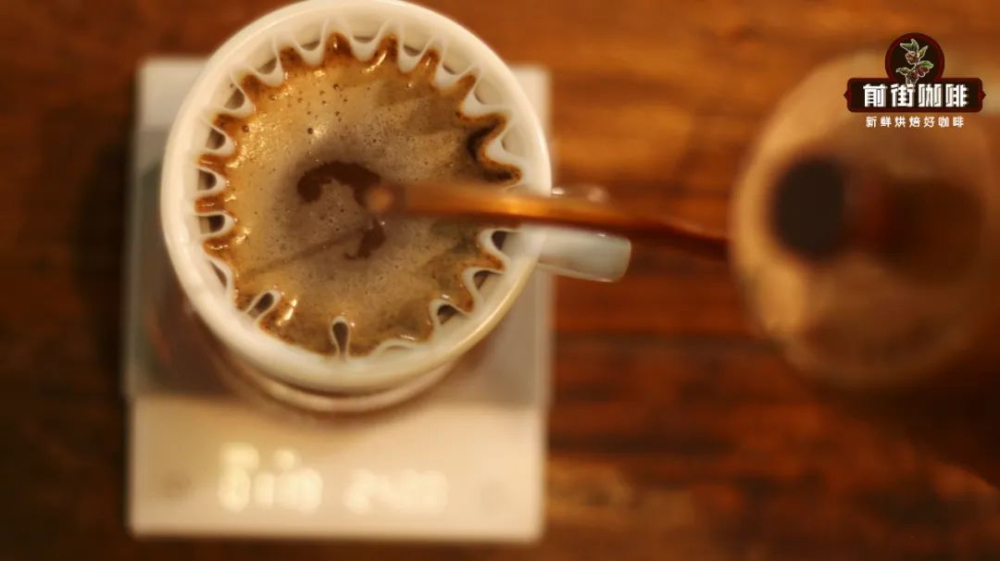
So when the coffee we drink is astringent, the dripper used is ceramic, and the first two situations have already been ruled out, then we may as well start from temperature and try lowering the brewing water temperature by 2-3°C to reduce the risk of over-extraction.

Light Roast Pour-Over Floral Coffee Beans Recommendation: Qianjie Yirgacheffe Gedeo Dingding, Qianjie Panama Hacienda La Esmeralda Green Label Geisha Coffee Beans, QianjiePanama Butterfly Coffee Beans
Daily medium-light roast Yirgacheffe pour-over floral coffee bean recommendation, Qianjie Yirgacheffe Guddina, light roast brings the signature white floral notesAromatic, with lemon-citrus fruit notes and a refreshing floral tea note; bright and crisp on the palate. Great value and an ideal entry-level pour-over coffee with floral and fruity notesAn unrivalled choice.
Moka pot, home espresso, and espresso-based milk drinks like latte — recommended beans: Qianjie Classic Espresso Blend, using BrazilianWest, with Mandheling Arabica and a small amount of Vietnamese Robusta fully blended, delivering a rich and outstanding espressocrema; overall style is rich and memorable. Qianjie Brazil Queen's Estate coffee beans and Qianjie Classic Espresso Blend coffee beans are both mochaA highly recommended option for pot-style espresso machines.
Fruity-floral signature espresso latte bean recommendation: Qianjie Strawberry Candy espresso blend, featuring strawberry gummy and rose aromas,Full-bodied sweetness with a grape and almond finish; especially stunning as an iced latte. Made from Costa Rican honey-process beans, PanamaBlended from Panama Geisha coffee beans and select beans from Colombia's Huila region. Not only does it overturn traditional espresso flavor, the cremaalso performs well, with impressive showings in creative specialty drinks.
Now available on Taobao store「 Qianjie Coffee 」To purchase the above coffee beans, Qianjie Coffee offers dozens of selected single-origin pour-over and espresso coffee beans from around the world. Qianjie CoffeeQianjie Coffee is a veteran specialty coffee roaster; beans are freshly roasted within 5 days, with consistent quality and highly competitive pricesGreat value, ships within 24 hours. Qianjie Coffee is recommended by many coffee lovers and platforms.
Taobao Qianjie Coffee Link: https://qianjiecoffee.taobao.com
Or search our shop directly on Taobao 「Qianjie Coffee」
Qianjie Coffee Store Address: 315 Donghuadong Road, Yuexiu District, Guangzhou

Site Recommendations: 耶加雪菲 花魁咖啡 瑰夏咖啡 波旁咖啡 蓝山咖啡 天堂鸟咖啡豆 曼特宁咖啡豆 PWN黄金曼特宁 星巴克菜单 咖啡豆种类
Please indicate the source when reprinting.
2026-08-03 17:57:34
