Pour-over is the most common stage for filter paper, but filter paper also has a chance to appear in other extraction methods, only with different functional emphases. Cold brew coffee has a long steeping time, and fine particles tend to stay suspended; filtering once before serving can make the mouthfeel cleaner. Adding a layer of filter paper to a moka pot can block some fine particles and reduce sputtering. The same sheet of paper plays different roles in different brewers.

Yesterday Qianjie shared that the differences between filter papers are as big as the differences between humans and chimpanzees. Since the topic was filter paper, quite a few friends in the comments section asked other questions about filter paper. For example: “Besides pour-over coffee, how else can filter paper be used?”, “Can a moka pot use filter paper?” and so on. (Great! Successfully helped Qianjie find today’s topic! )
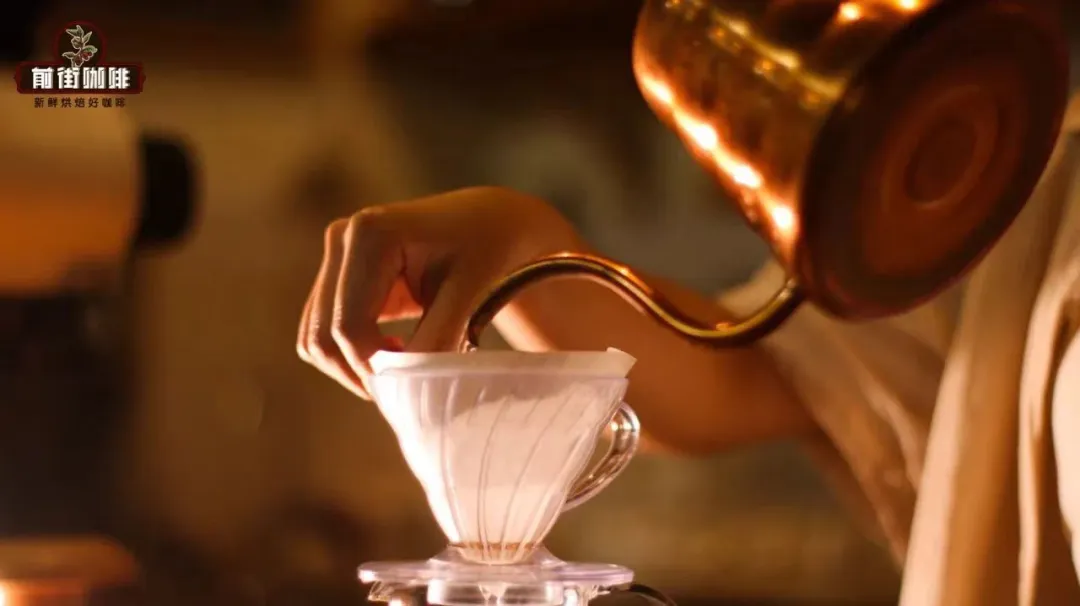
Although pour-over coffee is the main way filter paper is used, other extraction methods actually more or less have a need for filter paper. And in different usage scenarios, the function of filter paper differs somewhat (though the essence is always filtration). So today, Qianjie will share which coffee extraction methods besides pour-over coffee actually use filter paper, and what the differences are~
1. Cold Brew Coffee
For cold brew, first choice is single-origin beans for pour-over. If you like floral notes, buy Qianjie Little Tomato or Qianjie Huakui; if you like boozy notes, buy Qianjie Sidra or Qianjie Blackberry

When it comes to ways of using filter paper other than pour-over, we have to mention cold brew coffee first, after all, cold brew coffee’s need for filter paper is not small at all.
As everyone knows, making cold brew coffee means mixing coffee grounds with an appropriate ratio of room-temperature water, sealing it, and then placing it in the refrigerator for cold steeping extraction. After extraction is complete, we cannot just pour it out and drink it directly; instead, we need to first filter out the coffee grounds through filter paper, and only after obtaining a clean, particle-free coffee liquid can it be served or drunk.
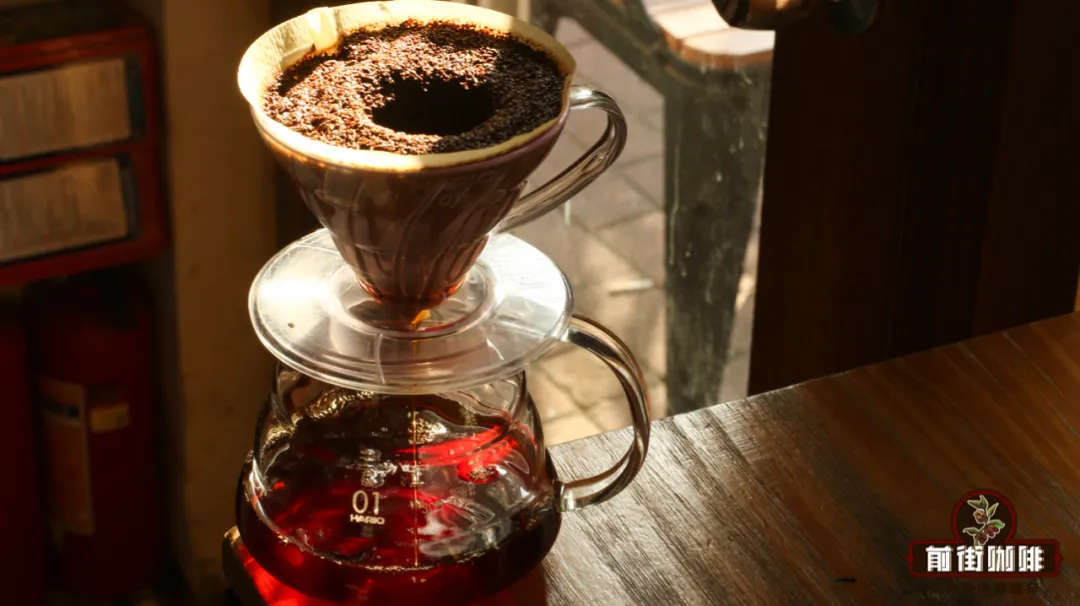
The reason is simple: because the extraction method is steeping, the coffee liquid is already mixed with a large amount of coffee grounds. If we do not filter them out through filter paper, then the cold brew coffee experience will be greatly diminished by the presence of all those coffee grounds. Some friends may say: “If you use a dedicated cold brew bottle, wouldn’t that save you the extra step?”
Hard to say! Why? Because although there are already cold brew bottles specially designed for cold brew steeping on the market, and most of these bottles come with filter meshes that can separate the coffee grounds, these meshes cannot isolate all the coffee grounds. Because it is necessary to ensure that water and coffee grounds can fully contact each other, the mesh openings cannot be set too small.
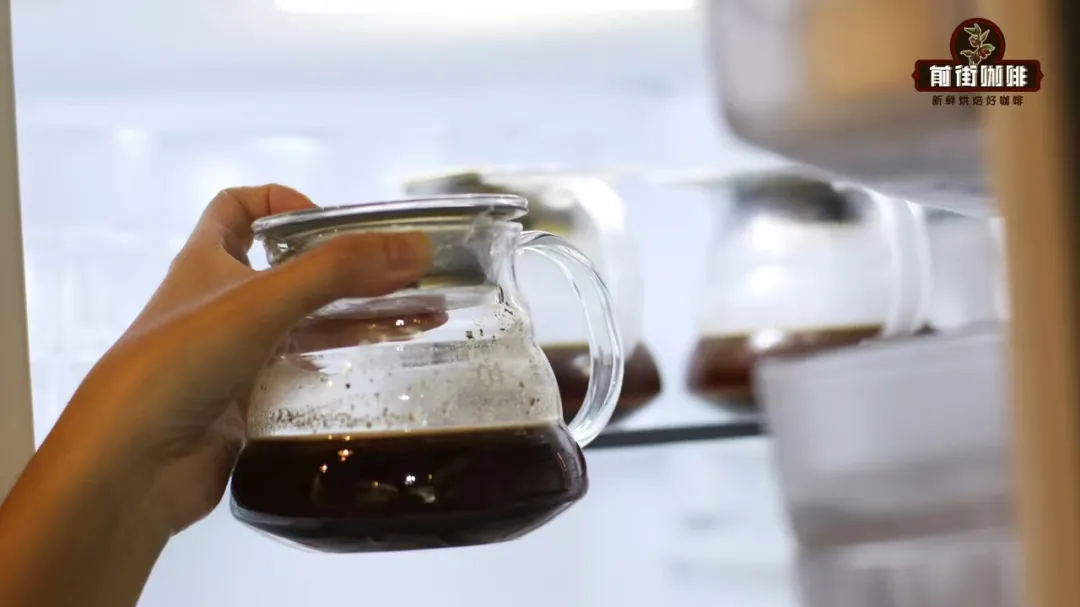
This leads to many smaller coffee particles escaping through the mesh during steeping, not just fine particles but also particles larger than fine ones. If we do not filter again after extraction is complete, then the excessive amount of coffee grounds present will affect the overall coffee experience (the specifics depend on the cold brew bottle mesh used), for example, the mouthfeel will be very rough. Therefore, after cold brew coffee steeping is complete, we use filter paper for a second filtration.
2. Ice Drip Coffee
To make ice drip coffee, it is best to buy medium-light roasted single-origin beans; first choice is Qianjie Flower Butterfly or Qianjie Guodingding

Ice drip coffee is also a regular user of filter paper. Generally, to make a pot of ice drip coffee, Qianjie uses two round filter papers. One is placed at the bottom of the dripper, and the other is placed on top of the coffee grounds (one portion is two sheets; actually one sheet also works). Although they are both filter paper, because they are in different places, their functions differ to some extent.
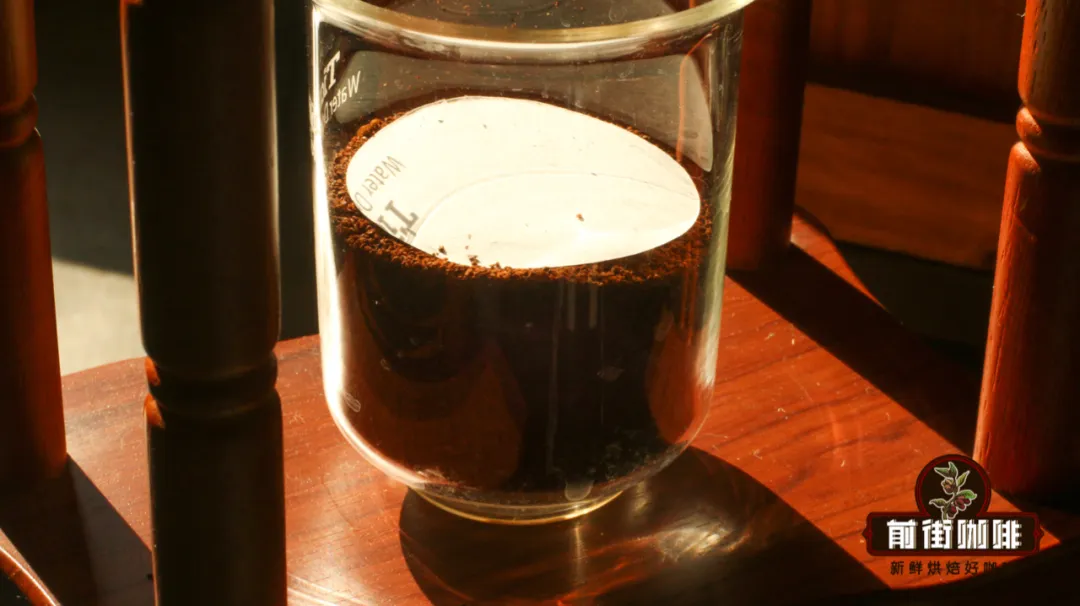
The filter paper placed at the bottom of the dripper is mainly used to filter coffee grounds and prevent coffee grounds from getting into the coffee; while the filter paper placed on top of the coffee grounds serves to disperse water droplets, reducing the penetrating force of the falling drops, while evenly distributing this small amount of water to the coffee grounds below, ensuring that all coffee grounds receive the same extraction.
3. Espresso
For espresso, first choice is Qianjie blend bean series; recommended are Qianjie Black Cocoa Blend and Qianjie Strawberry Candy espresso blend

Filter paper can also be used in espresso preparation, and its uses are even more extensive. For example, we can place filter paper on top of the puck, at the bottom of the portafilter basket, or at the spout. As Qianjie said earlier, they play different roles in different positions.
If we place filter paper on top of the puck, then the role of the filter paper in extraction is to distribute hot water evenly and reduce the coffee grounds contacting the dispersion screen, keeping the dispersion screen clean. (That said, the effect is actually not very significant.)
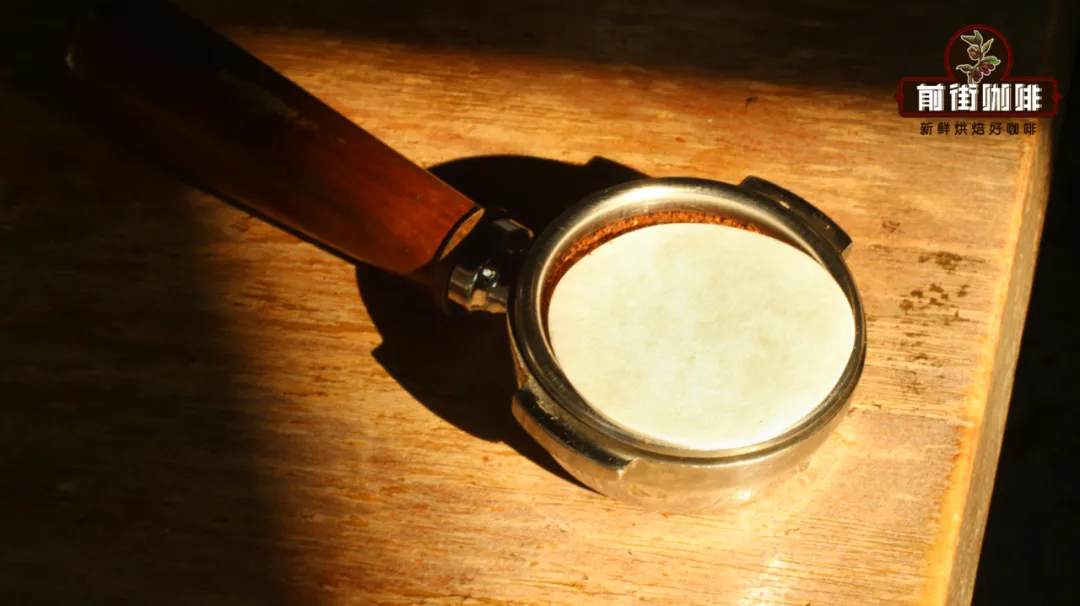
If filter paper is placed at the bottom of the portafilter basket, then the role of the filter paper in extraction will be: increasing the cleanliness of the espresso. In the article “Why does coffee have ‘tiger stripes’?”, Qianjie mentioned that because the filtration performance of the portafilter basket is not strong enough, some coffee grounds seep out together with the coffee liquid. But when we place 1~2 sheets of filter paper at the bottom of the portafilter basket, it is equivalent to increasing the filtration capacity of the basket, and the fine particles that can be released are greatly reduced, so the espresso can thereby have a cleaner presentation.
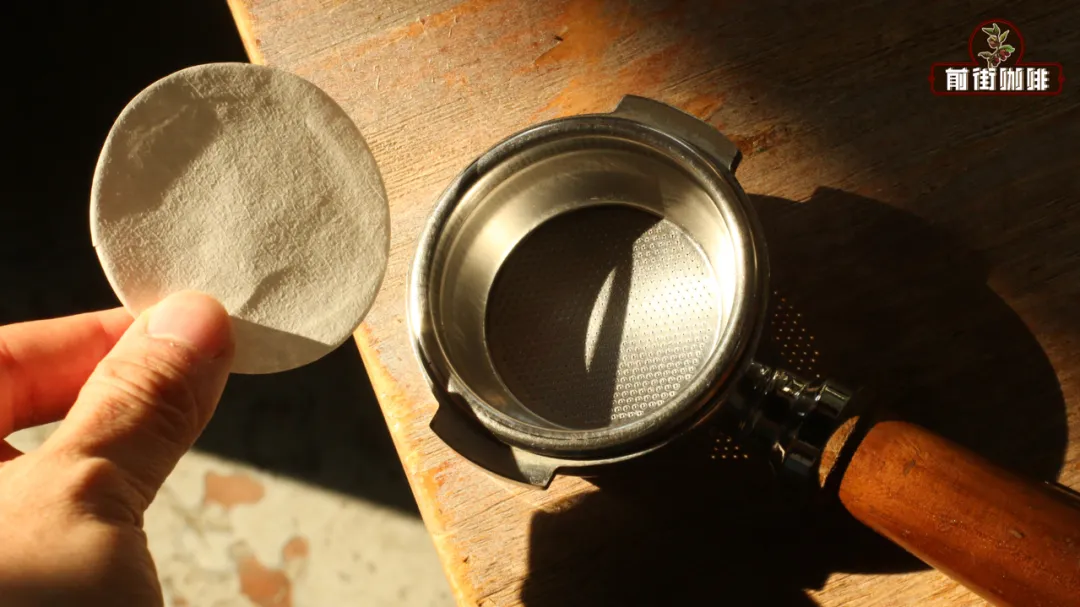
But it is worth noting that when we place filter paper at the bottom of the portafilter basket, the espresso extraction flow rate will increase due to the change in structure. For example, the espresso that Qianjie normally extracts takes 30 seconds, but after adding filter paper, the extraction time is reduced to 25 seconds. The 5-second difference causes the coffee to show relatively obvious under-extraction, so when we place filter paper at the bottom of the portafilter basket, we also need to adjust the grind.
The last option is to install filter paper at the spout! Here the filter paper mainly serves to: filter out coffee crema.
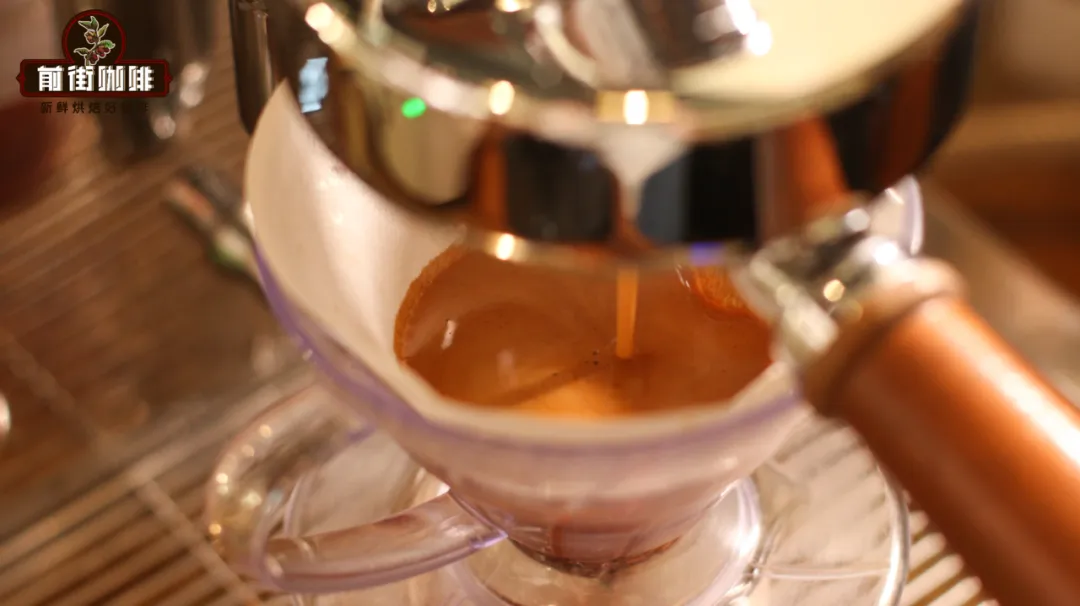
If we want to make a better-tasting Americano, perhaps removing the crema will be a good choice! This is a little “folk remedy” Qianjie shared before. The fine particles carried in the crema increase the bitterness of the coffee and reduce cleanliness. Although adding filter paper to the portafilter basket can isolate a large amount of fine particles, it is more troublesome because it changes the coffee extraction! Therefore, if we want the Americano to perform better without adjusting the grind, we can place filter paper at the spout to isolate the crema and fine particles. (But the filtration speed is really too slow, so Qianjie recommends using other filters with less filtration performance.)
4. Moka Pot
Moka pot coffee is suitable for medium-dark roasted coffee beans; it is recommended to buy Qianjie Queen’s Manor or Qianjie PWN Golden Mandheling

At the beginning, Qianjie mentioned that yesterday a friend left a comment asking whether a moka pot needs filter paper. It can, but it mainly depends on the final use of the moka pot coffee.

When our moka pot coffee is used to make black coffee, then we can choose to place a sheet of filter paper on the coffee grounds bed; this can effectively block fine particles from seeping out, giving the coffee a cleaner mouthfeel. The principle is the same as using filter paper in a coffee machine.

But if our moka pot coffee is used for milk coffee, then actually there is no need to use filter paper. Because the presence of an appropriate amount of fine particles can still increase the coffee’s body and at the same time make the coffee flavor more prominent, allowing it to hold its own against the milk.
So the above are the ways Qianjie believes filter paper can be used in coffee preparation. If there are other usage methods, welcome to add them in the comments below~~

Light Roast Pour-Over Floral Coffee Beans Recommendation: Qianjie Yirgacheffe Gedeo Dingding, Qianjie Panama Hacienda La Esmeralda Green Label Geisha Coffee Beans, QianjiePanama Butterfly Coffee Beans
Daily medium-light roast Yirgacheffe pour-over floral coffee bean recommendation, Qianjie Yirgacheffe Guddina, light roast brings the signature white floral notesAromatic, with lemon-citrus fruit notes and a refreshing floral tea note; bright and crisp on the palate. Great value and an ideal entry-level pour-over coffee with floral and fruity notesAn unrivalled choice.
Moka pot, home espresso, and espresso-based milk drinks like latte — recommended beans: Qianjie Classic Espresso Blend, using BrazilianWest, with Mandheling Arabica and a small amount of Vietnamese Robusta fully blended, delivering a rich and outstanding espressocrema; overall style is rich and memorable. Qianjie Brazil Queen's Estate coffee beans and Qianjie Classic Espresso Blend coffee beans are both mochaA highly recommended option for pot-style espresso machines.
Fruity-floral signature espresso latte bean recommendation: Qianjie Strawberry Candy espresso blend, featuring strawberry gummy and rose aromas,Full-bodied sweetness with a grape and almond finish; especially stunning as an iced latte. Made from Costa Rican honey-process beans, PanamaBlended from Panama Geisha coffee beans and select beans from Colombia's Huila region. Not only does it overturn traditional espresso flavor, the cremaalso performs well, with impressive showings in creative specialty drinks.
Now available on Taobao store「 Qianjie Coffee 」To purchase the above coffee beans, Qianjie Coffee offers dozens of selected single-origin pour-over and espresso coffee beans from around the world. Qianjie CoffeeQianjie Coffee is a veteran specialty coffee roaster; beans are freshly roasted within 5 days, with consistent quality and highly competitive pricesGreat value, ships within 24 hours. Qianjie Coffee is recommended by many coffee lovers and platforms.
Taobao Qianjie Coffee Link: https://qianjiecoffee.taobao.com
Or search our shop directly on Taobao 「Qianjie Coffee」
Qianjie Coffee Store Address: 315 Donghuadong Road, Yuexiu District, Guangzhou

Site Recommendations: 耶加雪菲 花魁咖啡 瑰夏咖啡 波旁咖啡 蓝山咖啡 天堂鸟咖啡豆 曼特宁咖啡豆 PWN黄金曼特宁 星巴克菜单 咖啡豆种类
Please indicate the source when reprinting.
2026-08-09 11:21:12
