The bean bag is printed with "tropical fruit aroma," but whether it refers to mango, pineapple, or passion fruit, many people can't say for sure. Tropical fruits grow mainly between the Tropic of Cancer and the Tropic of Capricorn, where it is hot and humid all year round with ample sunshine; when ripe, they often carry a warm, complex sweetness. Coffee itself is also a tropical crop, and this fruity layer in its flavor comes precisely from similar growing conditions and processing methods.

A friend once asked Qianjie with a puzzled look: "What exactly is this 'tropical fruit aroma' written here? If it means the taste of a certain fruit, then why not just write that fruit instead of using 'tropical fruit' to describe it?"
What are the signature characteristics of tropical fruits?
Tropical fruit, as the name suggests, refers to fruit varieties that grow mainly in tropical regions—that is, generally produced between the Tropic of Cancer and the Tropic of Capricorn. In China, Yunnan, Hainan, and Guangdong are representative provinces abundant in tropical fruits. These places have high temperatures and humidity year-round, with less distinct boundaries between the four seasons and strong sunshine throughout the year, allowing fruits grown there to give off a unique fragrance.

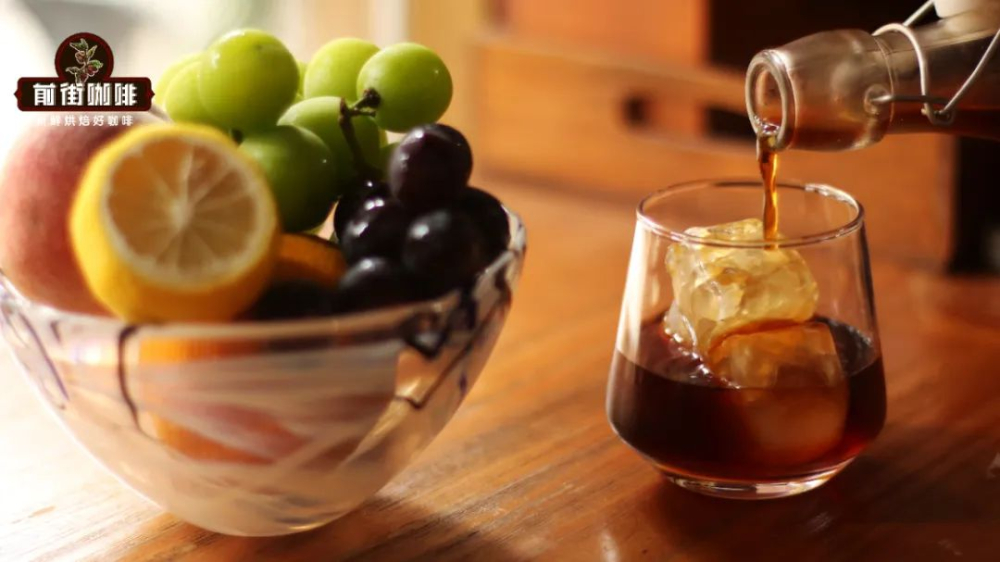
As a longtime Guangdong local, Qianjie often comes across tropical fruits such as mango, pineapple, jackfruit, lychee, coconut, passion fruit, banana, star fruit, papaya, guava... If you look closely at their characteristics, you'll find that when these fruits ripen they often carry a warm, distinctive aroma. Beyond their colorful appearance, some show a honey-like alluring sweetness, some are juicy on the palate, and some are rich in fruity fragrance—just smelling them starts the brain producing dopamine.
Why does tropical fruit flavor appear in coffee?
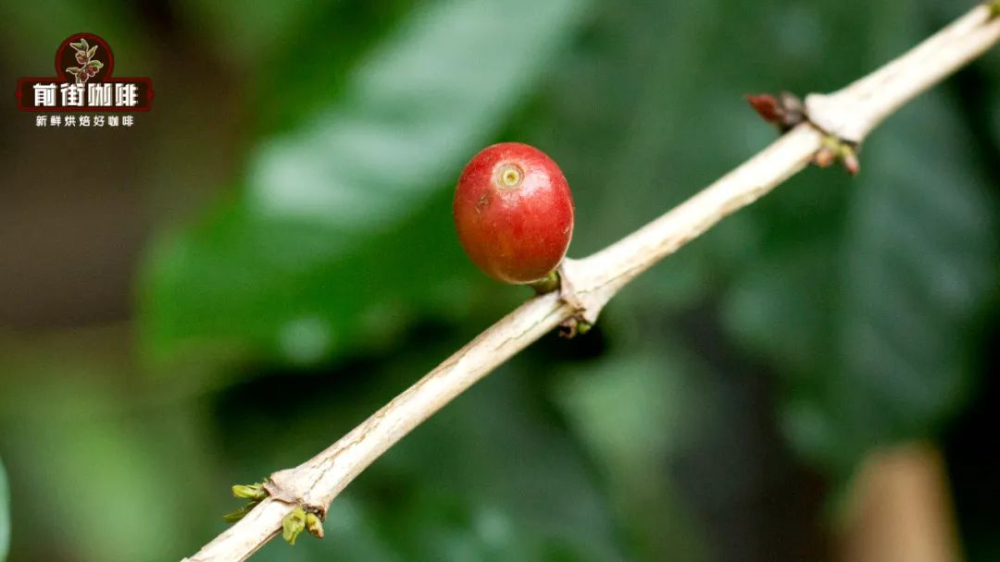
Everyone knows that coffee is a fruit, but to be more precise, coffee is also a tropical fruit, so not only can it be eaten directly, in theory it should also possess the tropical fruit characteristics mentioned above by Qianjie. But when we pick a fully ripe coffee cherry on site, whether smelling or eating it, it cannot provide the aromatic scent described on the bean bag. Why is that?
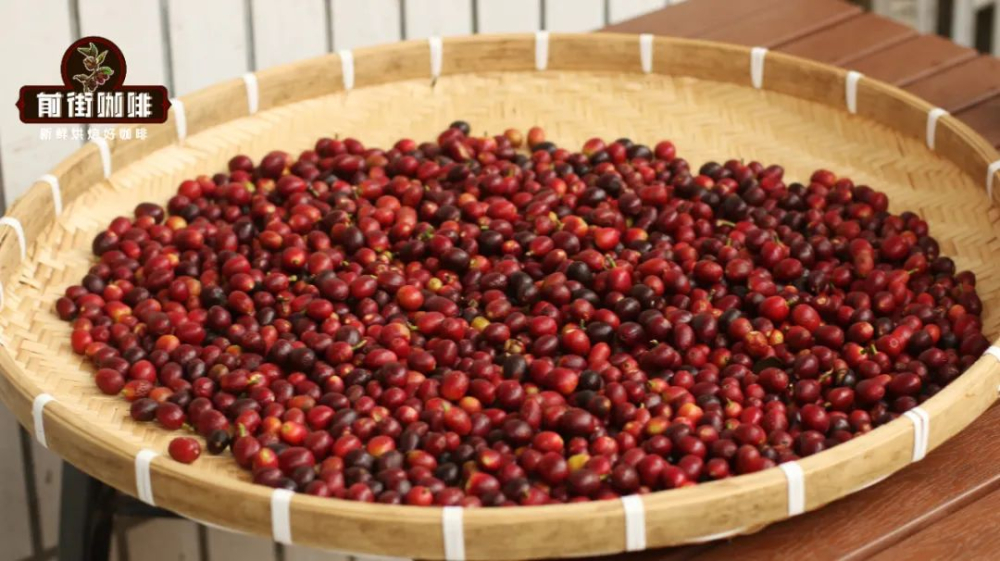
In fact, no matter the variety, ripe coffee fruit mostly has thin skin and little flesh. Clever humans discovered that rather than eating it directly, it is better to obtain the seeds inside, which offers higher usable value.
The reason coffee smells (and tastes) "fruity" ultimately comes down to the many aromatic substances it contains that resemble fruit aromas, mostly esters, ketones, and alcohols. For example, fatty acids, terpenes, and amino acids are all sources of fruity aroma components, stored in a stable form within the green beans.
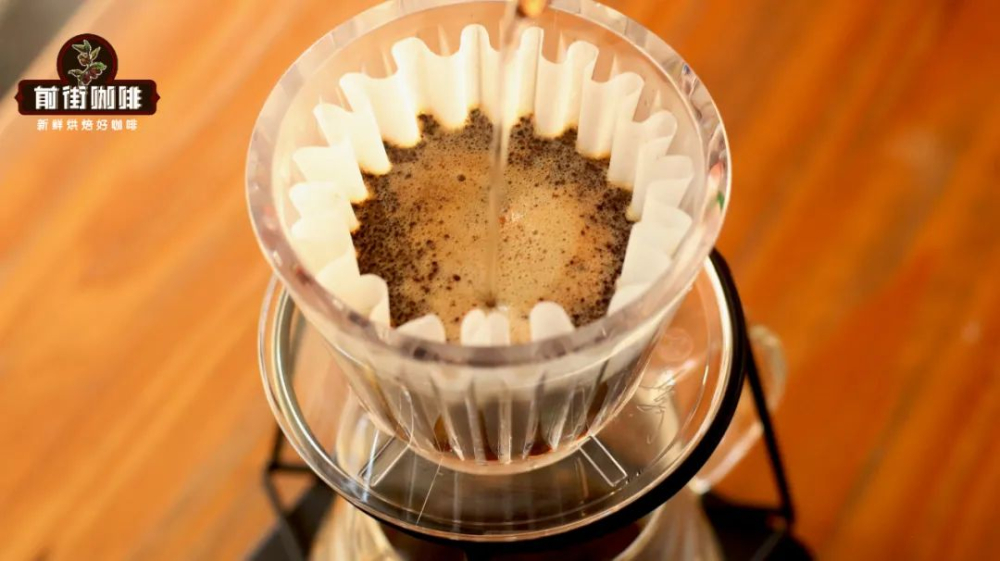
What truly brings out the fruity aroma of coffee is the roasting stage. As the green beans are heated, Maillard reactions and caramelization reactions continuously occur, generating various volatile aromatic substances internally. When certain compounds reach a certain concentration, they present a rich fruity aroma that is either warm, cozy, vibrant, or sweet, thereby evoking the impression of tropical fruits in our memory.
Which coffee beans are more likely to show tropical fruit flavors?
Based on Qianjie's cupping experience, the tropical fruits most often appearing individually in coffee flavors are passion fruit, mango, pineapple, guava, jackfruit, etc., because their aromas are quite representative and leave a deep impression on anyone who has eaten them, making them easier to pick up once they appear in coffee.
The flavors of these fruits are not limited to specific producing regions or varieties; many high-altitude naturally processed coffees from Africa and Central and South America give off such complex fruity characteristics from time to time.
Qianjie ALO from the Sidama region of Ethiopia offers a rich aroma of ripe mango;
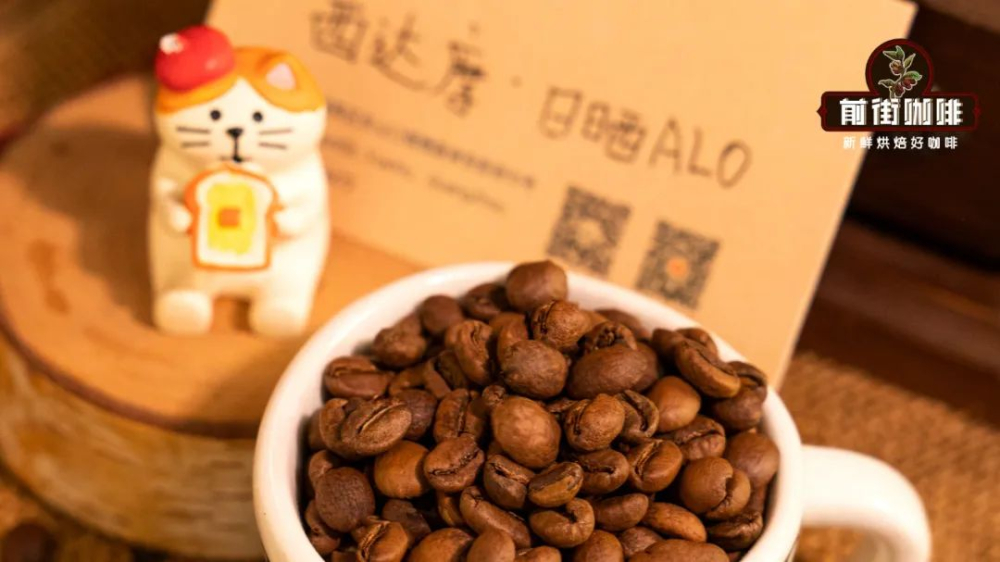
When grinding Qianjie Sidra coffee beans and Qianjie Big Navel coffee beans from Colombia, a complex passion fruit aroma can be detected;

And in the Costa Rica region, Qianjie Mozart and Qianjie Blackberry show clear aromas of pineapple and raisin, leaving a deep impression.

By contrast, fruits like papaya, star fruit, and lychee, although also having refreshingly unique aromas, tend toward a lighter, more delicate style overall. When mixed among roasted flavors like chocolate, caramel, and nuts, they are not as easily detected and identified, so they appear less frequently.
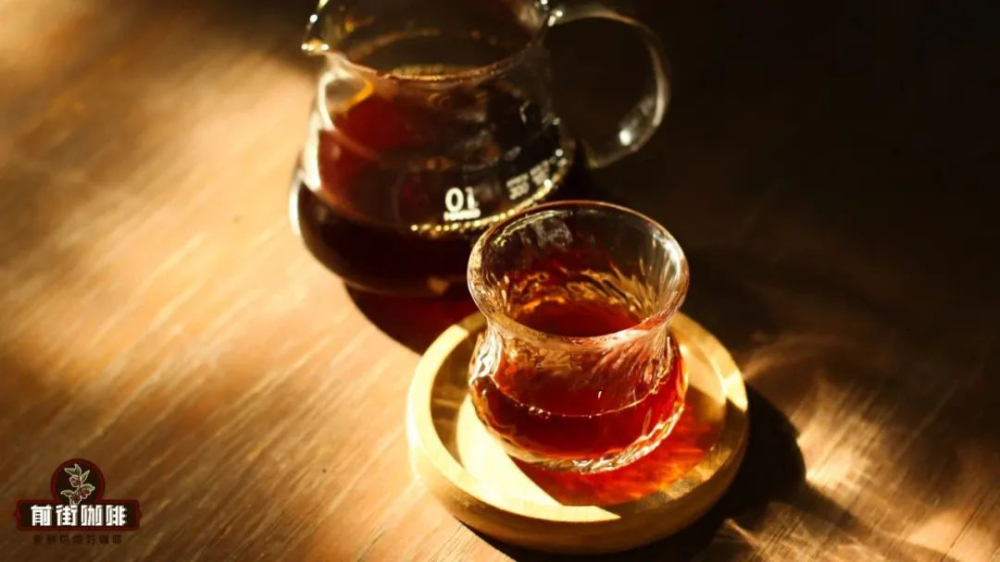
And if we do perceive a warm tropical fruit tone in the coffee but cannot pinpoint exactly which category it is, we use a broad category name to describe them generally. For example, when Qianjie routinely introduces beans like Qianjie Flower Queen and Qianjie Elida Catuai to customers and finds it hard to summarize the taste as a single fruit, it habitually uses "tropical fruit aroma" to convey this impression.

Light Roast Pour-Over Floral Coffee Beans Recommendation: Qianjie Yirgacheffe Gedeo Dingding, Qianjie Panama Hacienda La Esmeralda Green Label Geisha Coffee Beans, QianjiePanama Butterfly Coffee Beans
Daily medium-light roast Yirgacheffe pour-over floral coffee bean recommendation, Qianjie Yirgacheffe Guddina, light roast brings the signature white floral notesAromatic, with lemon-citrus fruit notes and a refreshing floral tea note; bright and crisp on the palate. Great value and an ideal entry-level pour-over coffee with floral and fruity notesAn unrivalled choice.
Moka pot, home espresso, and espresso-based milk drinks like latte — recommended beans: Qianjie Classic Espresso Blend, using BrazilianWest, with Mandheling Arabica and a small amount of Vietnamese Robusta fully blended, delivering a rich and outstanding espressocrema; overall style is rich and memorable. Qianjie Brazil Queen's Estate coffee beans and Qianjie Classic Espresso Blend coffee beans are both mochaA highly recommended option for pot-style espresso machines.
Fruity-floral signature espresso latte bean recommendation: Qianjie Strawberry Candy espresso blend, featuring strawberry gummy and rose aromas,Full-bodied sweetness with a grape and almond finish; especially stunning as an iced latte. Made from Costa Rican honey-process beans, PanamaBlended from Panama Geisha coffee beans and select beans from Colombia's Huila region. Not only does it overturn traditional espresso flavor, the cremaalso performs well, with impressive showings in creative specialty drinks.
Now available on Taobao store「 Qianjie Coffee 」To purchase the above coffee beans, Qianjie Coffee offers dozens of selected single-origin pour-over and espresso coffee beans from around the world. Qianjie CoffeeQianjie Coffee is a veteran specialty coffee roaster; beans are freshly roasted within 5 days, with consistent quality and highly competitive pricesGreat value, ships within 24 hours. Qianjie Coffee is recommended by many coffee lovers and platforms.
Taobao Qianjie Coffee Link: https://qianjiecoffee.taobao.com
Or search our shop directly on Taobao 「Qianjie Coffee」
Qianjie Coffee Store Address: 315 Donghuadong Road, Yuexiu District, Guangzhou

Site Recommendations: 耶加雪菲 花魁咖啡 瑰夏咖啡 波旁咖啡 蓝山咖啡 天堂鸟咖啡豆 曼特宁咖啡豆 PWN黄金曼特宁 星巴克菜单 咖啡豆种类
Please indicate the source when reprinting.
2026-08-10 15:13:19
