Floral aroma is a rare flavor in coffee, and not every bean can carry it. Whether a floral aroma can form mainly depends on whether the beans contain terpenoids, and this is affected by varietal genetics and the growing environment; higher altitudes help with the accumulation of flavor compounds. If the beans in hand do not themselves have floral attributes, no amount of adjustment to brewing will bring it out.
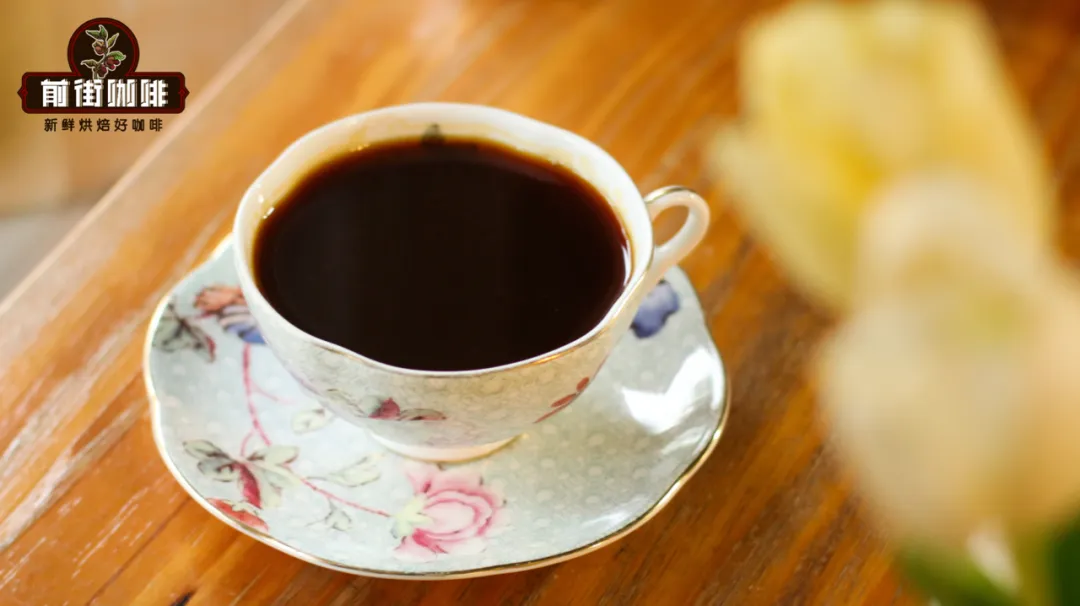
No matter the field, things with a floral scent always seem so unique, both because the fragrance of flowers can heal the heart, and because flowers, as a distinctive carrier of emotion, can spark resonance. Even coffee is the same.
Coffee can also produce floral aromas, and floral aroma is also a flavor that most coffee lovers pursue and yearn for. But like other things, floral aroma is also a rare flavor in coffee, and not all coffee carries floral notes.

Many friends often message Qianjie in the background asking how to brew out the floral flavor of coffee. But the premise is that we must use a coffee bean with floral attributes to achieve this result. If what we get is a coffee bean without floral aroma, then no matter how we adjust the brewing, the coffee we get cannot carry a floral scent.
Where does the floral aroma in coffee come from?
Whether a coffee bean can carry a floral aroma mainly depends on whether it can carry "terpenoids." Terpenoids are an important source of the floral characteristics in coffee, and they are mainly affected by varietal genetics and the growing environment. That is to say, only when the genetics carry these substances, or when the coffee growing environment can assist in forming these substances (for example, through higher growing altitudes that stimulate the coffee beans to produce more flavor substances), can coffee produce floral characteristics (the essence of coffee forming flavors is not to enhance human sensory experience).
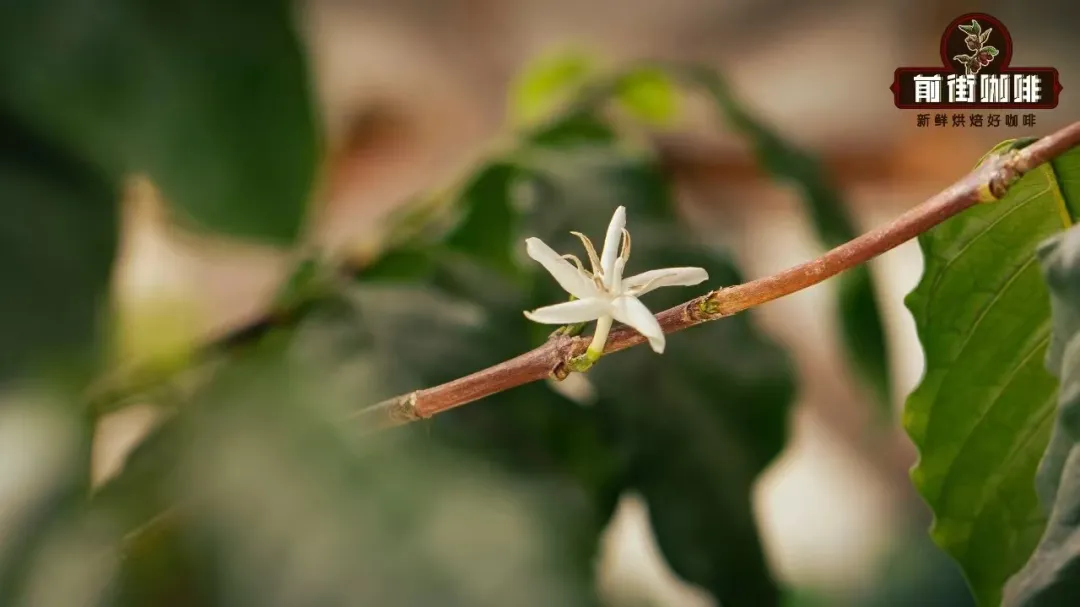
Gesha, famous throughout the world, is precisely a coffee variety that contains a large amount of terpenoids. In terms of producing regions, Boquete, Yirgacheffe, and others are coffee-producing regions renowned for coffee beans with floral aromas. So we can understand why Qianjie often mentions the saying, "Oranges grown south of the Huai River are oranges; grown north of the Huai River, they are trifoliate oranges." If beans that themselves carry floral aroma are planted in a region capable of nurturing floral flavors, then it truly is the icing on the cake.
To taste a clear floral aroma, you can first choose Panama's Qianjie Boquete Gesha, Qianjie Emerald Red Label Gesha, and Qianjie Emerald Green Label Gesha.

If you want both floral aroma and rich fruity sweetness, choose Costa Rican coffee beans known for honey processing, especially the coffee lovers' favorites Qianjie Strawberry Candy, Qianjie Blackberry, and Qianjie Mozart.

Once the floral substances have formed, processing and roasting are both about adjusting the proportion of floral aroma in the coffee's flavor expression. Processing goes without saying: the fermentation process caused by microorganisms can change the original substances within the beans. And the degree of roast can manipulate the formation and dissipation of floral flavors. So the same coffee bean, under different processing/different roasting, will give us different perceived intensities of floral aroma.
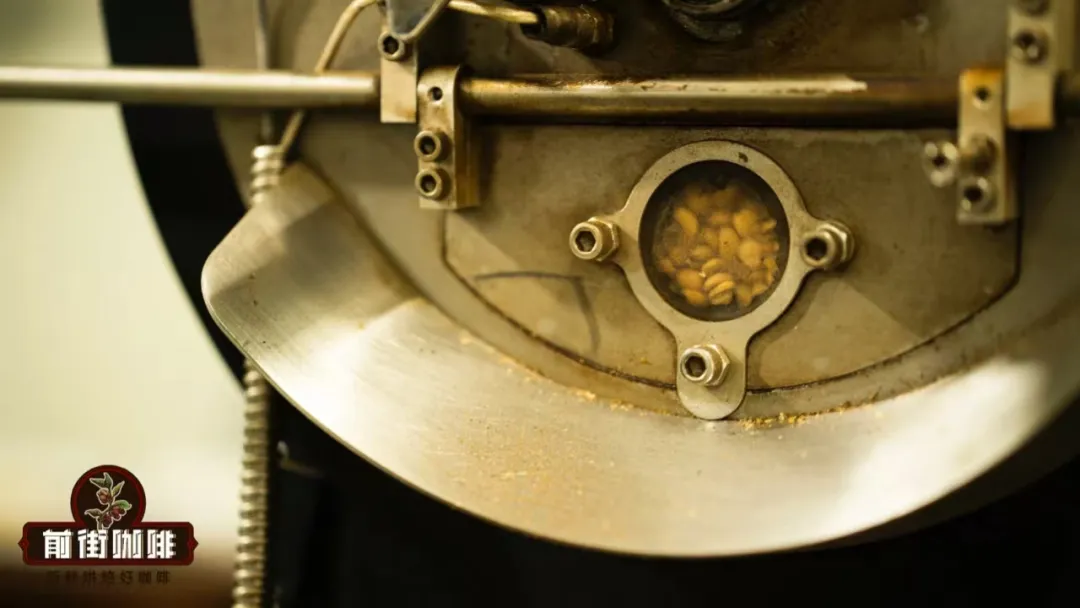
How do you brew out the floral aroma of coffee?
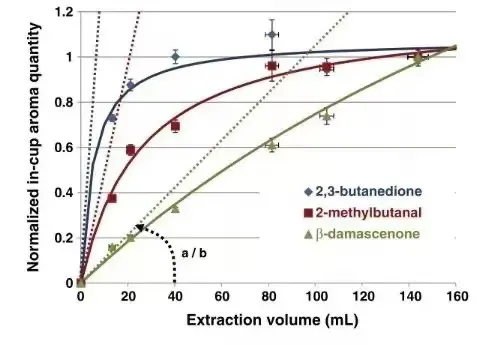
Once we have a coffee bean with floral attributes, the most important thing is to bring the floral aroma out through water. The flavor substances that form floral aroma are flavor molecules with large mass and low polarity. It may be hard for everyone to understand what Qianjie often refers to as small-molecule and large-molecule substances, so here is a simple analogy: granulated sugar and sugar cubes.
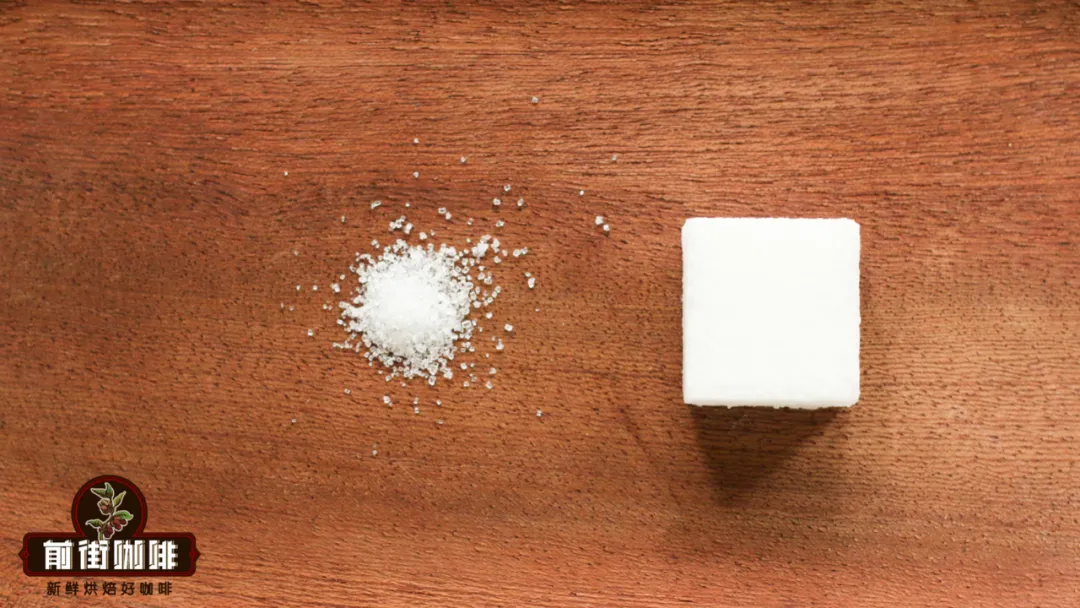
When we place them together in water, their complete dissolution rates are completely different. Then substitute small and large molecules, and it becomes easy to understand. Small-molecule substances are like granulated sugar: under the same conditions, they dissolve quickly; large-molecule substances are like rock sugar: they dissolve completely very slowly. So large-molecule substances can be understood as sugars that dissolve relatively slowly. If we want to fully dissolve them out, we need to extend the contact time between water and coffee grounds.
At the same time, we should note that compared with other flavors, floral aroma is harder to perceive. Without a tasting foundation, it is even more difficult to sense floral aroma. This is also why some rather expensive coffee beans that are delicious to us are unremarkable to passersby and no different from chain-store coffee: without a tasting foundation, one cannot distinguish the main differences between the two.
Of course, we can improve flavor perception by training our tasting ability, but at the moment of brewing, what we need to do is enable our present selves to feel this flavor characteristic of floral aroma. The method is simple: increase the concentration.
By increasing the concentration of coffee, we can make the floral flavor more concentrated. But likewise, increasing concentration also makes the taste more concentrated, which is not friendly to friends whose palates are not so heavy. So this is a double-edged sword; if your taste is not so heavy, just brew according to the original ratio. All right, without further ado, let's begin today's brewing sharing!
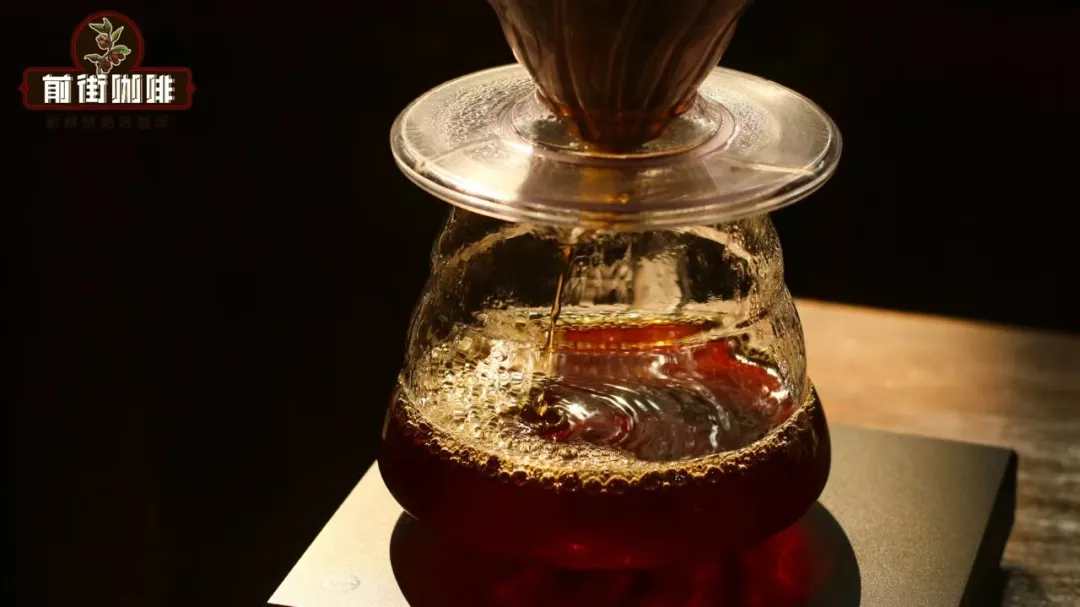
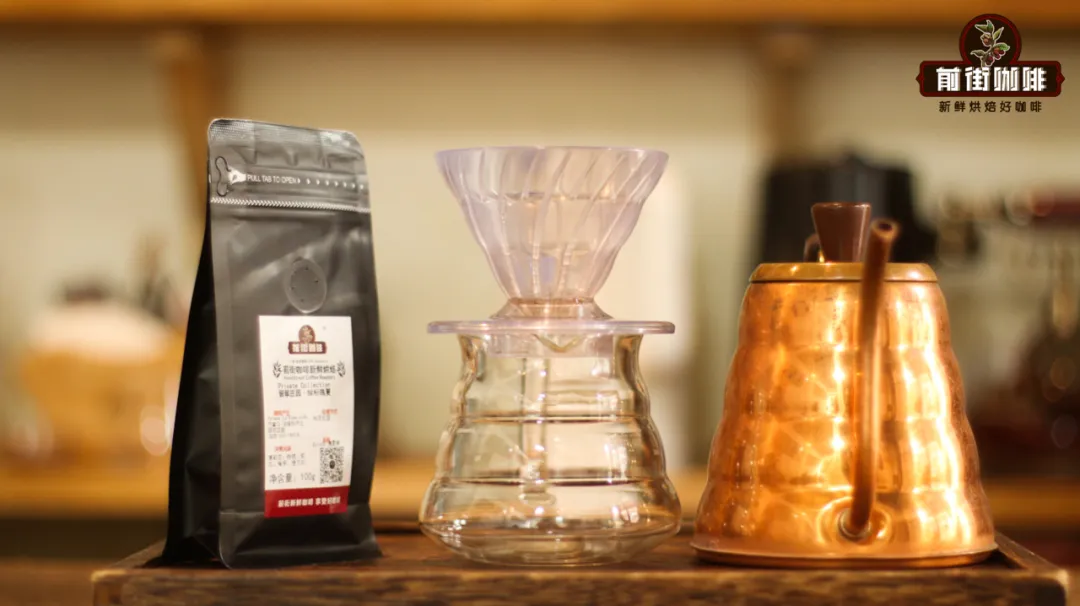
The coffee beans used this time are Emerald Estate Green Label Gesha grown in the Boquete producing region, with very rich floral expression, and it happens to be tomorrow's promotional product, so it is most suitable as the beans for this brewing. The extraction parameters are no different from the usual ones, except that the coffee-to-water ratio will be slightly higher, and the extraction time will be relatively longer. The parameters are as follows:
Dose: 16g, grind size at 10 on the Ek43, 80% passing through a No. 20 sieve, granulated-sugar grind, coffee-to-water ratio 1:14, water temperature 92°C, dripper V60.
First, we will use 30ml of hot water for blooming, for 30 seconds.
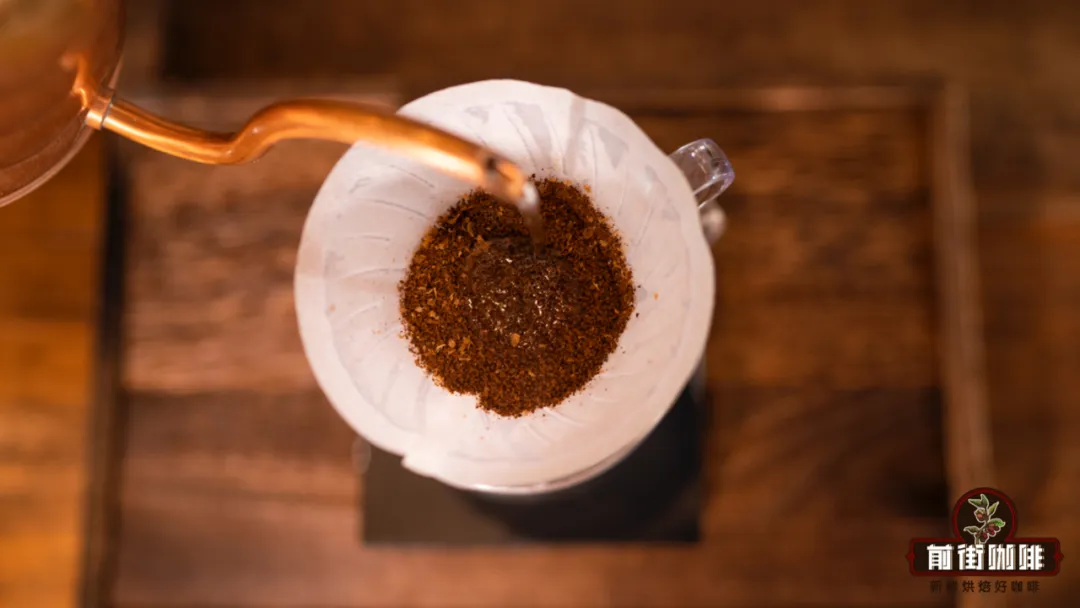
After the blooming ends, the remaining water amount is 194ml. For the second pour we will use 100ml of hot water, poured in a small stream in large circles.
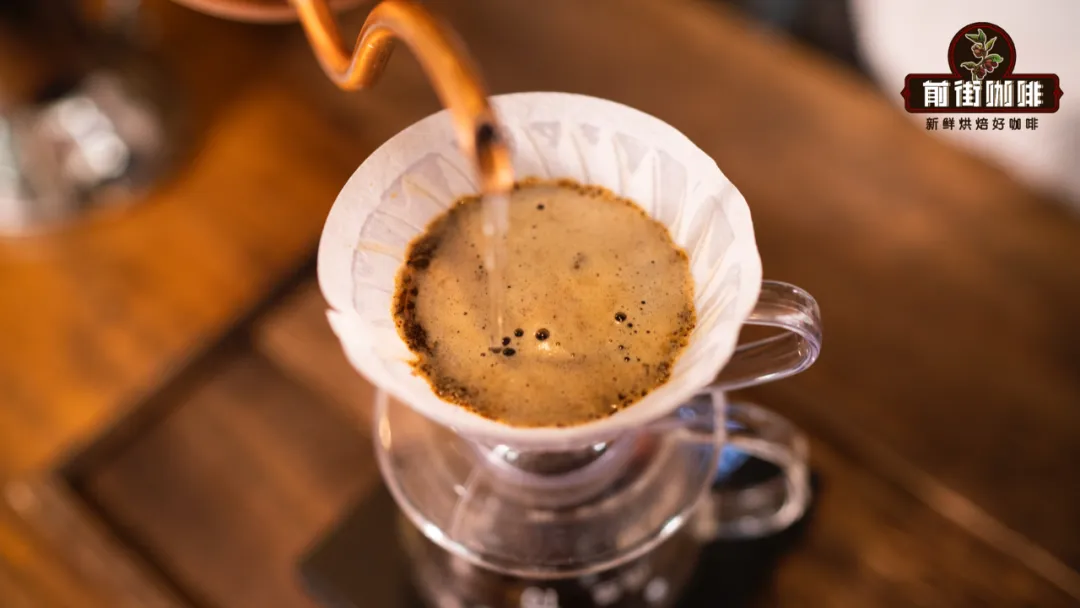
Once the coffee liquid has drained through to the bottom, we can begin the third pour. The amount of water poured in this stage is 50ml, in a small stream in small circles, concentrating the extraction on the central coffee bed.
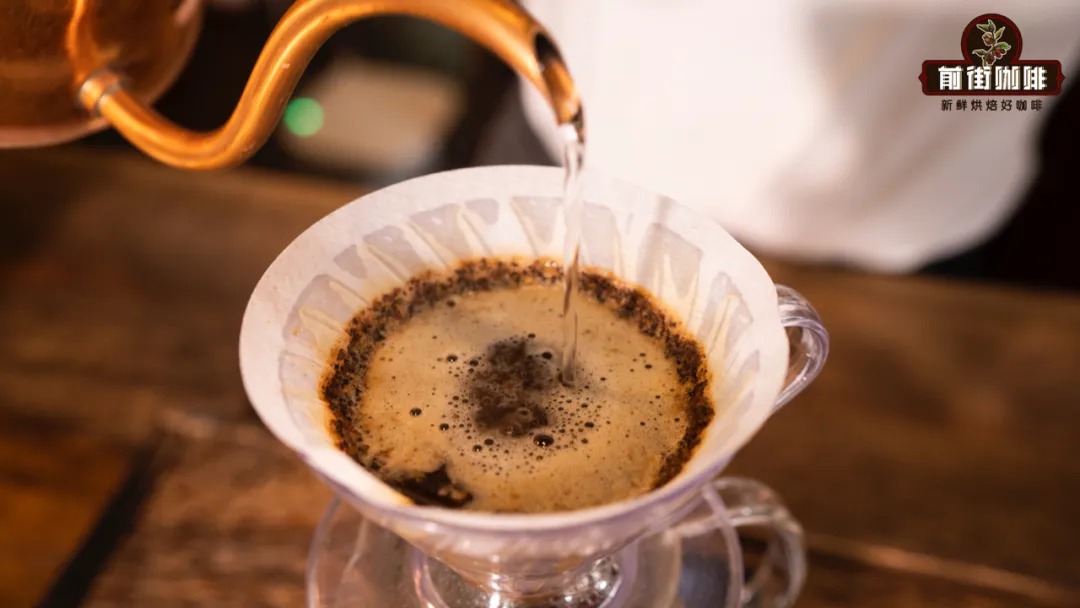
As the coffee drains to the bottom, we then pour in the remaining 45ml of hot water in a single spot. We do not stir in this pour because we have already extended the extraction time; without excessive stirring, the flavor substances in the coffee can still fully dissolve. Next we just need to wait for the coffee liquid to finish releasing, and we can end the extraction!
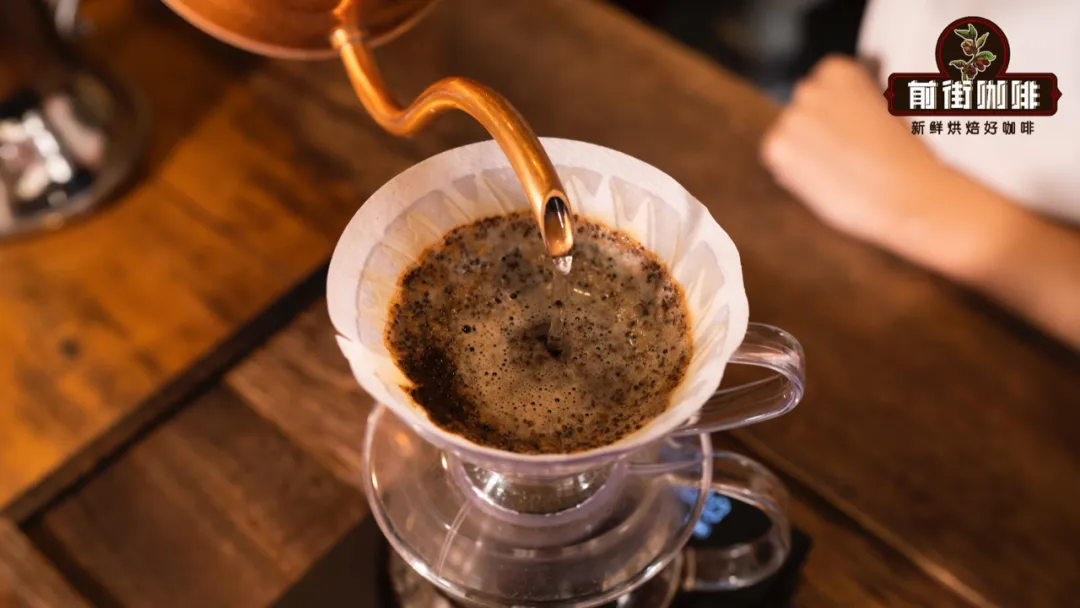
Total time: 2 minutes 11 seconds! Swirl it to evenly blend the coffee liquids of different concentrations in the server. At this point we can already sense an elegant white floral aroma from the fragrance released while swirling. Then pour it into a cup and experience it.
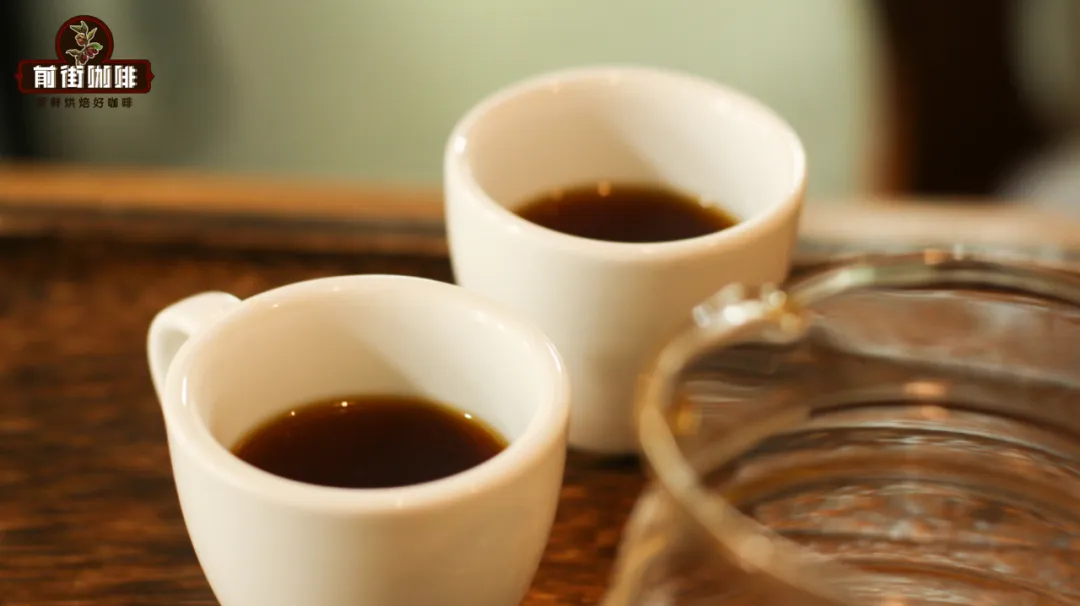
Jasmine floral aroma, citrus, and green tea are the most direct flavor expressions this cup of Gesha gives Qianjie on the first sip. As the coffee is fully swallowed, we can then feel the high sweetness in the aftertaste of honeydew and orange peel. Clean, with a long finish, very pleasant.

Light Roast Pour-Over Floral Coffee Beans Recommendation: Qianjie Yirgacheffe Gedeo Dingding, Qianjie Panama Hacienda La Esmeralda Green Label Geisha Coffee Beans, QianjiePanama Butterfly Coffee Beans
Daily medium-light roast Yirgacheffe pour-over floral coffee bean recommendation, Qianjie Yirgacheffe Guddina, light roast brings the signature white floral notesAromatic, with lemon-citrus fruit notes and a refreshing floral tea note; bright and crisp on the palate. Great value and an ideal entry-level pour-over coffee with floral and fruity notesAn unrivalled choice.
Moka pot, home espresso, and espresso-based milk drinks like latte — recommended beans: Qianjie Classic Espresso Blend, using BrazilianWest, with Mandheling Arabica and a small amount of Vietnamese Robusta fully blended, delivering a rich and outstanding espressocrema; overall style is rich and memorable. Qianjie Brazil Queen's Estate coffee beans and Qianjie Classic Espresso Blend coffee beans are both mochaA highly recommended option for pot-style espresso machines.
Fruity-floral signature espresso latte bean recommendation: Qianjie Strawberry Candy espresso blend, featuring strawberry gummy and rose aromas,Full-bodied sweetness with a grape and almond finish; especially stunning as an iced latte. Made from Costa Rican honey-process beans, PanamaBlended from Panama Geisha coffee beans and select beans from Colombia's Huila region. Not only does it overturn traditional espresso flavor, the cremaalso performs well, with impressive showings in creative specialty drinks.
Now available on Taobao store「 Qianjie Coffee 」To purchase the above coffee beans, Qianjie Coffee offers dozens of selected single-origin pour-over and espresso coffee beans from around the world. Qianjie CoffeeQianjie Coffee is a veteran specialty coffee roaster; beans are freshly roasted within 5 days, with consistent quality and highly competitive pricesGreat value, ships within 24 hours. Qianjie Coffee is recommended by many coffee lovers and platforms.
Taobao Qianjie Coffee Link: https://qianjiecoffee.taobao.com
Or search our shop directly on Taobao 「Qianjie Coffee」
Qianjie Coffee Store Address: 315 Donghuadong Road, Yuexiu District, Guangzhou

Site Recommendations: 耶加雪菲 花魁咖啡 瑰夏咖啡 波旁咖啡 蓝山咖啡 天堂鸟咖啡豆 曼特宁咖啡豆 PWN黄金曼特宁 星巴克菜单 咖啡豆种类
Please indicate the source when reprinting.
2026-08-10 16:35:00
