Brewing light-roasted Hualui with a moka pot, and the result is either weak and flavorless or so sour it stings the tongue—this is a problem repeatedly mentioned by many people in our backstage inquiries. Hualui originates from the Hambela region of Ethiopia and rose to fame after winning a competition, with its name meaning "chief of a hundred flowers." Its floral and fruity notes stand out under light roasting, but it is quite sensitive to the heat level and the coffee-to-water rhythm of a moka pot, so the extraction approach needs to be adjusted accordingly.

It can be said that nearly 70% of the moka pot questions received by Qianjie's backstage are about how to use a moka pot to extract light-roasted coffee beans. As the saying goes: radishes and cabbages, each has its lover! Not all friends like to make coffee with dark-roasted beans that are caramelized, aromatic, and full-bodied, so they often choose light-roasted beans with prominent flavors to make moka pot coffee. And Hualui, as a cost-effective representative among light-roasted beans, with a reasonable price and outstanding flavors, has naturally become the first choice for most friends.

But many friends found after trying that the extracted Hualui coffee was either tasteless or full of sharp acidity. It did not match the cup of "Hualui flavor" coffee in their minds. For this reason, these friends reached out to Qianjie and asked how to extract Hualui's Hualui flavor with a moka pot!
Therefore, today Qianjie will share how to use a moka pot to extract Hualui's "Hualui flavor," shall we? But before that... as usual, let's first introduce to new friends what Hualui is, and what "Hualui flavor" is.

What is Hualui?
Hualui is a bean produced in the Hambela region of Ethiopia. Qianjie believes many friends first became acquainted with Hualui at the 2017 coffee competition, where a contestant used Hualui to defeat many Geshas and achieved an excellent ranking. So this caused Hualui's reputation to surge in a short time and gained many "fans."
But did you know that before Hualui became "Hualui," this bean had actually also won the TOH competition held by the African Coffee Association in Ethiopia. It was precisely because of its championship that a Beijing green bean merchant decided to acquire it and name it Hualui. The idea was "chief of a hundred flowers, outshining the crowd."

Qianjie often says that Hualui also carries the implication of overpowering Gesha. Because Gesha was originally called "Geisha," which in translation carries the meaning of "geisha." A geisha is a profession in Japan, and Hualui is the outstanding one among that profession. Later, because Hualui achieved good results in various competitions, such an explanation became deeply rooted in people's minds.
At first, Hualui was only produced at the Buku abel processing station in Dimtu town, Hambela. But as Hualui's fame grew and market demand increased, DW Company began to expand production scale and brought the production areas around the Buku processing station into coffee bean production. These are Buku Saysay, Haro Soresa, Tirtiro Goye, and Seke Bokosa, all villages and processing stations located in Dimtu town, with the farthest being only about 4 kilometers from the Buku processing station.
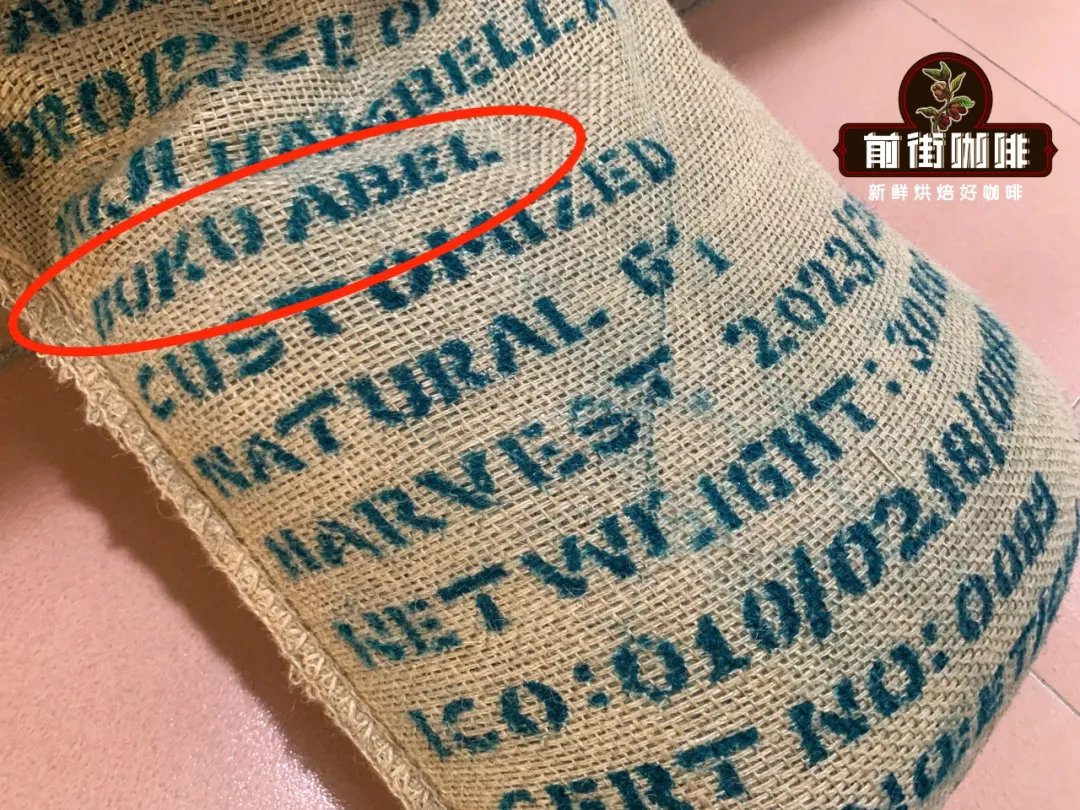
However, everyone probably knows that coffee is an agricultural product that depends on the weather. Therefore, every year's coffee will differ in final taste due to climate changes in the growing environment and differences in processing details. Hualui is the same! In 2018, people found that the Hualui produced that year tasted different from the Hualui that had shone brightly in major competitions the year before.
Thus, in order to distinguish it from the original Hualui, domestic green bean trading companies began to assign Hualui a limited annual batch number--X.0. Counting from 2017, each subsequent year's Hualui would add an X.0 suffix. For example, the Hualui produced in 2018 was the second batch, so it was Hualui 2.0; the Hualui produced in 2019 was the third batch, so it was Hualui 3.0, version 3.1...
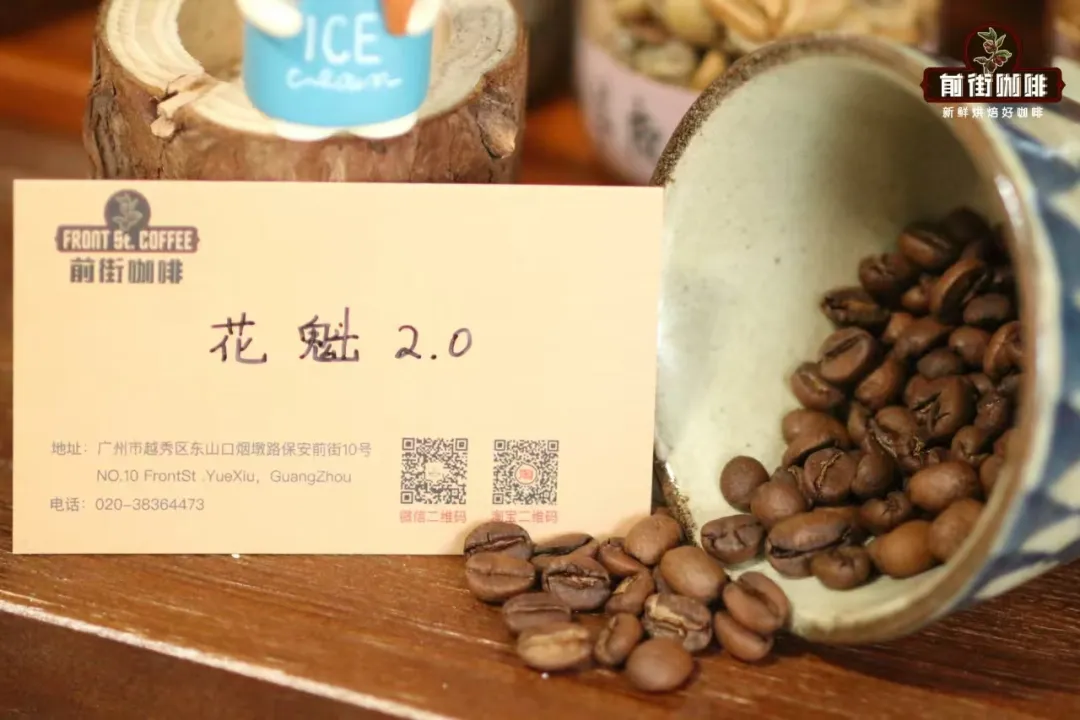
And this year's Hualui suffix is: 11. In this way, buyers can clearly know which year the Hualui batch they purchased comes from and whether it is coffee of the current season.
What is Hualui flavor?
Hualui is famous not only because of the reputation brought by competitions, but also because its flavor is very special and different from the traditional Sidamo region flavor. The traditional Sidamo flavor is characterized by ripe tropical fruits such as citrus, pineapple, and mango, while Hualui, on top of that, also has rich high-sweet notes such as cream and strawberry. When we combine these flavors, that is the so-called "Hualui flavor."

How to extract Hualui's "Hualui flavor" with a moka pot?
Back to the point: the reason many friends cannot extract Hualui's "Hualui flavor" is that they overlooked one key point! That is, Hualui is a light-roasted coffee bean, but they used the same grind and dose as for dark-roasted beans.
Compared with dark-roasted beans, light-roasted beans do not expand as much and are not as brittle. So under the same grind and same dose, the puck resistance formed by light-roasted coffee grounds is not as great as that of dark roast, because there are more gaps and water permeates faster. Therefore, the final extracted coffee, due to insufficient contact time between coffee and water, is basically all sharp acidity from underextraction. (If the moka pot liquid comes out in a direct "spraying" state, then this is definitely the situation!)
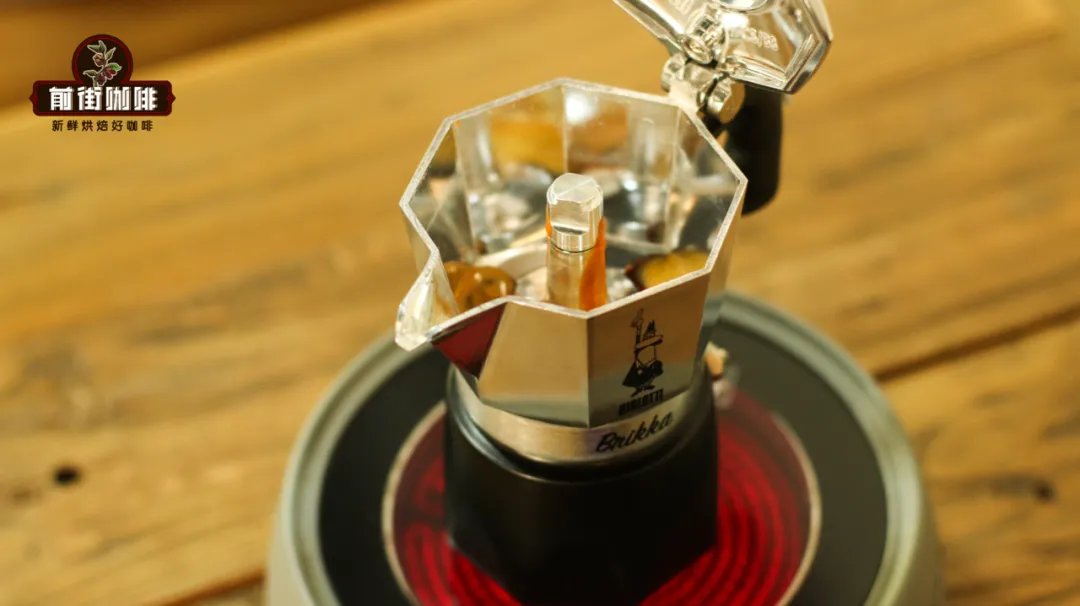
So for situations like this, according to different needs, we can have different solutions (for detailed moka pot operation, please refer to this side; Qianjie will not elaborate too much here).
The first is to grind finer or increase the dose! If you use a grinder to freshly grind coffee, then grinding finer is naturally the best choice! Move the setting 2 steps finer, then extract with the same dose, and the puck will become tighter due to the smaller coffee particle size, resistance will naturally increase, and the contact time between coffee and water will therefore be extended. If you bought pre-ground coffee, you need to increase the dose to raise the puck's resistance, because the grind cannot be made finer, so we can only increase resistance by piling up more coffee.
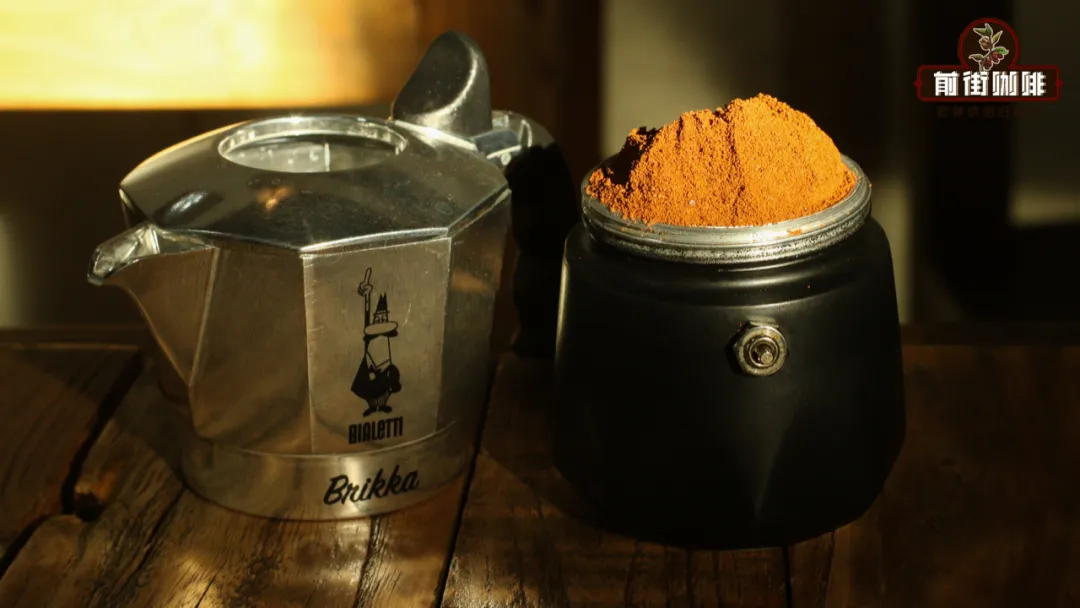
Another method is to control the heat: when the moka pot starts to output liquid, turn the heat source down, and when half of the coffee liquid has seeped into the cup, remove the moka pot from the heat source to reduce the rate of steam generation, so that the contact time between water and coffee grounds can be appropriately extended. Of course, the previous two factors are prerequisites that need to be met.
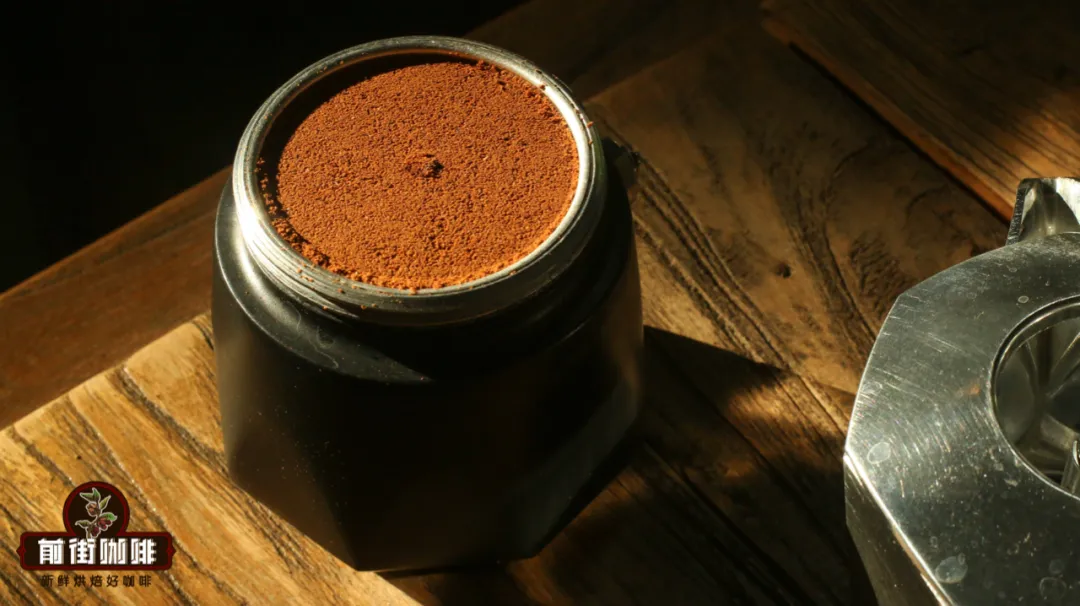
Once we have made the adjustments, the hot water can exert its maximum ability for extraction. Then the fully extracted Hualui coffee naturally will not have sharp acidity, and the "Hualui flavor" of strawberry, cream, citrus, and so on can be expressed!

Light Roast Pour-Over Floral Coffee Beans Recommendation: Qianjie Yirgacheffe Gedeo Dingding, Qianjie Panama Hacienda La Esmeralda Green Label Geisha Coffee Beans, QianjiePanama Butterfly Coffee Beans
Daily medium-light roast Yirgacheffe pour-over floral coffee bean recommendation, Qianjie Yirgacheffe Guddina, light roast brings the signature white floral notesAromatic, with lemon-citrus fruit notes and a refreshing floral tea note; bright and crisp on the palate. Great value and an ideal entry-level pour-over coffee with floral and fruity notesAn unrivalled choice.
Moka pot, home espresso, and espresso-based milk drinks like latte — recommended beans: Qianjie Classic Espresso Blend, using BrazilianWest, with Mandheling Arabica and a small amount of Vietnamese Robusta fully blended, delivering a rich and outstanding espressocrema; overall style is rich and memorable. Qianjie Brazil Queen's Estate coffee beans and Qianjie Classic Espresso Blend coffee beans are both mochaA highly recommended option for pot-style espresso machines.
Fruity-floral signature espresso latte bean recommendation: Qianjie Strawberry Candy espresso blend, featuring strawberry gummy and rose aromas,Full-bodied sweetness with a grape and almond finish; especially stunning as an iced latte. Made from Costa Rican honey-process beans, PanamaBlended from Panama Geisha coffee beans and select beans from Colombia's Huila region. Not only does it overturn traditional espresso flavor, the cremaalso performs well, with impressive showings in creative specialty drinks.
Now available on Taobao store「 Qianjie Coffee 」To purchase the above coffee beans, Qianjie Coffee offers dozens of selected single-origin pour-over and espresso coffee beans from around the world. Qianjie CoffeeQianjie Coffee is a veteran specialty coffee roaster; beans are freshly roasted within 5 days, with consistent quality and highly competitive pricesGreat value, ships within 24 hours. Qianjie Coffee is recommended by many coffee lovers and platforms.
Taobao Qianjie Coffee Link: https://qianjiecoffee.taobao.com
Or search our shop directly on Taobao 「Qianjie Coffee」
Qianjie Coffee Store Address: 315 Donghuadong Road, Yuexiu District, Guangzhou

Site Recommendations: 耶加雪菲 花魁咖啡 瑰夏咖啡 波旁咖啡 蓝山咖啡 天堂鸟咖啡豆 曼特宁咖啡豆 PWN黄金曼特宁 星巴克菜单 咖啡豆种类
Please indicate the source when reprinting.
2026-08-09 10:51:02
